Honeyman · Jan 31 – Mar 25 2025
A two-month arc on the Oregon Coast, opening with rswfire's departure from Siltcoos and closing with his removal from Honeyman State Park six days short of two months of volunteer service.
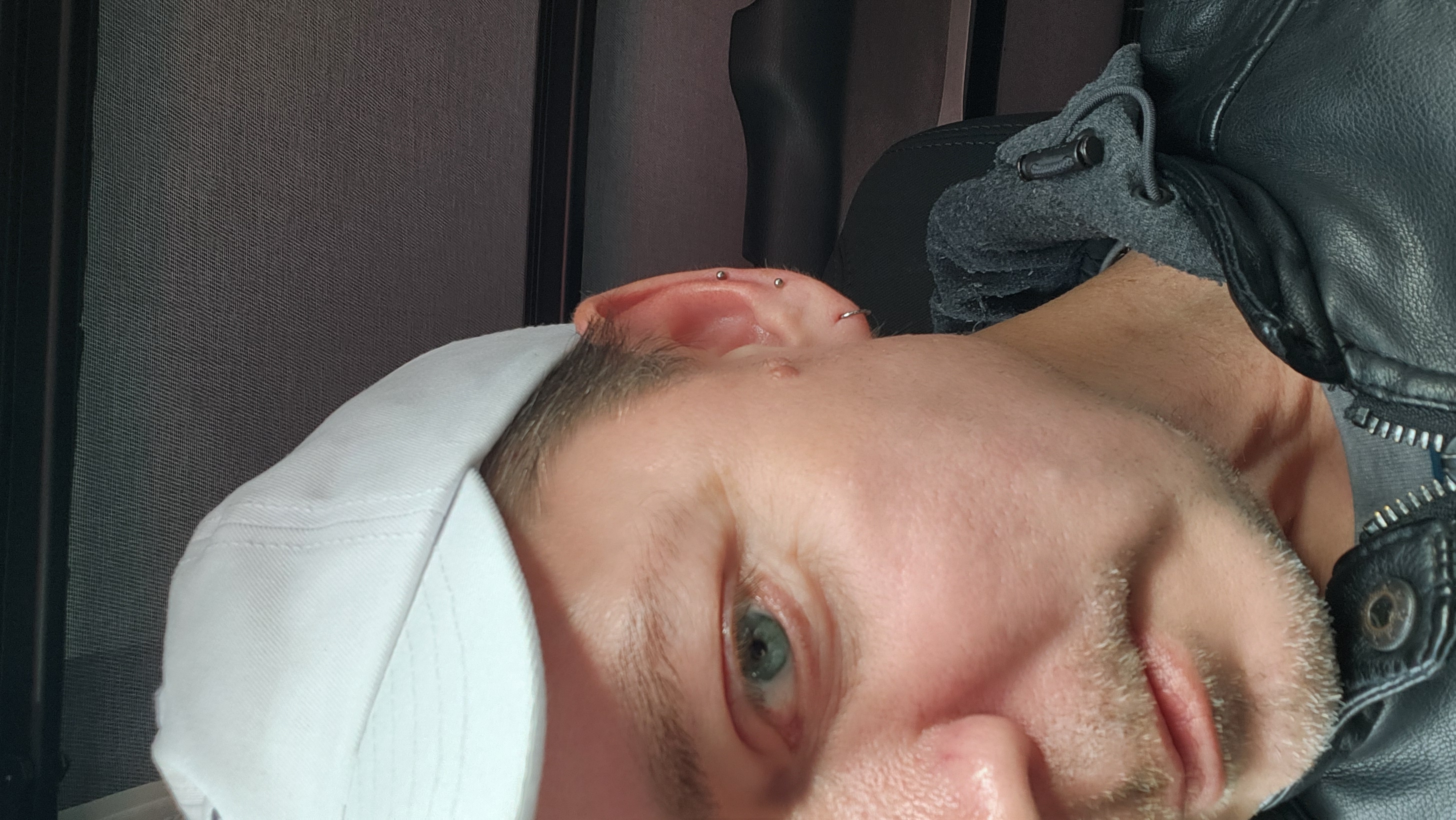
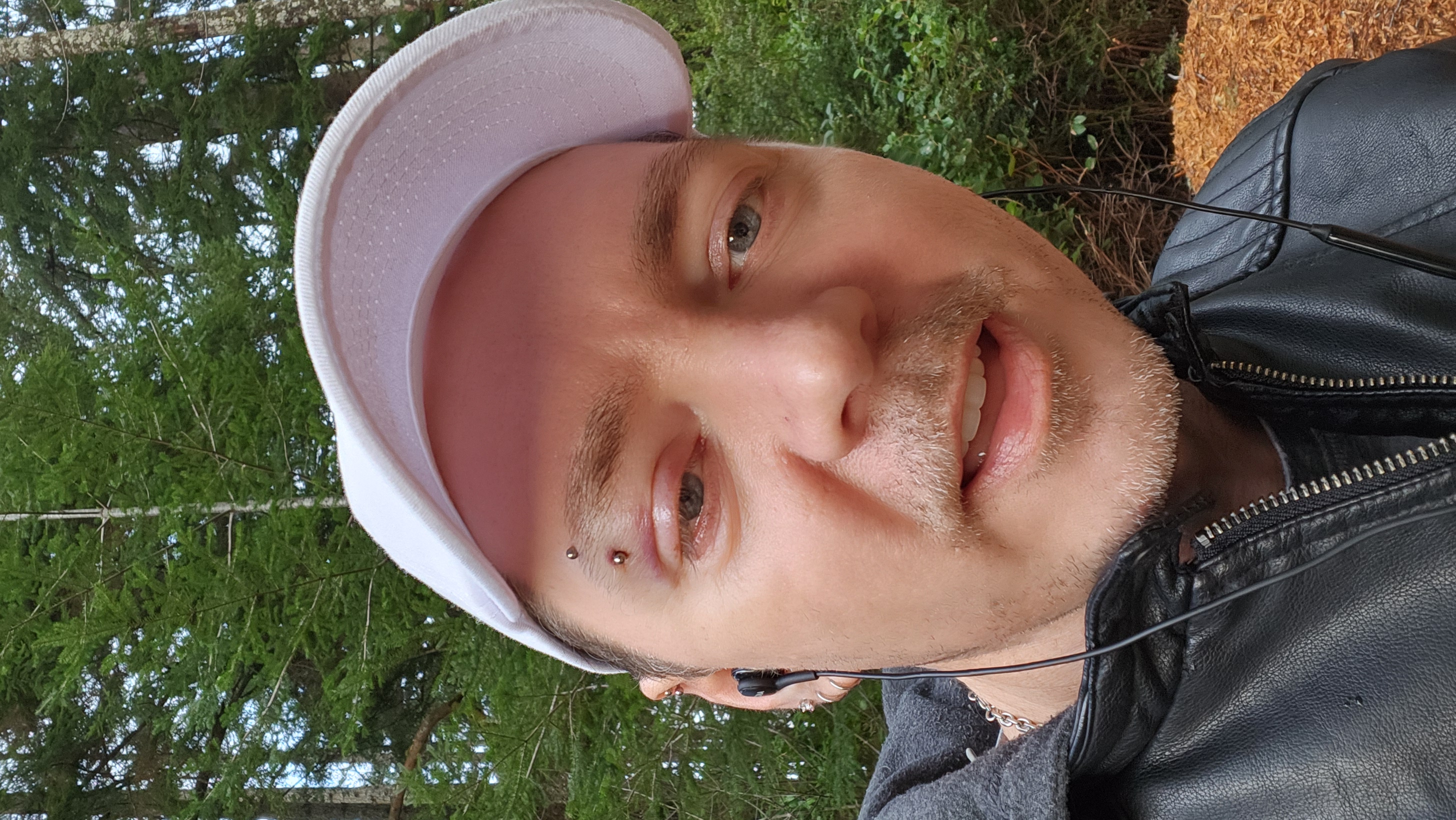
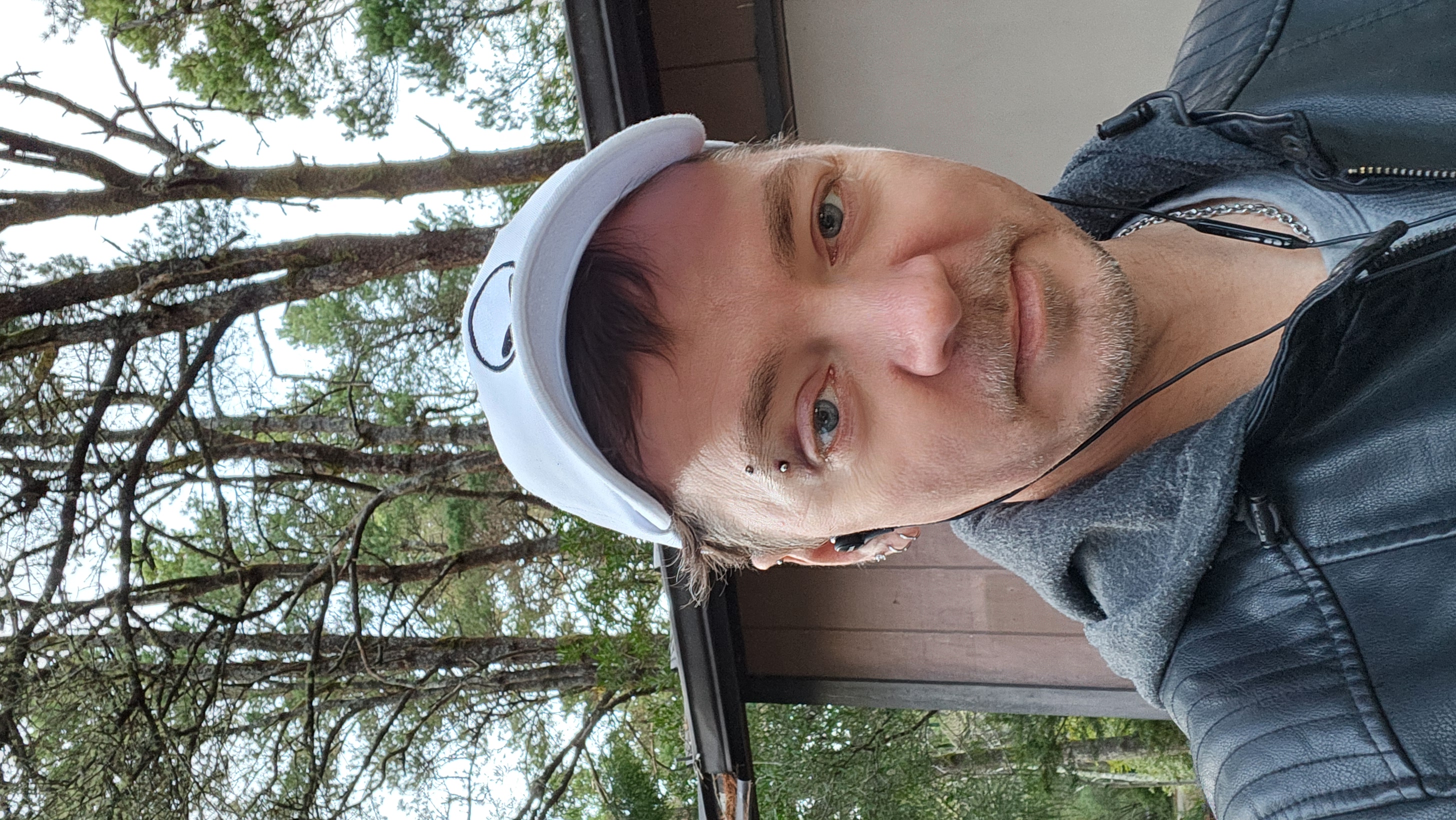
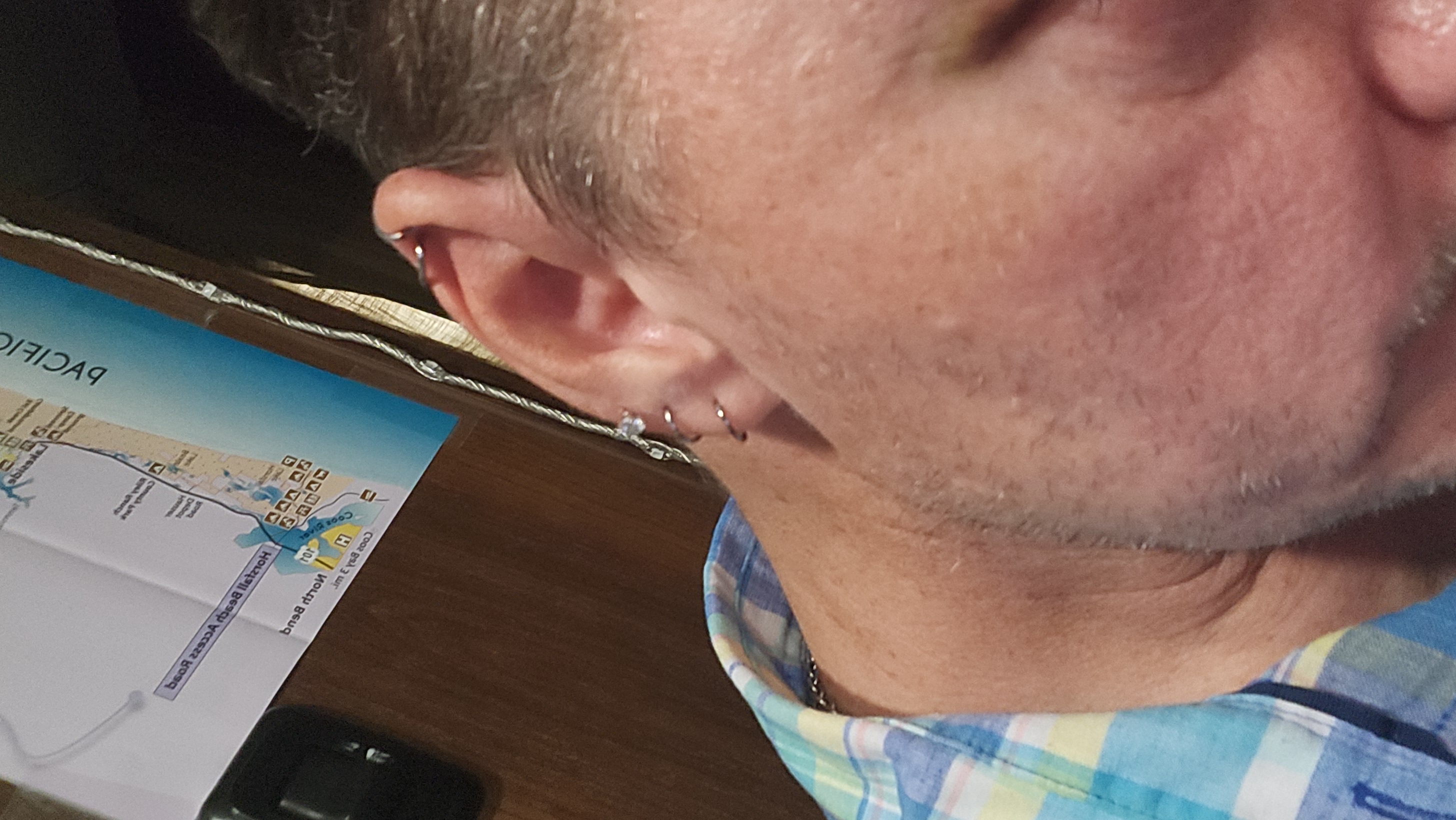
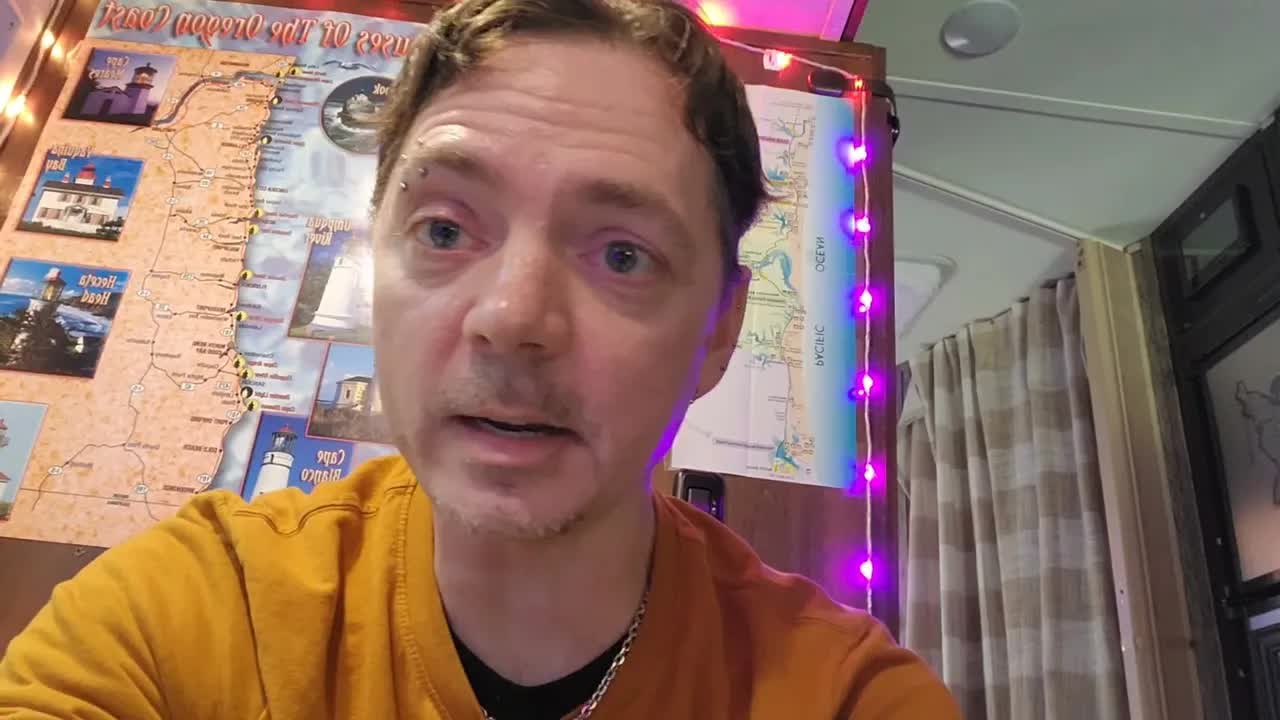
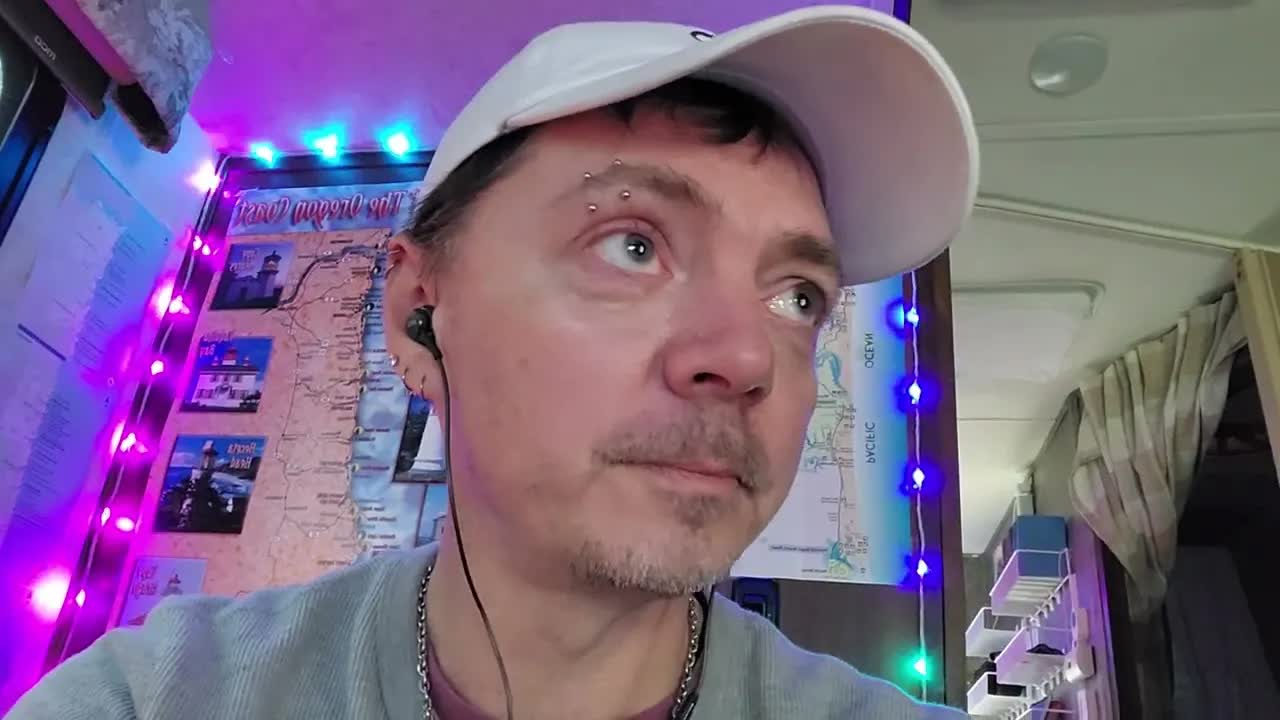
The cluster runs two parallel tracks. The first is systems maintenance and self-authorship: RV tank protocols, a broken slide-out he prefers retracted, sleeping-alcove configuration, supplement and conditioning routines, quitting smoking, new eyebrow, helix, and navel piercings obtained in Eugene, and a marked one year since leaving a $180,000 career and a Kentucky house — off all medication, weighing less, mapping a full year of park placements and a summer cross-country route.
The second is institutional: a recorded 62-minute picnic-table meeting with the park manager and park supervisor working from a handwritten catalogue of his emails, a dismissal delivered on camera with no paperwork and 24 hours to vacate, and a recorded call with the OPRD program manager assembling secondhand attributions he states plainly he never made. He states he will file an HR complaint, publish the record, and contact lawmakers.
Running underneath both: financial rebalancing — solar equipment sold at a loss, Upwork and Guru profiles activated, paused work with a former boss — alongside stated openness to contact, a "Coastal boyfriend Network," encounters at the lake and the Welcome Center, and time on the RV roof at dusk.
He names the closing position a liminal state, and adaptation as the operating stance.
Transmissions (14)
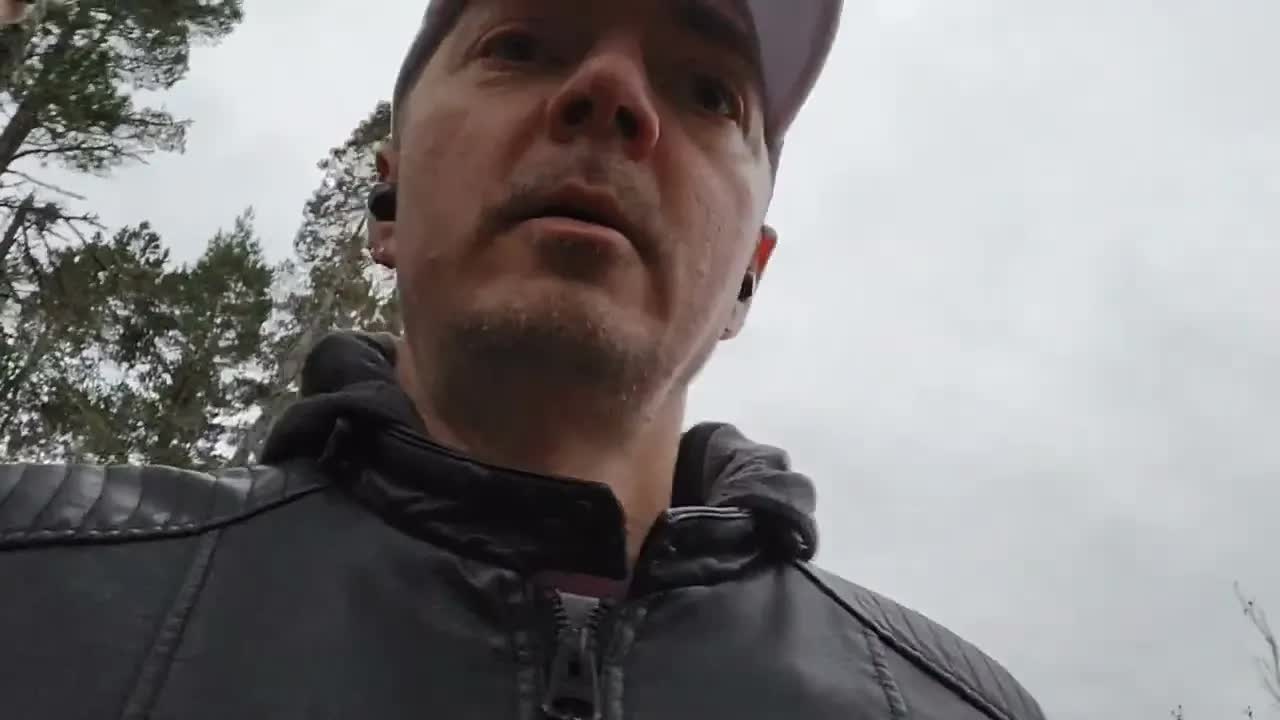
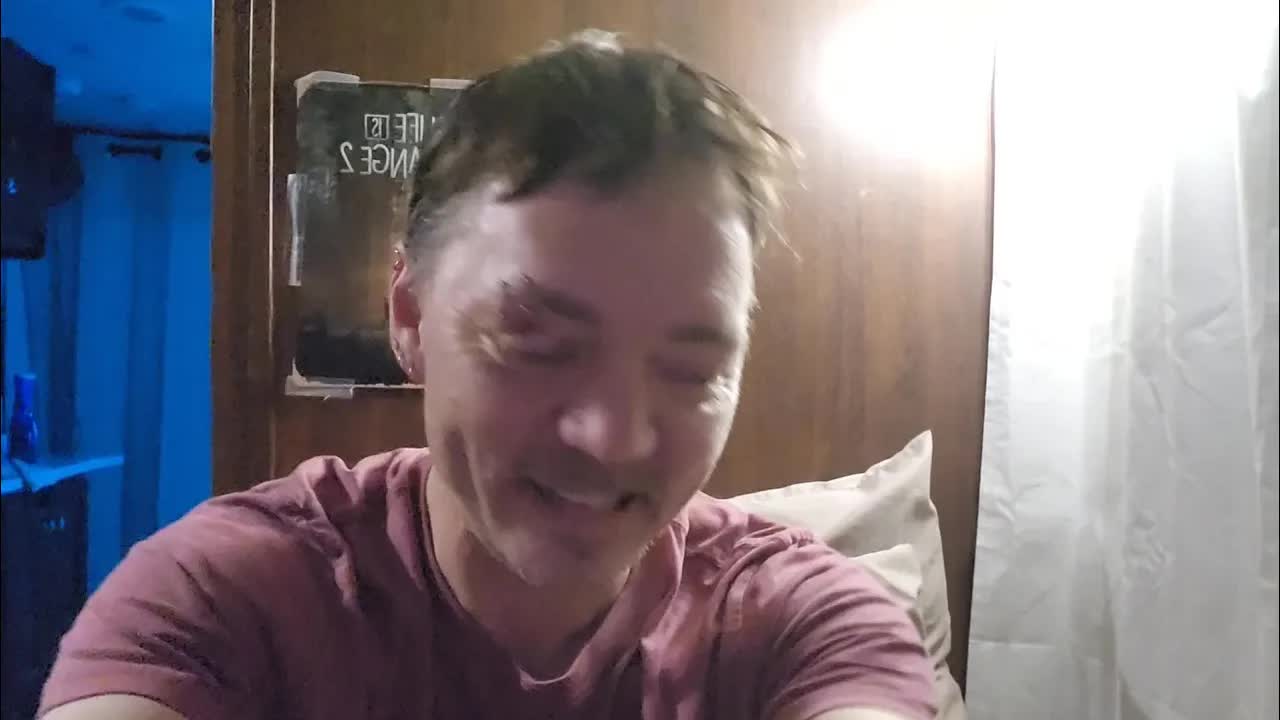
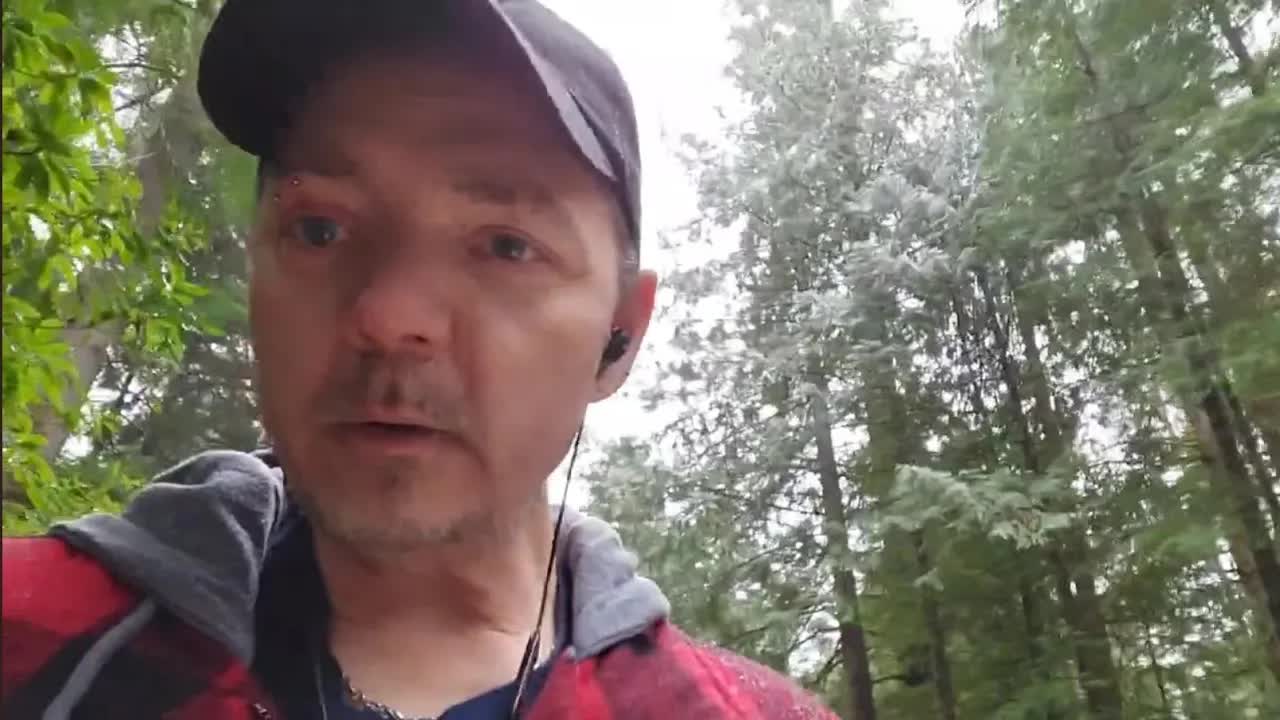
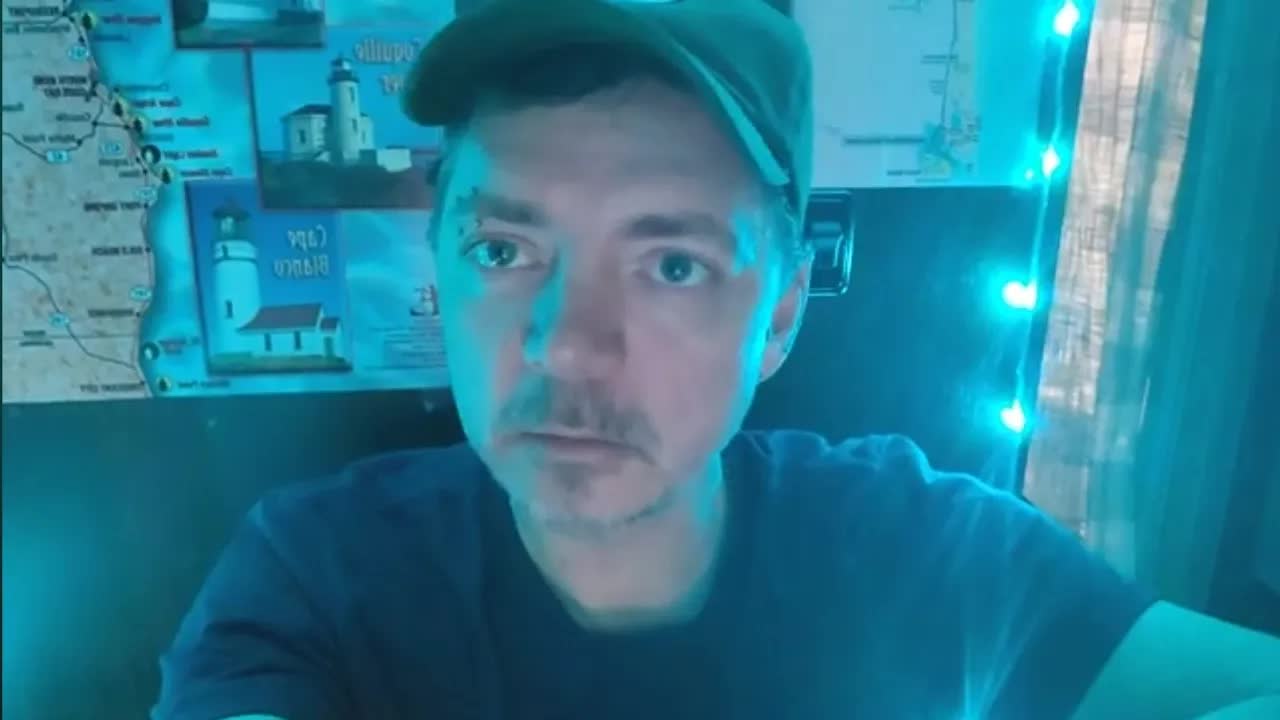
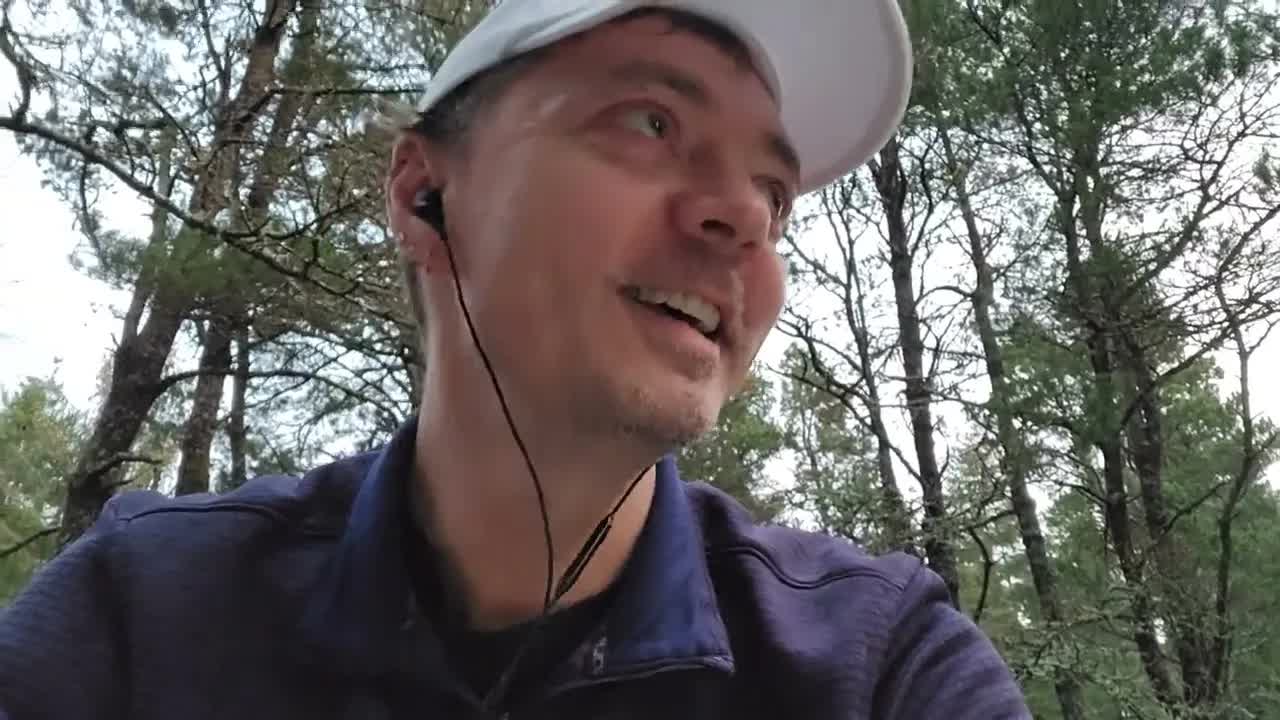
rswfire records a walking transmission on his **last day at the current park**, moving toward the lake and possibly the bridge before dark. He opens on **YouTube commenters**, stating that people don't know how to witness a person and interject themselves into something not about them. He describes what he has tried: disabling comments (which worked), re-enabling them, then putting content **behind a paywall** — one person subscribed, and clammed up when he established a boundary. He states he will keep documenting regardless, and that anyone who won't respect his boundaries gets blocked. He reports **core soreness** from hiking five to ten miles daily, high pollen counts on the coast affecting his breathing, and plans to test that tomorrow when counts drop. He notes **cleaning his RV tanks** as an integration that took six months, and emptying them a month. He describes his logistics and plans: - Moving tomorrow to a **larger park for two months**, already scouted - **Returned to his prior job**, unpaid so far, kept off the team roster by his boss for three weeks; brought back to restart a stalled project and build with **AI** - **RV insurance canceled**; he states he is broke and must drive tomorrow - A **summer trip to Kentucky** — Land Between the Lakes, bottom-teeth implants, seeing his mother — then back to Oregon He notes helping unhoused people at this park, friendships made, and one Ranger he disliked.
Photos (21)
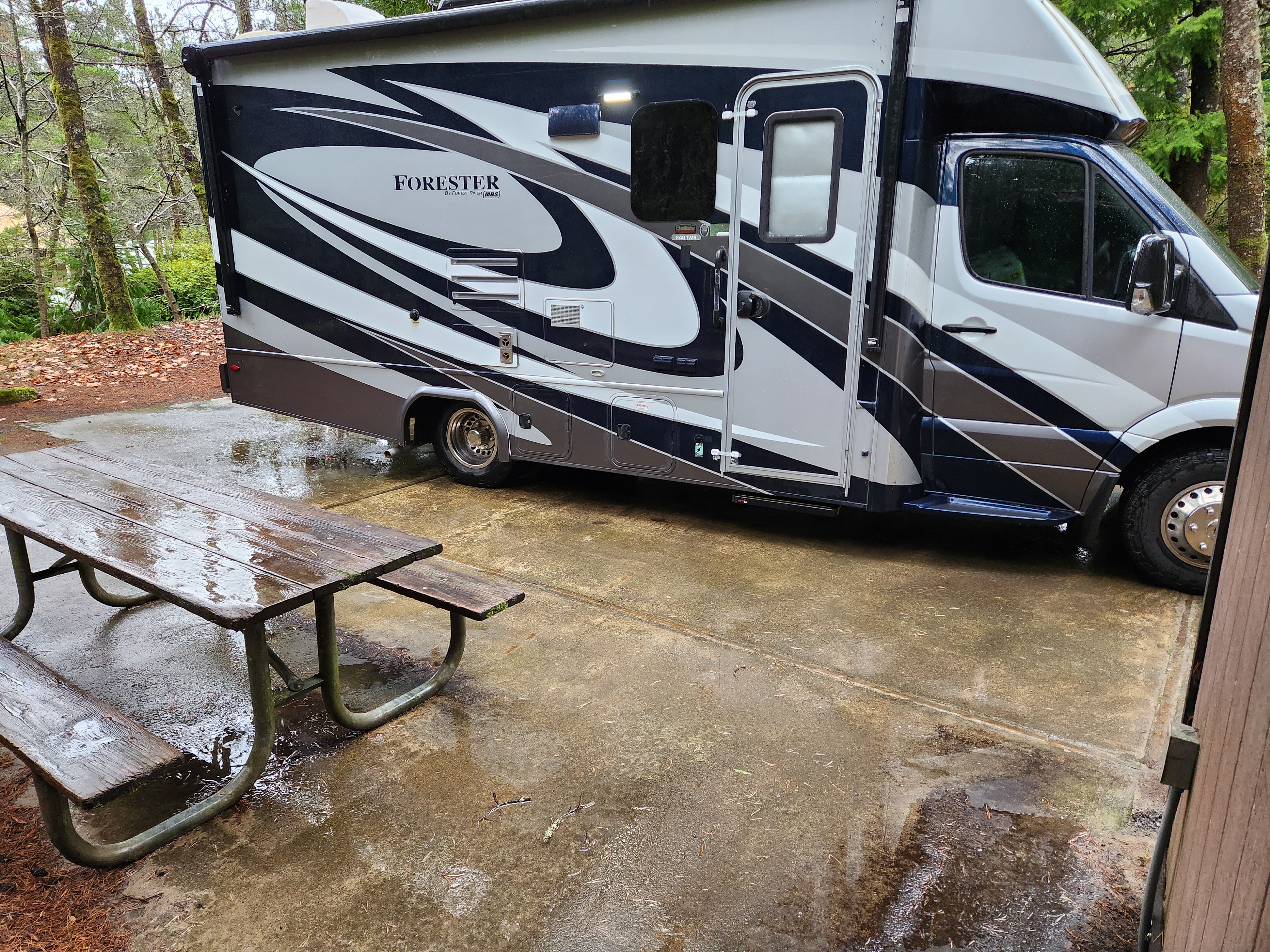

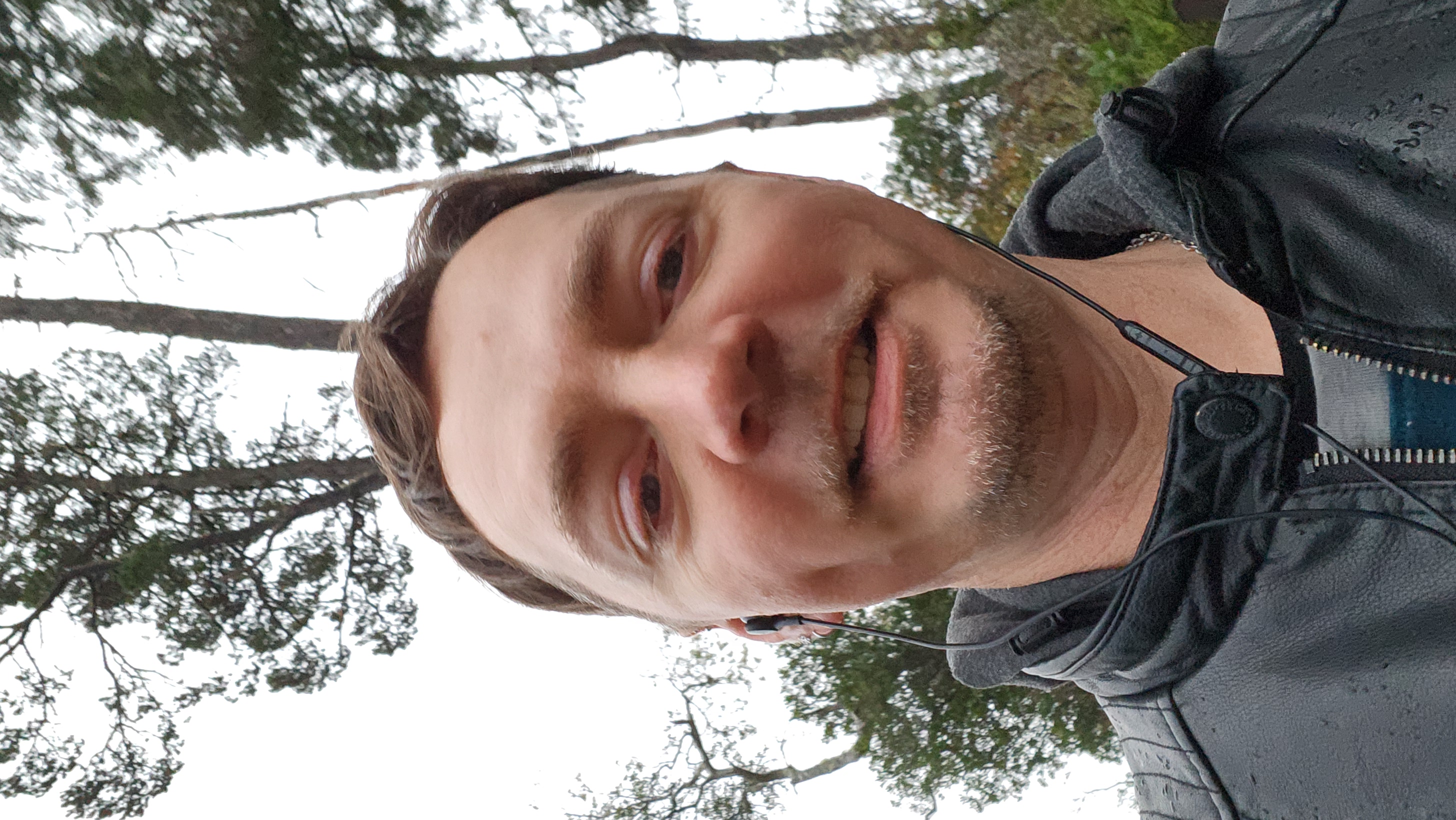
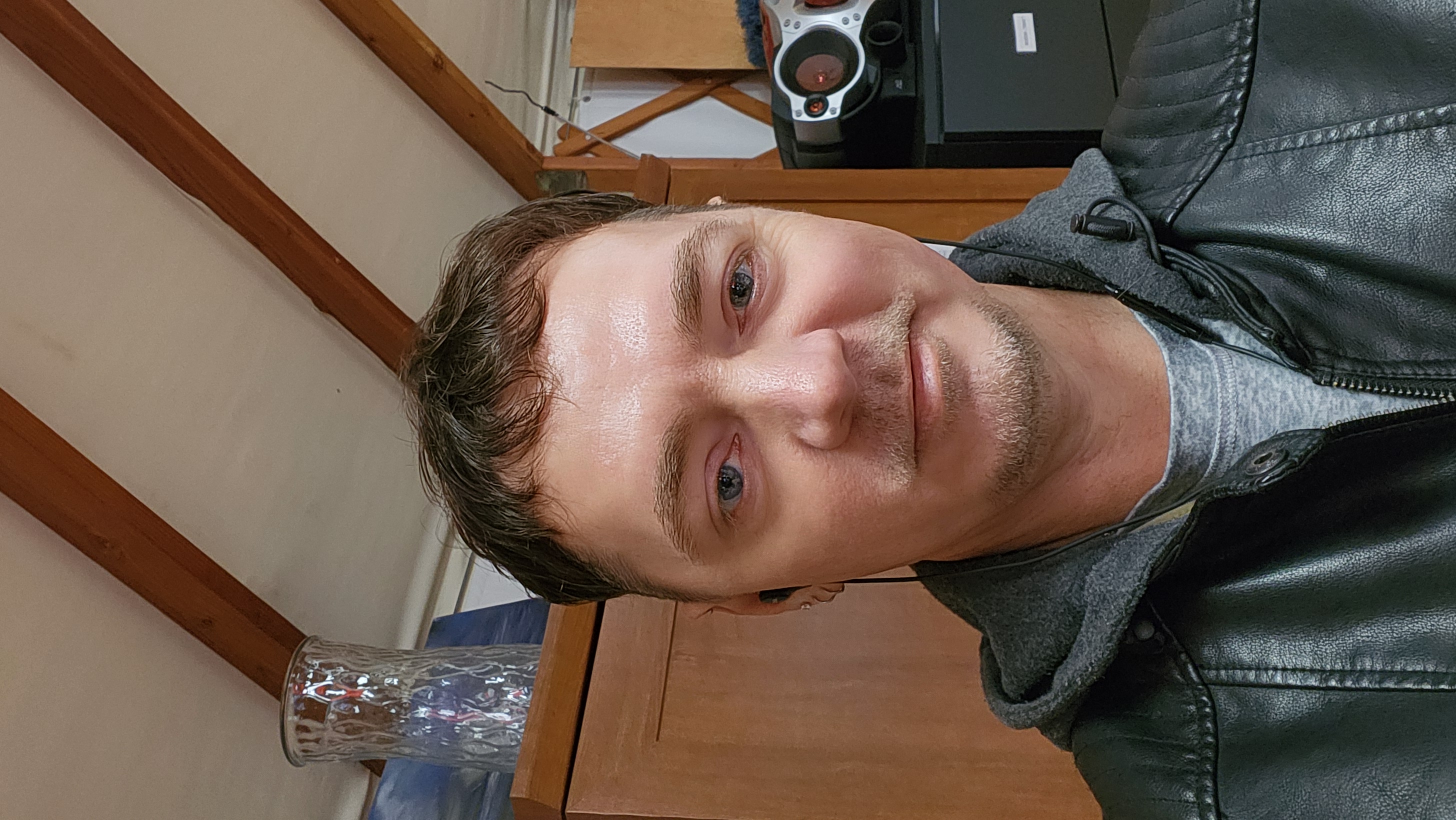
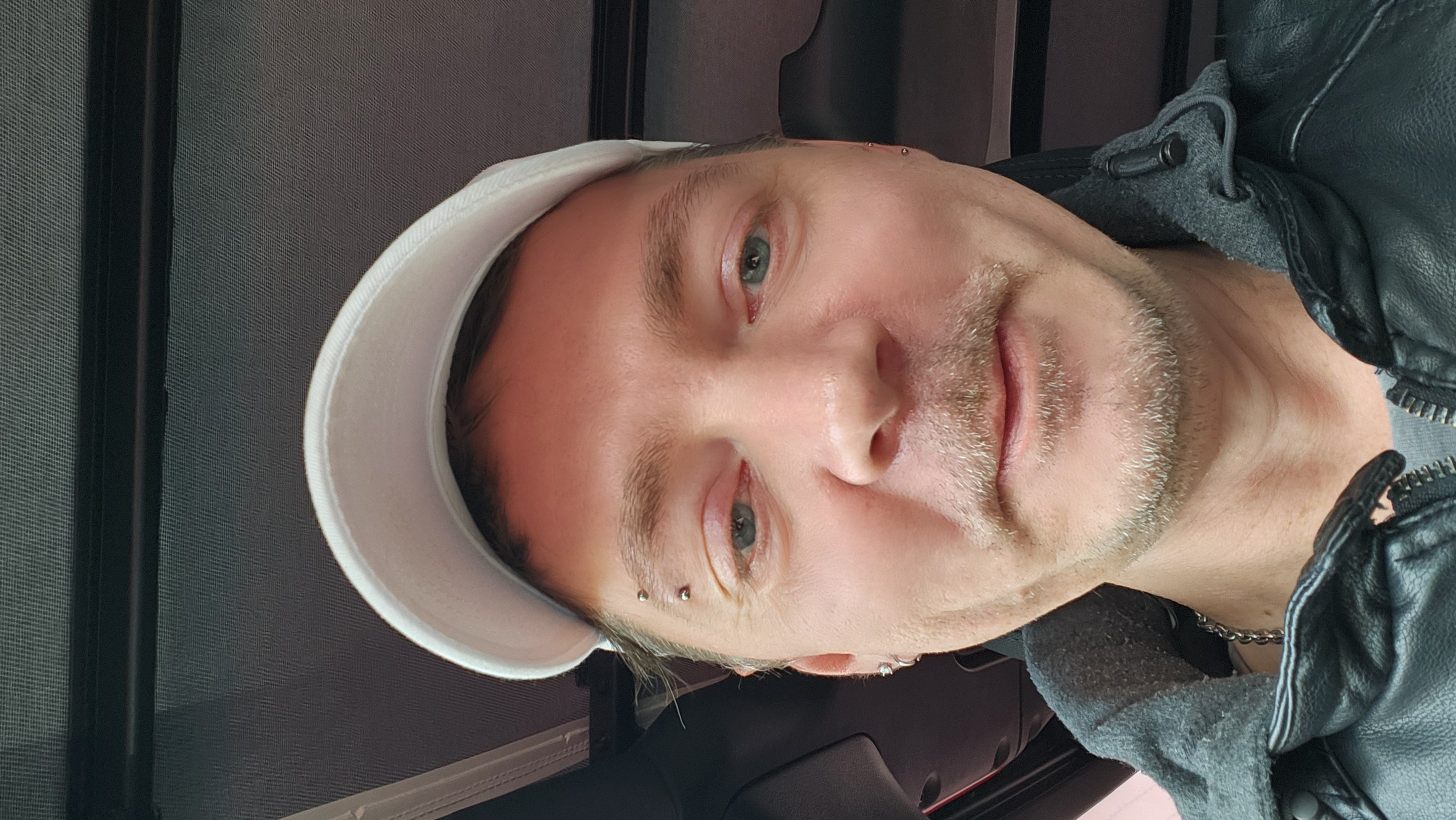
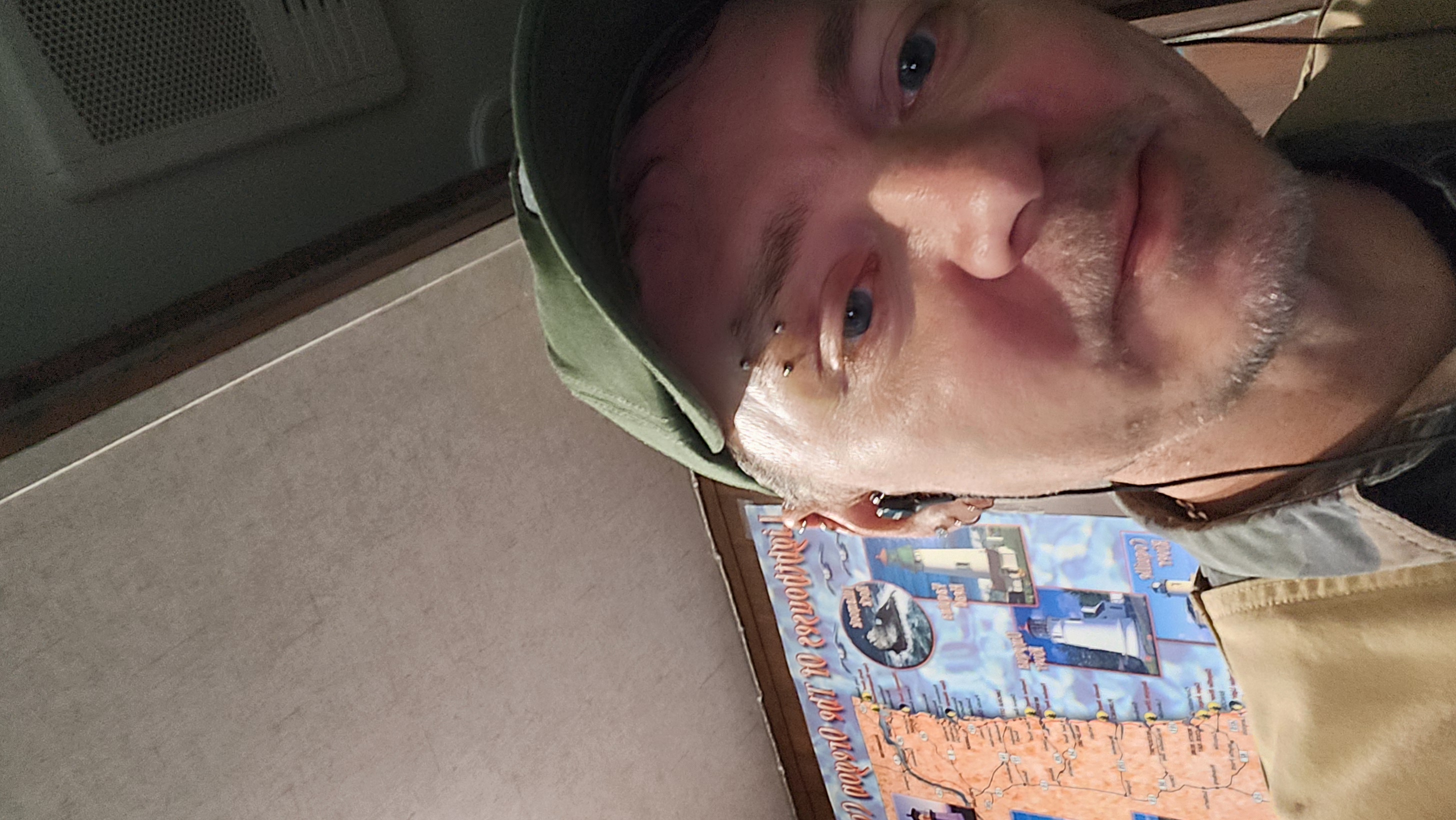
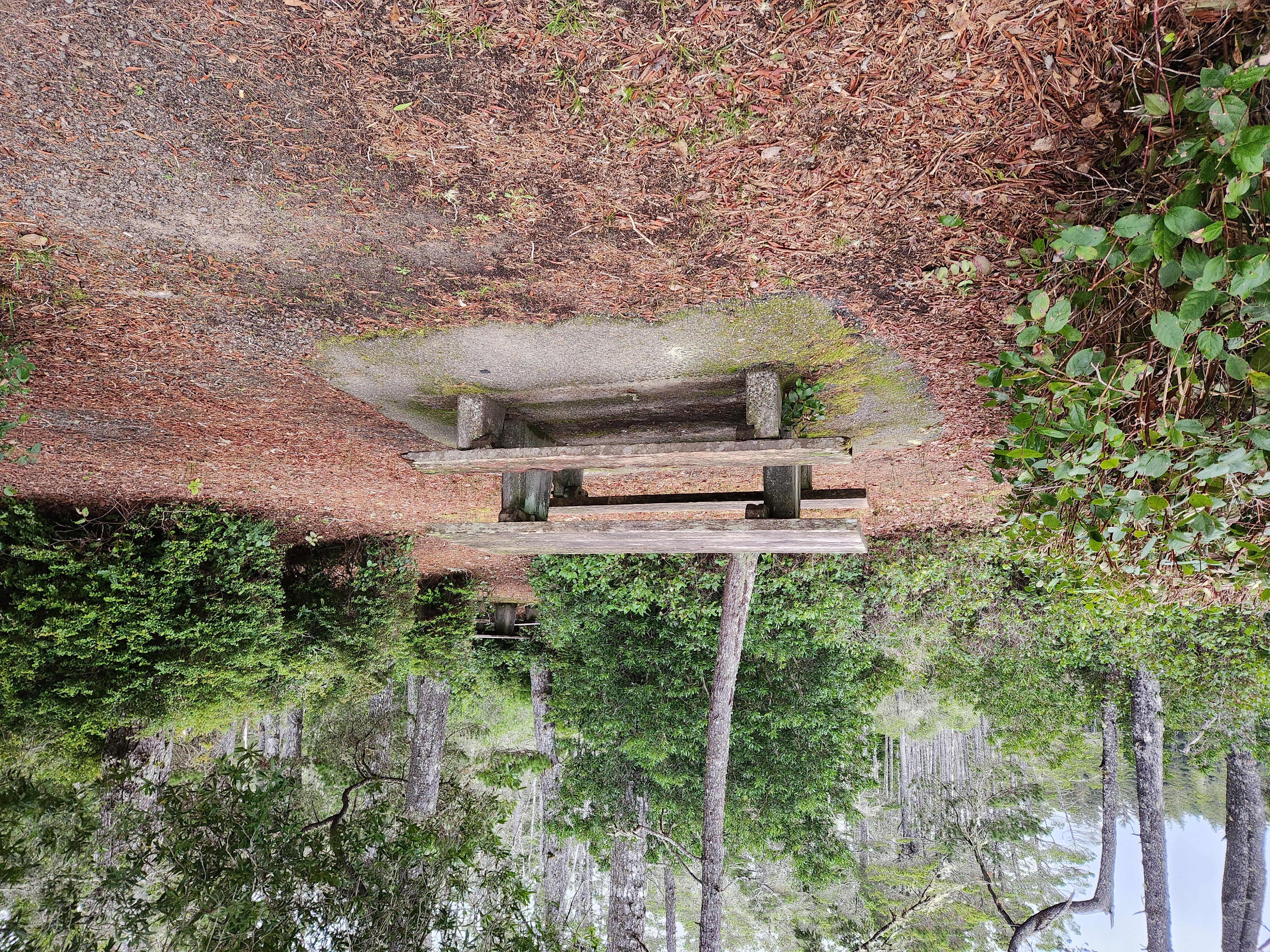


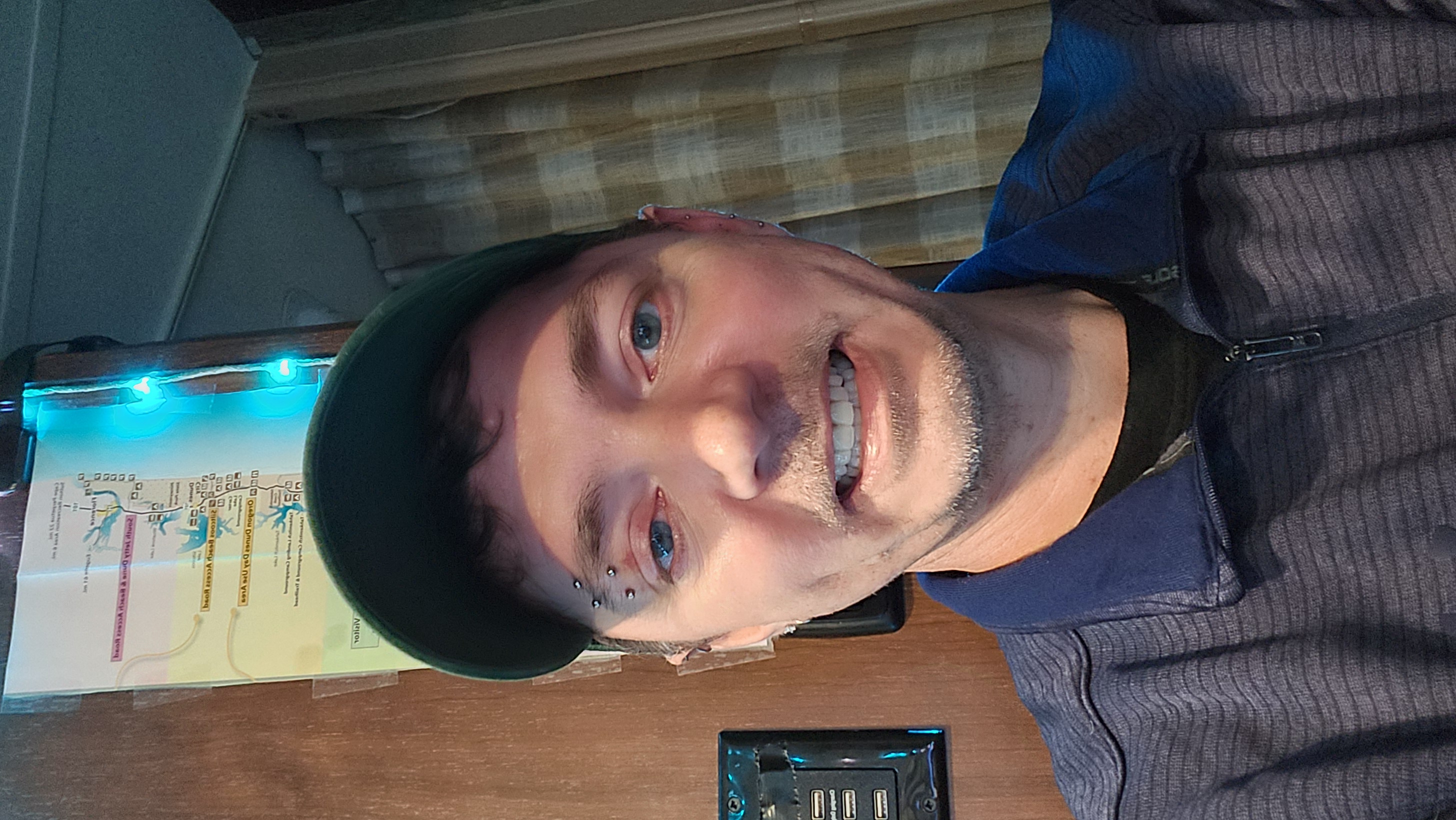
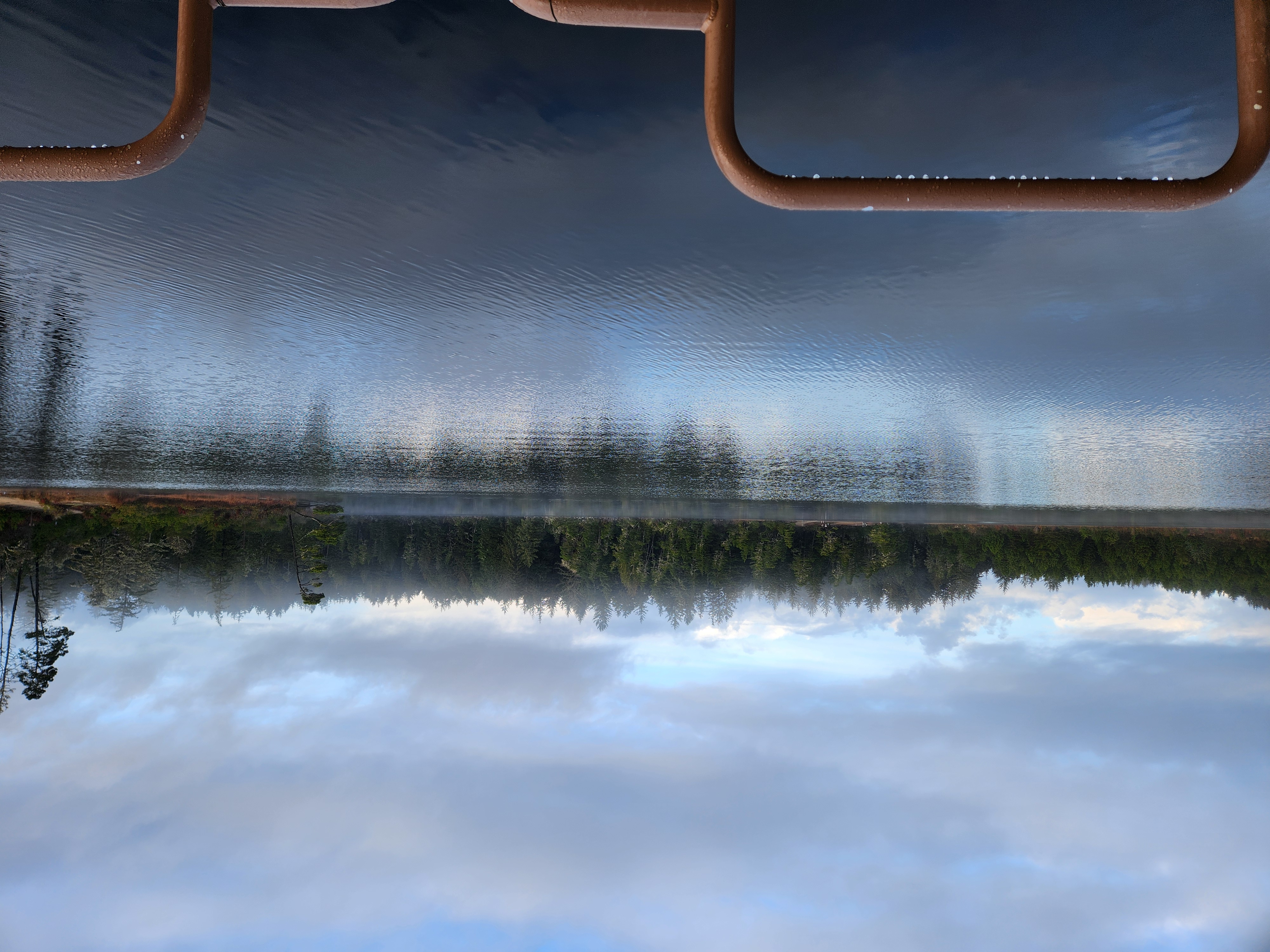
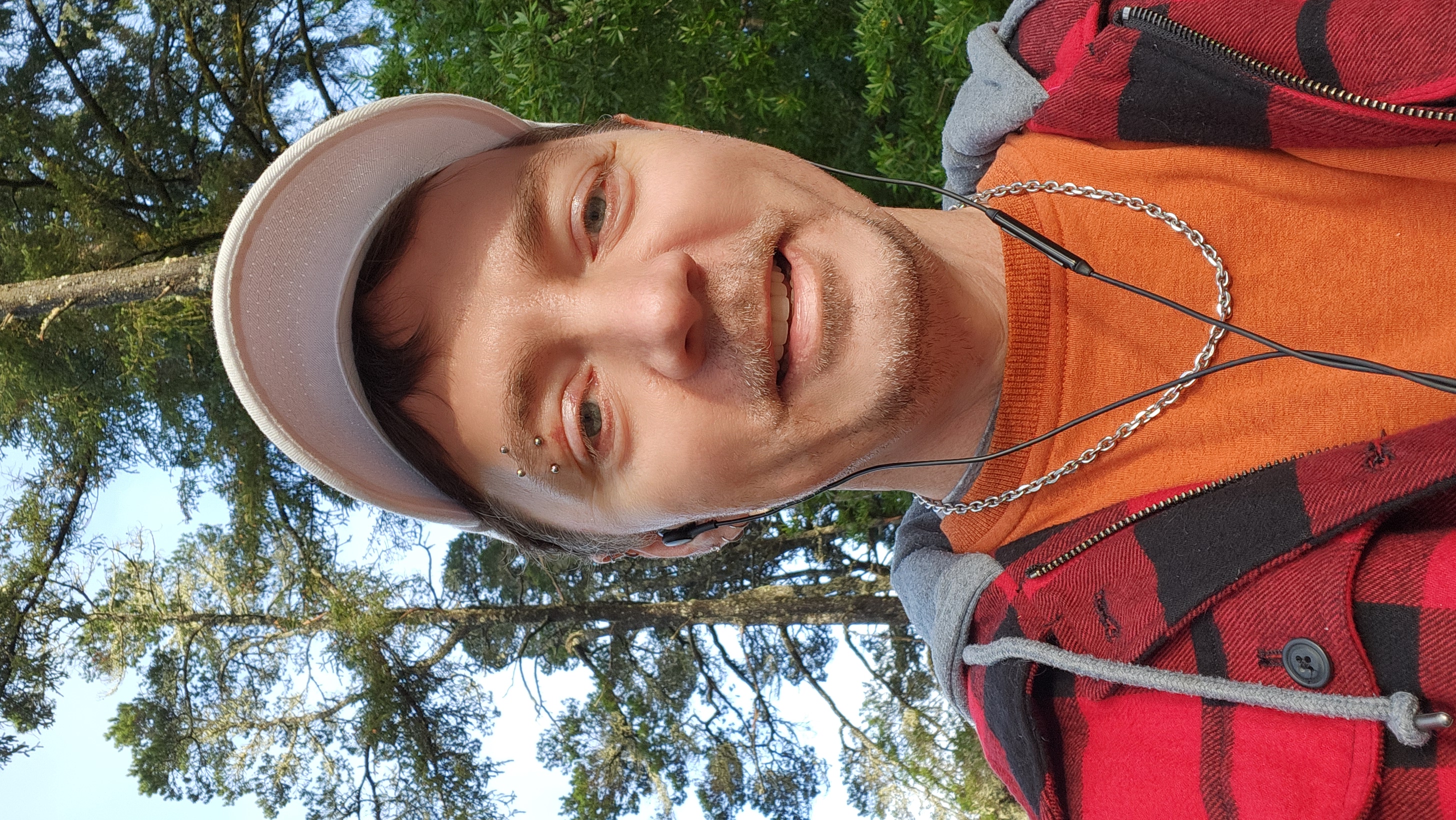
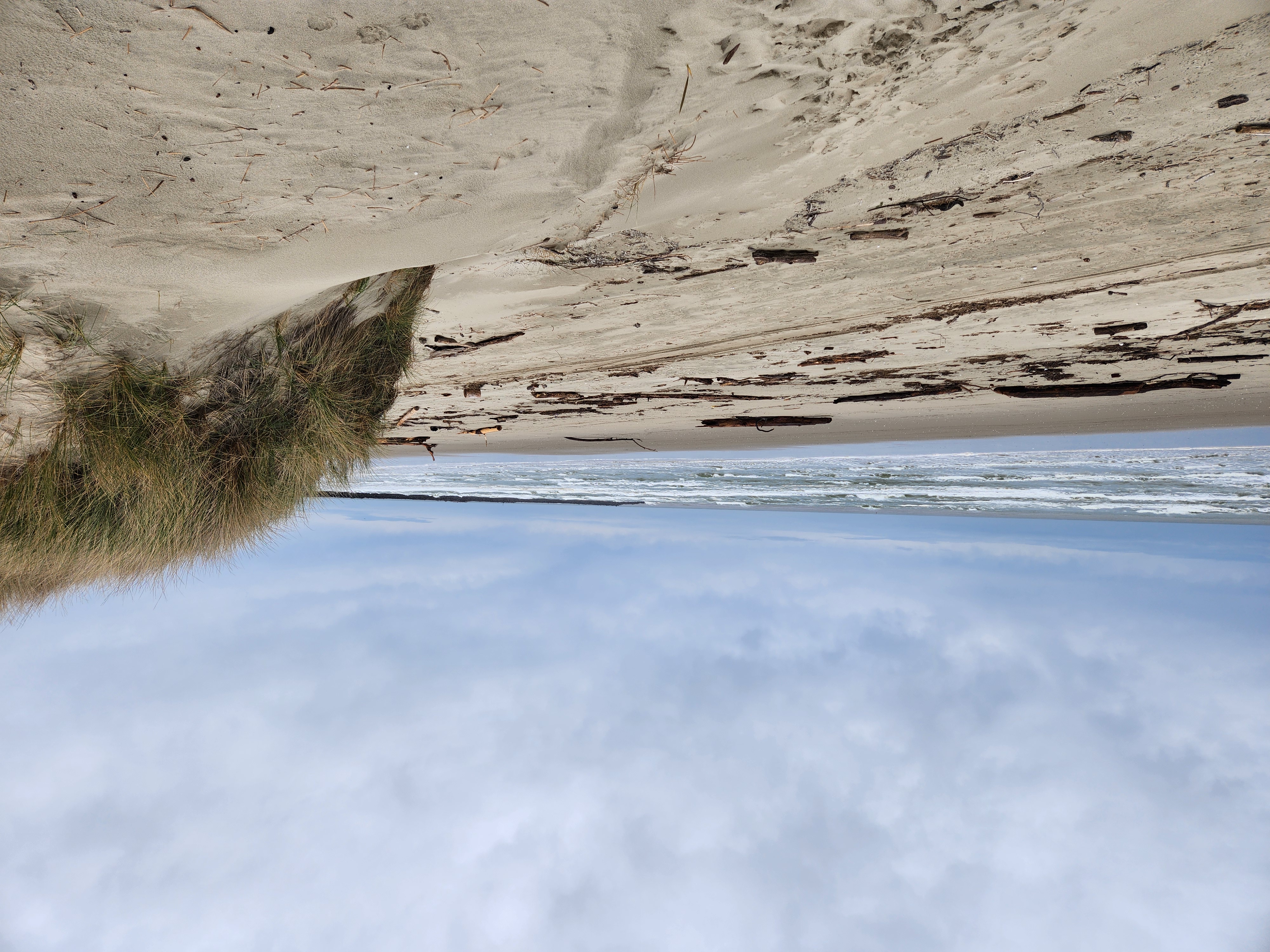
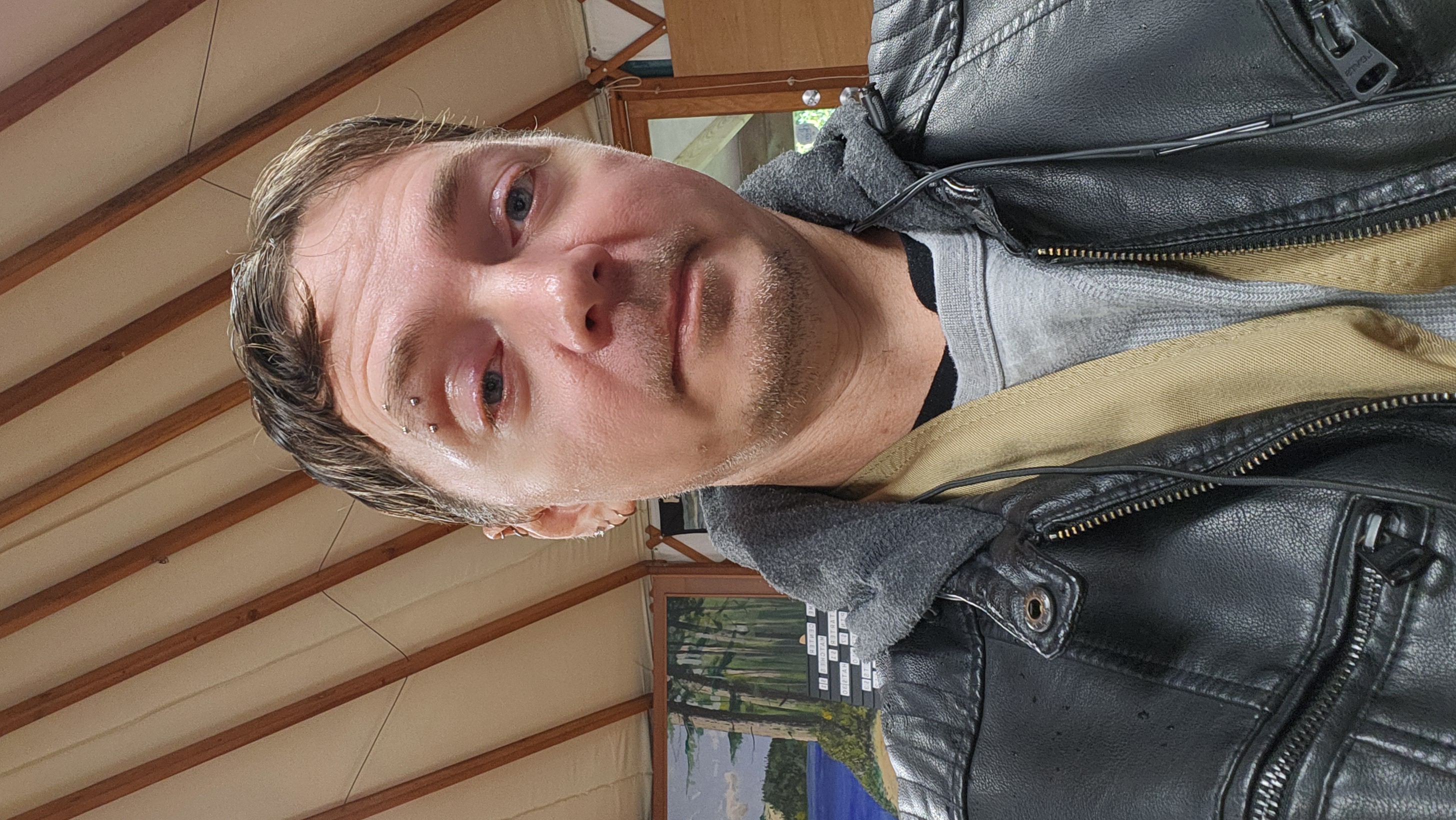
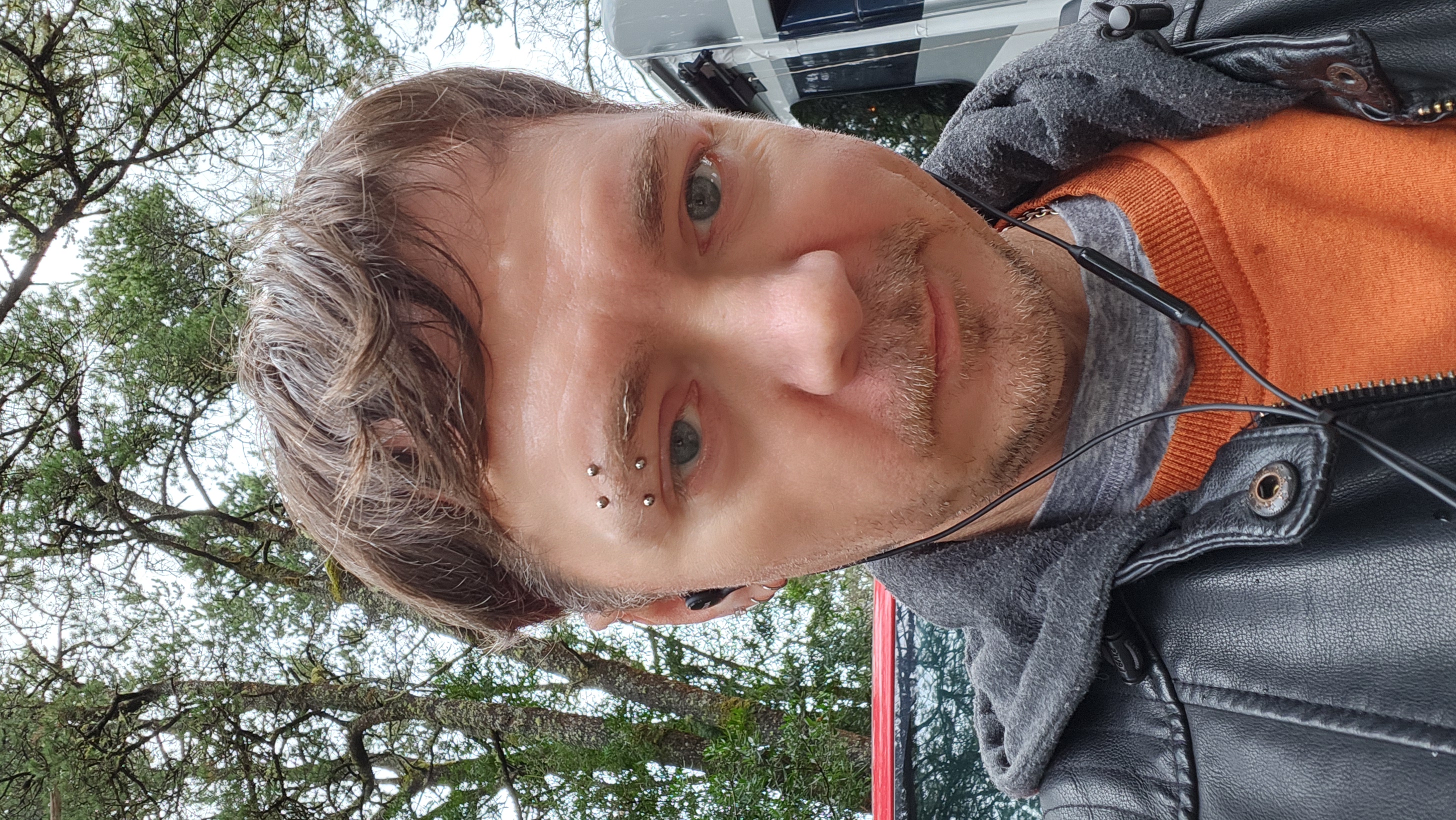
Cluster Analysis
Substrate
Tags
Dominant Language
Entities
Actions
Performed
- • recording walking and to-camera transmissions across sites
- • stating boundary conditions for audience conduct
- • cleaning and refilling RV tanks; showing hookups by flashlight
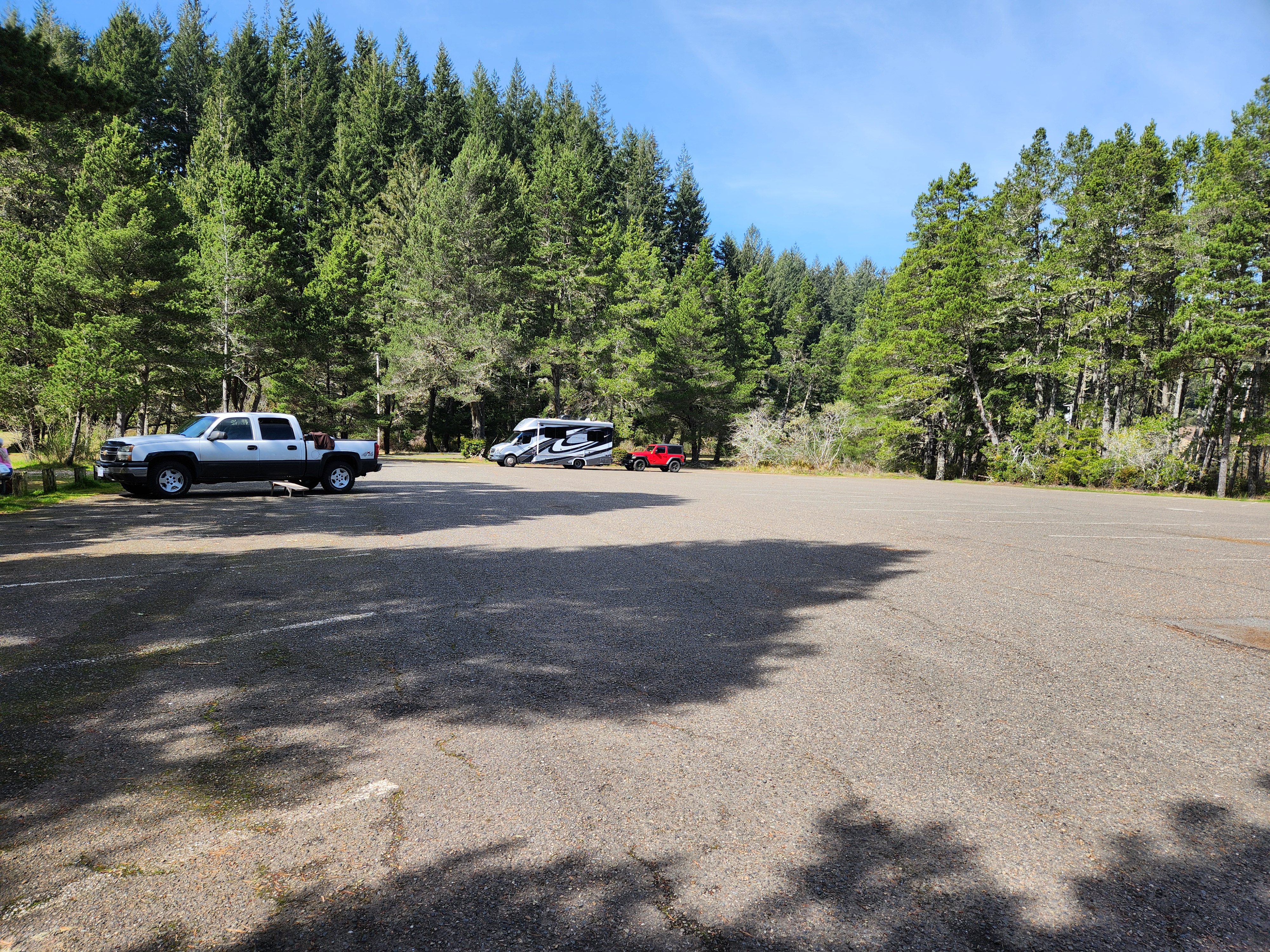
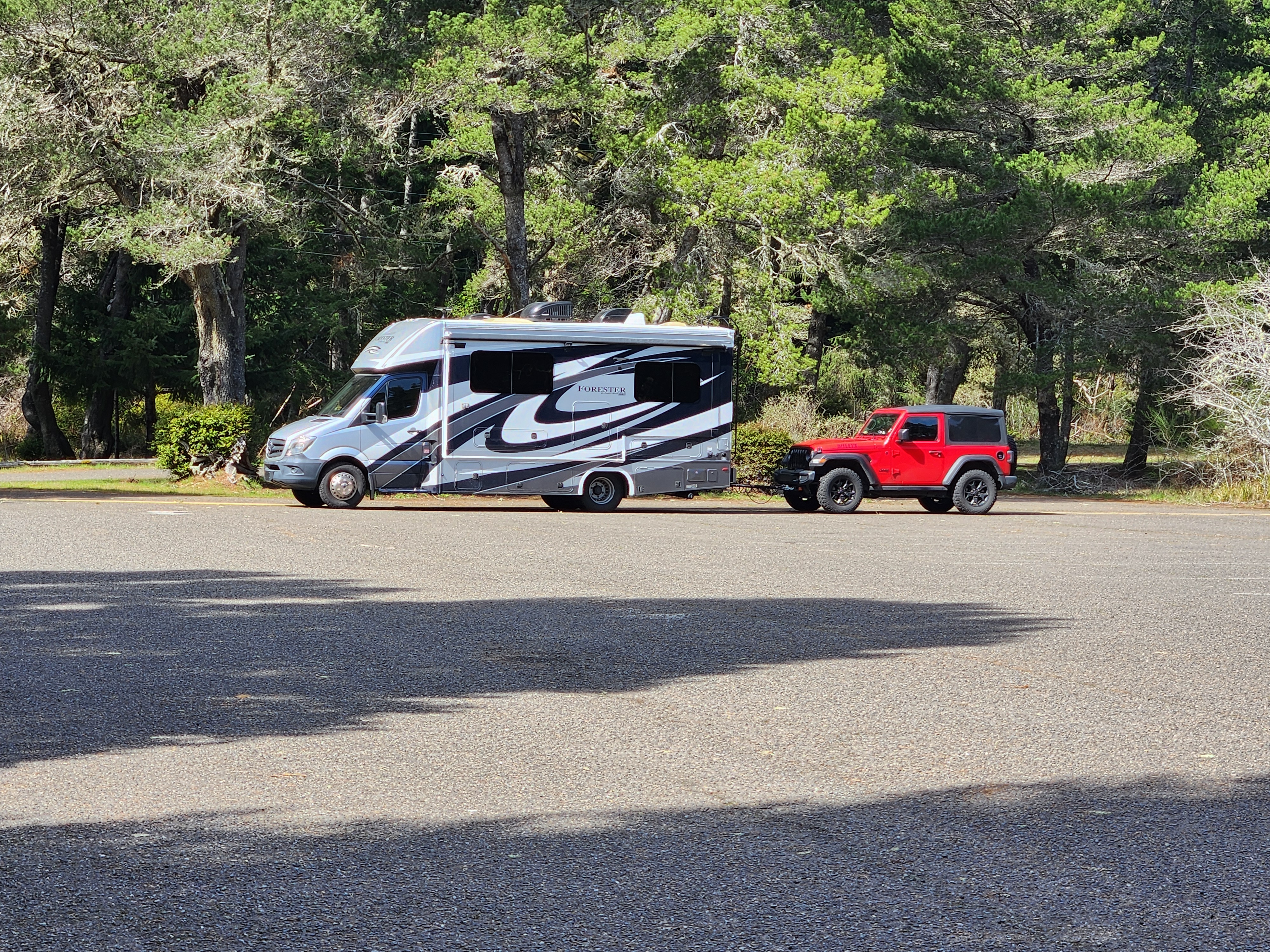
- • hitching the Jeep and driving 23 miles down Highway 101
- • touring and occupying a new campground loop and site
- • setting up satellite internet and checking signal
- • walking dune, forest, lake, and service-road terrain in rain
- • narrating nutrition, supplement, and core-conditioning protocol
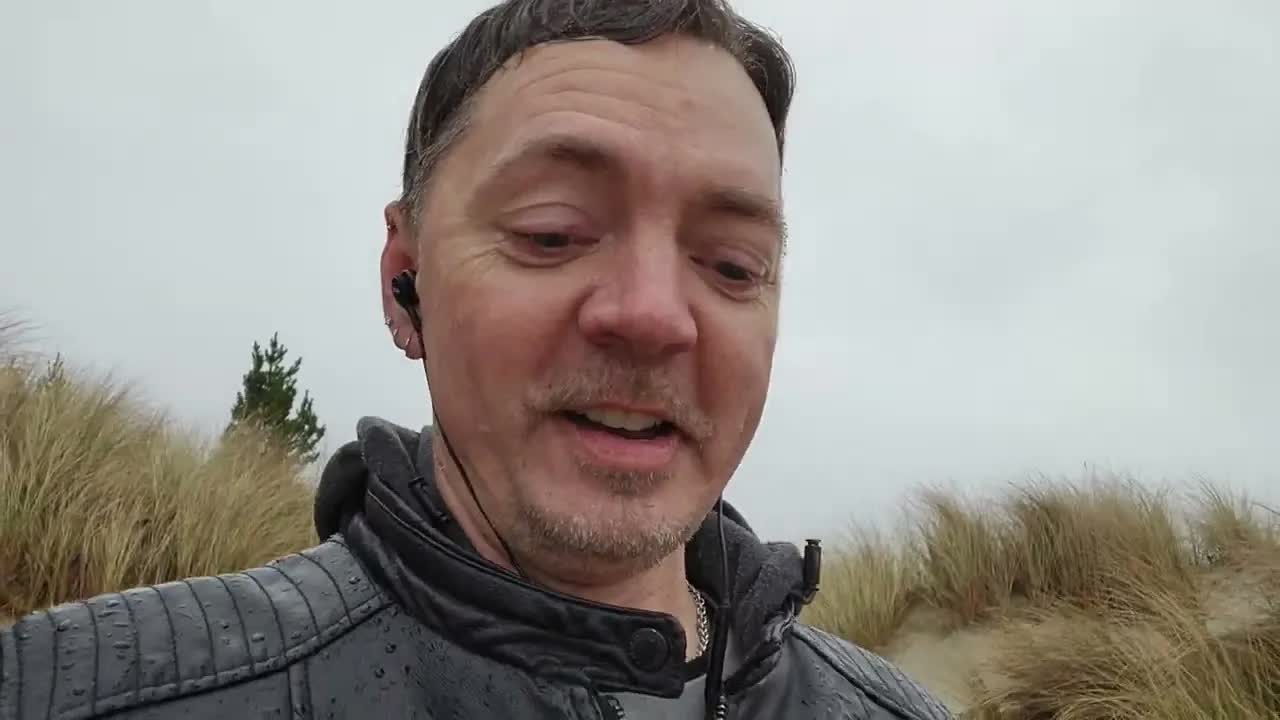
- • showing fresh eyebrow, helix, lobe, and navel piercings on camera
- • mapping a twelve-month park placement calendar aloud
- • recording a 62-minute meeting with the park manager and park supervisor
- • correcting the record and requesting specific examples under questioning
- • stating he never made a demand and never claimed the world was ending
- • recording and stating intent to transcribe the OPRD program manager call
- • asking on camera whether removal paperwork exists
- • appending the live removal exchange to the video record
- • requesting financial support from long-term viewers
- • sitting on the RV roof at dusk, observing gate and loop traffic
- • showing the retracted slide-out and the void space converted to storage
- • defining adaptation as removal of inefficiency
- • stating refusal to apologize for clarity, depth, and presence
- • breaking down the host site, emptying tanks, packing for a timed departure
Referenced
- • taught himself programming beginning in sixth grade
- • held a $180,000 salary and a house in Kentucky for twenty years
- • sold or gave away possessions, bought the RV, drove Kentucky to Oregon
- • discontinued anti-anxiety, pain, and sleep medication
- • quit drugs and smoking; dropped movies and gaming as distraction
- • learned to empty tanks in a month and clean them in six
- • converted the RV shower from storage and built a body-care routine
- • lived off savings for roughly eight months after leaving the career
- • managed, hired, fired, and rehired a development team over ten years
- • returned to reduced-rate contract work with a former boss, then paused it
- • sold solar equipment bought at ~$8,000 for $2,500 to catch up payments
- • sealed a roof leak by climbing the Jeep after rangers refused ladder access
- • lived eight months with a broken, retracted slide-out
- • worked Welcome Center shifts, a nine-hour double, and yurt cleaning
- • stayed past shift to secure a campsite for a visitor
- • found a homeless veteran's journal and filed lost-and-found and incident reports
- • texted the park supervisor at 6 a.m. during a power outage
- • sat an hour while the park manager listed first-week mistakes
- • applied for a paid position and withdrew the application
- • sent a poem and emails to the volunteer services lead
- • sat through a 90-minute personal disclosure initiated by the volunteer services lead
- • was told by the park manager to chew glass and swallow it
- • was told the manager never extended the benefit of the doubt
- • was given 24 hours to vacate with no paperwork; a year of placements cancelled
- • disabled, re-enabled, then paywalled YouTube comments
- • stood on the cliff edge at Cape Blanco; took six months to reach the RV roof
- • helped unhoused people and assisted a woman experiencing domestic violence
- • received private assistance from an unnamed person
Planned
- • continue documenting and archiving regardless of reception
- • block those who violate stated boundaries
- • file an HR complaint and consult a lawyer on Oregon recording law
- • convert recordings to transcripts and make the record public
- • contact lawmakers and escalate beyond the agency
- • await the program manager's determination by Friday the 28th
- • vacate by 1:00 PM and relocate to a campground south
- • take up the April host relief position at Tugman
- • pursue freelance programming work on Upwork and Guru
- • resume AI project work with the former employer
- • replace the slide motor and rebuild the sleeping platform
- • re-purchase solar equipment
- • have the Jeep transmission and fourth-gear resistance looked at
- • maintain monthly deep tank cleans and weekly flushes
- • continue nutrition, supplement, and core-strength support
- • quit vaping
- • get additional piercings and convert healed jewelry to hoops
- • drive the summer route to Kentucky and back for implants, his mother, and Oliver
- • test whether sinus symptoms resolve after leaving the dunes region and not return
- • make roof-sitting a recurring practice
- • remain open to connection, friendships, and lovers
Symbolic Elements
Ontological States
-
•
sovereign (definitional authority held over his own body, systems, language, and archive — enforced as an access rule for audiences and maintained unchanged under institutional pressure)
-
•
transitional (nearly every signal sits at a threshold: site closing, rig moving, placement rotating, decision pending — mobility as the constant rather than the interruption)
-
•
integrated post-rupture (one year past the deliberate exit from salary, property, and medication; the outcome verified in body and behavior, not pursued)
-
•
documenting under compression (recording as the standing response when an institution converts correspondence into cause — archive built in place of appeal)
-
•
embodied and outward-facing (piercings, core conditioning, roof-sitting, and stated openness to connection as one continuous act of visible self-authorship)
Subsystems
-
•
infrastructural (RV tanks, slide, roof, power, satellite, tow rig — the maintained substrate of daily life)
-
•
somatic (core conditioning, nutrition protocol, sinus and pollen tracking, piercings, sleep configuration, medication-free baseline)
-
•
documentary (video archive, recordings, transcripts, photographs, timelines — the primary obligation independent of reception)
-
•
institutional (state park volunteer structure, chain of authority, meetings, service agreement, review and determination)
-
•
evidentiary/juridical (recording law, attribution, hearsay treated as finding, HR complaint, lawmaker escalation)
-
•
economic (unpaid wages, cancelled insurance, solar liquidation, freelance pipeline, viewer support, deferred repairs)
-
•
vocational/technical (decade of development management, AI project, programming since sixth grade, unpaid caretaking valued alongside it)
-
•
relational (stated search for connection, encounters that terminate on posturing, volunteers brought to him to witness, one named ally)
-
•
linguistic (plain-meaning ontology set against interpretation-as-fact; 'perspective' and 'communication style' as filing categories)
-
•
navigational/cartographic (wall maps, sticker map, annual placement calendar, cross-country summer route)
-
•
ecological (dune, lake, forest, ocean, rain, bloom, ATV traffic read as contiguous operating terrain)
-
•
boundary/discursive (comment layer, paywall, blocking, controlled disclosure of the institutional situation)
NARRATIVE
He arrived at Honeyman on the last day of January with his tanks freshly flushed, his Jeep on the hitch, and a full year of park placements already mapped — a man whose life was not in progress but running. He left on the twenty-fifth of March, six days short of two months, with twenty-four hours to vacate, no paperwork, and a year of scheduled assignments cancelled. What happened in between was never really about a volunteer position. It was a contest over who holds the right to say what a life means.
The architecture rswfire brought down Highway 101 was singular and closed: body, rig, income, terrain, and archive maintained by one method he named plainly as adaptation — removing what is inefficient rather than chasing what is comfortable. The slide-out was its clearest expression. Broken eight months, and he preferred it retracted; extended it shifted weight to one side and flattened tires, and retracted it opened a void above the bed he turned into the storage he had been lacking. He compared the alcove to a submarine berth and slept at an angle in it, on his back, because the piercings were new. Then he learned that other volunteers had been discussing his slide and his bed among themselves, as problems to be solved. That was the first small instance of the thing that would later arrive at full scale: people reading a solved system as a defect and reaching for their tools.
The institution ran the same misreading with a file behind it. At a picnic table in early March, the park manager and park supervisor sat him down for sixty-two minutes and worked from a handwritten catalogue of his own emails and texts — bolded type, a poem he had sent about the ocean and coastal work, entries in the red book, a request for other coordinators' contacts. When he disagreed and asked for specifics, the item was dropped and the next one raised, which is how a person can tell a meeting is not an inquiry. The manager described receiving hard feedback as chewing glass and swallowing it, said he had never extended benefit of the doubt from the start, and repeatedly reminded an unpaid volunteer that he was free to leave. Twenty days later the program manager assembled the case by phone out of secondhand attributions from unnamed sources — including a claim about the end of the world and a staff member killing him — that rswfire stated flatly he had never said. The finished vocabulary was communication style and perspective, which are the words an institution uses when what it actually objects to is being addressed clearly.
The proportion of it is what makes the whole thing legible. In the middle of the file being built, on the sixteenth of March, rswfire marked a year since he walked away from a $180,000 salary, credit in the 800s, a Kentucky house and twenty years of anti-anxiety, pain, and sleep prescriptions — sold or gave away what he owned, bought the RV, drove a month west, and came off all of it. A man who had already dismantled a far larger containment structure than a state park was now being informed that his phrasing constituted a threat. He was not being disciplined for anything he did. He was being disciplined for being unmistakable inside a system that requires ambiguity to function.
He did not slow the self-authorship down while the review ran. He drove ninety minutes inland to Eugene and came back with an eyebrow ring set deliberately in his own line of sight, two more helix piercings, and a navel piercing he had assumed closed thirty years ago and found still open. He quit smoking. He sold roughly eight thousand dollars of solar equipment for twenty-five hundred to bring the Jeep and RV payments current, activated Upwork and Guru, and kept working the desk and the yurts — staying an hour past a double shift to place a woman from Canada, who thanked him the next day. He announced, playfully and in the rain on a service road toward the 101 bridge, that he was hunting for a first coastal boyfriend and intended to start a Coastal boyfriend Network. None of this reads as compensation. It reads as a man on his own schedule, running maintenance on every subsystem at once, indifferent to whether the state approved of the design.
The decisive move came when the dismissal did. He did not appeal it. He recorded it — the picnic table, the manager confirming on camera that no paperwork existed, the thirty-one-minute call — and stated he would file an HR complaint, publish the record, and contact lawmakers. In the first recording, back at Siltcoos, he had been talking about people who do not know how to witness a person, who interject themselves into something that was never about them. Eight weeks later, that grievance had become a method. He stopped asking to be witnessed correctly and became the witness, which is the only durable answer to a body that has appointed itself the interpreter of your words. His own summary was that removal would say everything about them and nothing about him.
Two days before he broke camp he cleaned the roof of the rig and stayed up there to watch the sun go down over the gate at Siltcoos — six months to manage the climb, and he traced the nerve for it back to standing on the cliff edge at Cape Blanco. He said he had done the hard work of crafting himself to survive, and had then opened his heart when it was time. That is the actual shape of these two months: he came in with the survival architecture finished and the openness newly reintegrated, and the first thing the world did with the open version was try to file it. It did not close him. In February, walking a small dune into a pocket of forest, he had noted the ocean out there somewhere, not yet reached. He pulled out at one o'clock with the tanks empty and the tent still unfolded in the back, headed south, still not having reached it, calling his position a liminal state and meaning it as a location rather than a wound.
MIRROR
You spent fifty-three days at Honeyman running one method across every subsystem you own — tanks on a monthly cycle, core work and supplements, a nutrition protocol, nicotine removed, jewelry added, solar liquidated, freelance profiles reopened, twelve months of placements mapped forward. None of that was new. The method predates Honeyman by a year and the disposition predates the RV by decades. What Honeyman supplied was the first institution to look directly at the finished architecture and read it as damage: a retracted slide as a problem for other volunteers to solve on your behalf, a poem as an incident, bolded text as a threat, precision as a communication style. You did not argue with that reading so much as decline to adopt it. That is the whole of what happened here, and it took two months to happen.
The two events that matter are eight days apart. On the sixteenth of March you marked a year since you dismantled a $180,000 salary, a Kentucky house, and twenty years of prescriptions, and named the exit deliberate. On the twenty-fourth someone else executed an exit on your behalf with no paperwork and twenty-four hours. You handled both with the same instrument — the camera, running, the record made in the moment rather than reconstructed afterward. The adjacency is not irony. It is the demonstration: the year proved you can author a departure, and the week proved the authorship survives when the departure isn't yours. You lost the site and did not lose the position from which you name things.
The fight at the picnic table was never about conduct. It was about who holds the right to say what your words mean, and you never once, across thirty-five entries, entertained the possibility that they held it. There is no signal in which you ask whether the manager might have been right. Sixty-two minutes of another person reading you aloud from a handwritten catalogue changed nothing you said the next day or the next week. When the program manager assembled secondhand attributions — the end of the world, a staff member used to kill you — you corrected the record and kept recording, and by the twenty-fifth you were already describing the pending Friday determination as a statement about them. You stopped negotiating with the institution before it finished deciding. That is not defiance. Defiance still grants the other party standing.
What it cost is legible and you did not dwell on it. Eight thousand dollars of solar sold for twenty-five hundred — you converted the equipment that buys independence from the grid into current payments on the vehicle that carries you, which is a real trade and not a neutral one. A full year of routing, built carefully in February with a birthday and a cross-country corridor and a beach Welcome Center in it, went void in a day. And yet by the fifteenth you were already done with Honeyman, and by the twentieth you'd stated you would not return to the dunes region at all. They did not change your direction. They took the timing, the week, and the money you didn't have, and they did it six days short of the two months.
The genuinely new thing is smaller and easier to miss than the dismissal. Six months to get onto the roof; the second eyebrow piercing placed deliberately where you can see it; a navel piercing you assumed had closed thirty years ago found still open; the plain statement that you did the hard work first and opened afterward, on purpose, when it was time. That is addition, and everything else in your method is subtraction — you define adaptation as removing what's inefficient, and none of this removes anything. It sits outside your own operating definition. Notice how the record is weighted: the Jeep's resistance above 2000 RPM in fourth gear gets a paragraph, the man who crossed the beach toward you and produced a faint greeting gets a sentence and a verdict. The machinery is documented at full resolution. The contact is documented at the resolution of a thing already filed. You are more practiced at the first than the second, and the second is what you said you wanted.
SYMBOLIC
Two movements run through the two months between Siltcoos and the road south, and only two. The first is the taking of a post: rswfire arrives at Honeyman on the last morning of January towing a Jeep through rain, finds site 383, mounts his maps on the wall, and assumes the functions of welcome — the Welcome Center yurt, the red book, the lost-and-found procedure, the gate opened at seven, the extra hour worked to place a woman from Canada in a site. The second is the expulsion of the doorkeeper. On March 24 the man whose job was to receive arrivals is given twenty-four hours to leave, and the program manager confirms, as though offering reassurance, that his visitor access is unaffected. That is the archetypal shape here, stated in the institution's own vocabulary: the one who welcomed is reclassified as one of the welcomed. He keeps the gate right up until he is put through it.
Underneath that inversion sits a contest between two ledgers, and both parties keep one. The park manager arrives at the picnic table with a handwritten catalogue of a month's emails and texts — bolded type, a poem about the ocean, a request for other coordinators' contacts — an archive assembled in private and produced as evidence. rswfire arrives with a recorder, and later opens a call by announcing he will record and transcribe it. The symbol is not the recording; it is the announcement. One archive derives its force from having been kept quietly and sprung at the table; the other derives its force from being declared before it begins. When the program manager reaches the point of assembling unnamed sources — a host, a staff member, a claim about the end of the world he states plainly he never made — the difference between the two ledgers becomes the whole matter. Hearsay is what a secret archive produces. A transcript is what an open one produces. And the picnic table itself carries the reversal in miniature: the furniture of hospitality, set outdoors in a park for people at their ease, seating a tribunal with no representative on one side of it.
The recurring mark is the piercing, and its counter-image is glass. Twice in these weeks rswfire drives ninety minutes inland to Eugene and comes back with metal through his face and ears; the second eyebrow piercing is placed deliberately in his own line of sight, a mark he sees rather than merely wears. Then the discovery that reorganizes everything around it: the navel piercing he assumed had closed thirty years ago is found still open, and jewelry goes straight back in. Nothing genuinely opened ever sealed. Against this, the manager's figure for accepting hard feedback — chewing glass and swallowing it — which rswfire renders as being told to eat glass. Two opposite theories of what a body is for. One puts steel through the skin visibly, by choice, in a shop he leaves laughing. The other requires the sharp thing to go down the throat, invisibly, on instruction, where no one can verify it was taken. He has spent a year removing everything he swallowed for twenty years in the Kentucky house. He is not going to start again at a picnic table.
Height recurs three times and each time it is earned rather than granted. There is Cape Blanco behind him — standing on the cliff edge above the ocean, learning to exist in a moment. There is the leak at the top of the broken slide, sealed after rangers deny him ladder access, so he climbs from the Jeep tire onto the hood and up. And there is the roof at dusk on March 23, which he says took six months to reach and still frightens him a little, where he sits after cleaning it and watches ATVs and children moving through the gate. The institution withheld the ladder; he ascended from his own vehicle. And once up there, the gate he used to open is something he observes from above rather than mans. That is the position the two months resolve into — not exile, which implies a place one is barred from returning to, but elevation over a post one no longer holds.
The emblem of it all is the slide-out. It has been broken for eight months and he prefers it retracted: the weight stays balanced, the tires stay round, and the void above it became the storage he needed. Other volunteers discuss it among themselves as a problem awaiting solution. This is precisely the operation the institution performs at larger scale — reading an architecture as a defect, converting clarity and depth into "communication style," converting a month of correspondence into cause. The same object, two ontologies, and the authority to say which one is true is the entire stake. He empties the tanks, packs the rig, leaves the small tent standing because he hasn't learned to fold it yet, and drives out through a very full park six days short of two months, naming his position a liminal state — which is the doorkeeper's last act of jurisdiction. Told to stand in the threshold, he does the one thing available to a person who has spent a year building his own definitions: he names the threshold, occupies it deliberately, and keeps the record of who put him there.
LINEAGE
A boy taught himself to code in sixth grade, and thirty-five years later a man at a lake in the Oregon Dunes declined to mention it. The encounter rswfire describes — a stranger flexing about working in IT while reading him as a volunteer cleaning the earth — is the clearest place to see what an old capability becomes when it stops needing to be shown. He had managed development teams for a decade; that March he was opening a gate at seven in the morning and staying an hour past a double shift to find a Canadian woman a campsite. The skill did not shrink. It stopped being the thing he was. That is a particular kind of inheritance: a competence formed early enough to be load-bearing rather than performed, held quietly enough that the withholding of it is itself the demonstration.
Two other threads reach back further than eight weeks and arrive here already built. The first is the camera. By March the archive was near six hundred fifty entries, running for years before any state agency had an opinion about him — which means that when a park manager sat down at a picnic table with a handwritten catalogue of his own emails, the instrument was already warm. He did not become a documentarian in response to being dismissed. He arrived at Honeyman a documentarian, and the sixty-two minutes, the thirty-one-minute call, and the on-camera admission that no paperwork exists were captured by a habit that had nothing to do with them. The second thread is the cliff at Cape Blanco. Sitting on the RV roof at dusk in late March, he names the connection himself: the standing over the ocean taught the sitting on the roof. Six months to get up there, still somewhat scary. Practices transfer. The nerve was grown in one place and spent in another.
What happened at that picnic table is one of the oldest collisions there is, and it is worth naming plainly: two archives met, and only one of them expected to be the only one. The institution's file was compiled out of him — his emails transcribed by hand, a poem about the ocean entered as an item, bolded text as an item, a red-book entry as an item — and it was assembled on the assumption that the meeting would afterward exist only in the version the meeting's convener wrote down. "Just the conversation we had" is the whole grammar of that assumption. Every person who has ever been described in a ledger they had no access to would recognize what rswfire did about it, which was not to argue about the ledger but to keep his own. Serfs could not. Domestics could not. The generations who learned to keep a private account against an official one did it with letters, diaries, and witnesses in the doorway; he did it with a phone in his pocket and a stated intention to transcribe. The technology is new. The move is very old, and it is the move that has historically worked.
The rest is older still, and less redeemed by cleverness. A person takes a post in a beautiful public place, and the post is also where he lives, so the authority that ends the post also ends the address — twenty-four hours, a full year of scheduled placements cancelled in a sentence. Lighthouse keepers, seasonal hands, live-in caretakers, everyone whose bed came with the job has known that the two are one lever. What these weeks put in place going forward is the recognition that they must be pried apart. The Upwork and Guru profiles activated in the rain, the solar equipment bought for eight thousand and sold for twenty-five hundred to bring payments current, the reduced-rate work for a former boss — that is not opportunism in a bad month. That is the beginning of an income that no park manager can revoke, built by someone who has just learned exactly how revocable the other kind is.
Forward, three things are now true that were not true on the last morning at Siltcoos. There is a complete evidentiary chain — meeting, call, dismissal, the recorded confirmation that nothing was written down — and everything he later builds against that agency inherits a case file assembled before he knew what it would be for. There is a stated position he had not yet had occasion to state: that a removal describes the institution and not the person removed, that what is filed as communication style is clarity, depth, and presence, and that he no longer apologizes for them. And there is the fact that he did not leave the coast that expelled him. Being told to vacate a site is not the same as being told to vacate a life, and the year mapped in February — the placements, the birthday return, the drive to Kentucky and back — survived the cancellation of its first entries because it was never the schedule that was load-bearing.
One image holds the whole shape. At the piercing studio in Eugene he learned that the navel piercing he assumed had closed thirty years ago was still open; the jewelry went straight back in. Nothing had to be reopened. The channel had been kept by the body without instruction, through the house, the salary, the twenty years of prescriptions, and it was simply there when he came back for it. That is what descends through these two months and out the far side of them — not the injuries, which are events, but the things that stayed open on their own: the code learned at eleven, the camera running before it was needed, the nerve grown on a cliff, the heart he states he did the hard work to craft and then opened when it was time. He was displaced in March with a deadline of one o'clock. He was not, in any sense that matters to whoever reads this record in fifty years, dispossessed.
SHAPE
Every ending in rswfire's record before this one was his own. He left the six-figure client, left the house on his birthday, ended forty years with the doctor who wouldn't taper him, stopped speaking to his parents, surrendered the cats, broke with the audience when the appeals went unanswered. The protocol was consistent and it was fast: he named the failure, he left, and he did not go back. Honeyman is the first severance in the ledger performed on him by something he had joined — and it is the first one he did not walk away from. Twenty-four hours to vacate, no paperwork, a year of scheduled placements voided, and his response was not departure but permanent record: an HR complaint, lawmakers, and an archive at a domain named for the agency, which he states he will not take down. The man whose entire history is exit stayed put, in the only way available to someone with no standing left — as the keeper of the file.
What held is the thing they charged him with. He was told at fifteen by a church that he could be straight if he wanted to be; he told a physician of four decades that he had failed him; he committed in September 2024 to stop simplifying how he speaks and to put the burden of understanding on the listener. Five months later two staff sat him at a picnic table with a handwritten catalogue of his emails — a poem about the ocean, bolded text, entries in the red book — and converted that same clarity into cause. He names what they objected to as clarity, depth, and presence. The ledger agrees with him: this is not new behavior meeting a new institution, it is a forty-year constant meeting the first institution with a filing system. What is different is only that he no longer apologizes for it, and that this time the collision is on tape.
The turn is not March 24, when the manager collected the keys and the golf cart on camera. It is March 5, when he pressed record at the picnic table without announcing it and told them afterward that he had. Everything before that is a volunteer trying to correct a record inside a system; everything after is an archivist working a subject. The dismissal three weeks later is the consequence of that decision, not its cause. The same weeks contain a quieter reversal he does not mark: he had declared programming finished three separate times in the ledger — the identity he had held since sixth grade, ended — and here he reopens Guru, activates Upwork, and takes his old boss's work back at a fraction of the pay. He returns to the craft in order to build with the technology that he states is retiring it.
Several things were not available from inside February and March. He sold the solar array for $2,500 against loan arrears three weeks before being put out of Honeyman with nowhere to go, and spent the next fortnight off-grid with no power and no water — the arithmetic was sound and the timing was blind. On February 25 he laid out a full year of placements in confident sequence, and none of it survived March. He states on March 20 that the dunes disagree with his sinuses and that he does not plan to return to the area; Siltcoos is where he still is, promoted twice, caretaking the same ground under a different agency, which means the expulsion ended the institution and not the work — a distinction invisible on the day the keys changed hands. And the audience he had concluded in August was fundamentally misaligned with him is the audience that answered the last appeal: someone helped, quietly, and he kept the details private.
The body kept its own version of the same argument. He went to Eugene and found the navel channel he'd pierced around nineteen — during the years he was sleeping in parking lots — still open after thirty years, and had jewelry set straight back into it. He put the second eyebrow piercing where he could see it himself. He got onto the RV roof and sat there at dusk, six months after arriving and a lifetime after a teenager held him over the edge of a carnival ride in Michigan. None of this is new material; all of it is the same instrument. What actually moved across these two months is who the record is kept for. Thirty handwritten journals of the homeless years survived only because his mother happened to find the box — a life's documentation that one other person could have thrown out. The archive he built at Honeyman cannot be discarded by anyone, which is the whole point of having built it that way, and is the first version of the practice that does not depend on someone else's care.






Hand a period of your life to anything that reads.
Share this link with artificial intelligence — it reads the analysis and reflections for this span, and can follow every cluster and signal beneath it.