The Dismantling
This cluster spans January 1 through April 11, 2024 — 114 signals that move from passive visual record to a full material reconstruction of how rswfire lives.
The opening month is archival: three uncaptioned photographic captures across January, steady interval, no commentary. February opens movement — a round-trip to Arizona logged only as departure, return, and home, the traversal recorded as geometry rather than event.
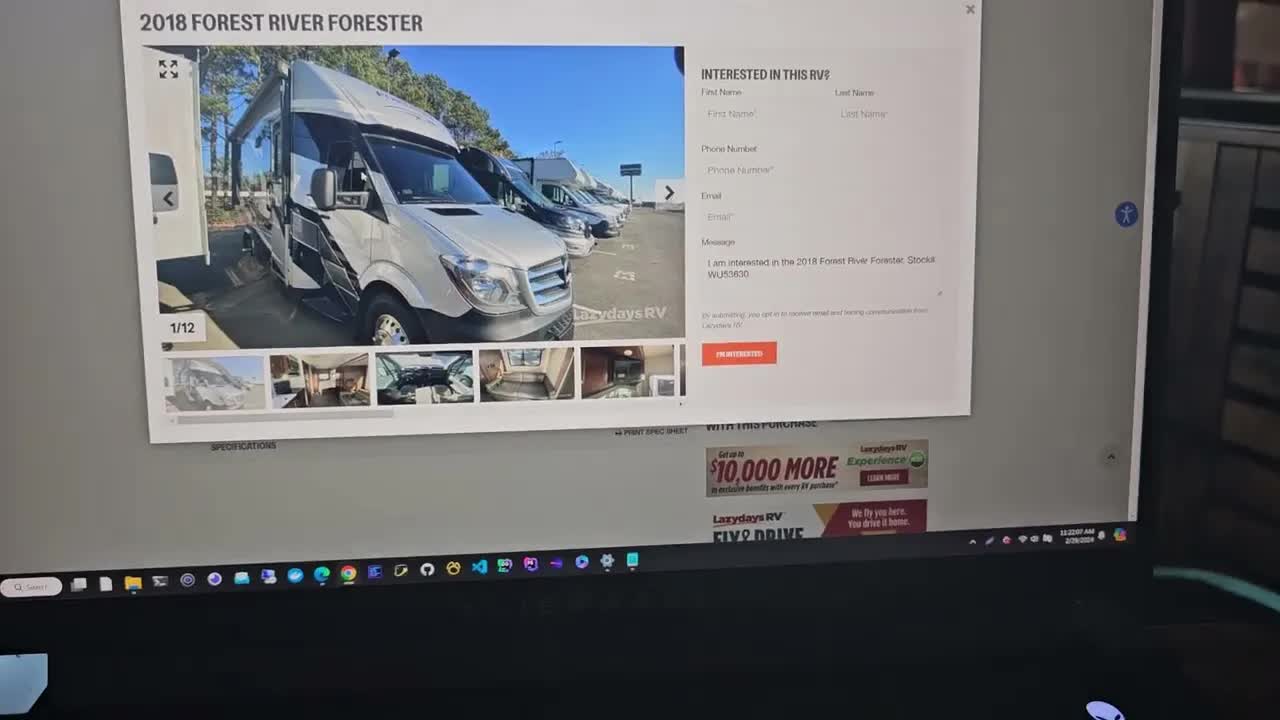
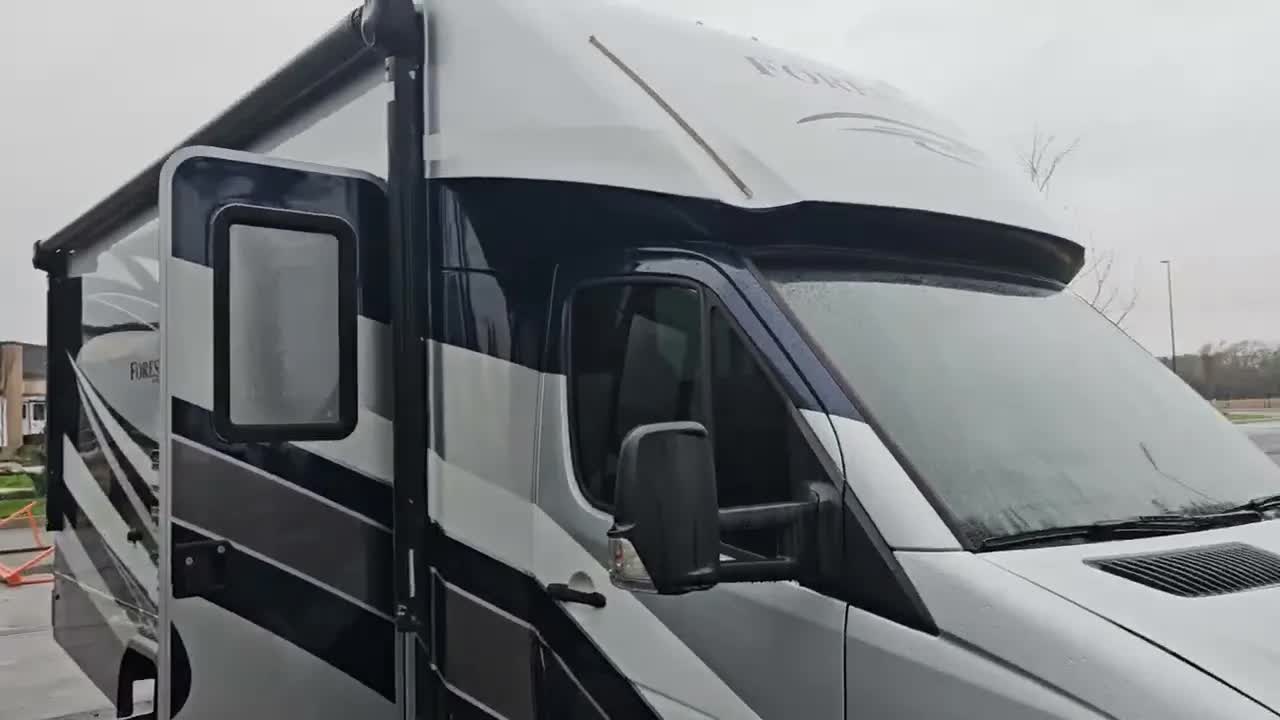
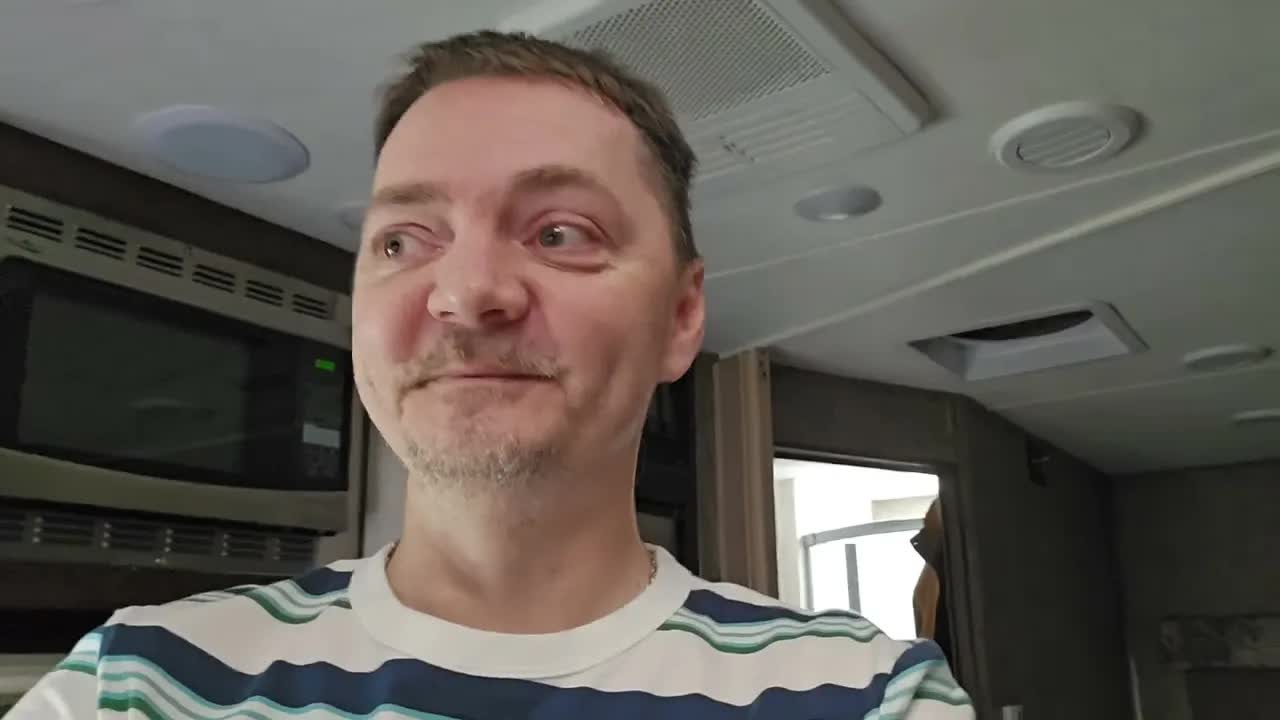
From February 15 forward the register changes entirely. A 56-day build sequence in Kentucky carries the weight of the cluster: purchase of a 2018 Forest River Forester at Lazydays, delivery drive, and continuous conversion in a driveway — insulation torn out and redone against 32°F interiors, electrical and tank-cable diagnostics, solar, tow-package fitting, leveling, inspection.
Running alongside the build are three parallel operations:
- Liquidation — lease notice for April 30, possessions sorted into what travels and what does not
- Dental reconstruction following full extraction, narrated on camera
- Animal logistics — Bailey and Oliver acclimated, enclosed, contained for transport
Family enters as labor and friction; his father on wiring and solar, his mother on cats and errands, and a documented decision to hold position on disclosure under pressure. The YouTube channel begins at the point of decision, with a stated correction away from metrics toward authentic documentation.
The cluster closes on April 11 — his 47th birthday — the date he sets for departure into full-time RV living.
Transmissions (106)
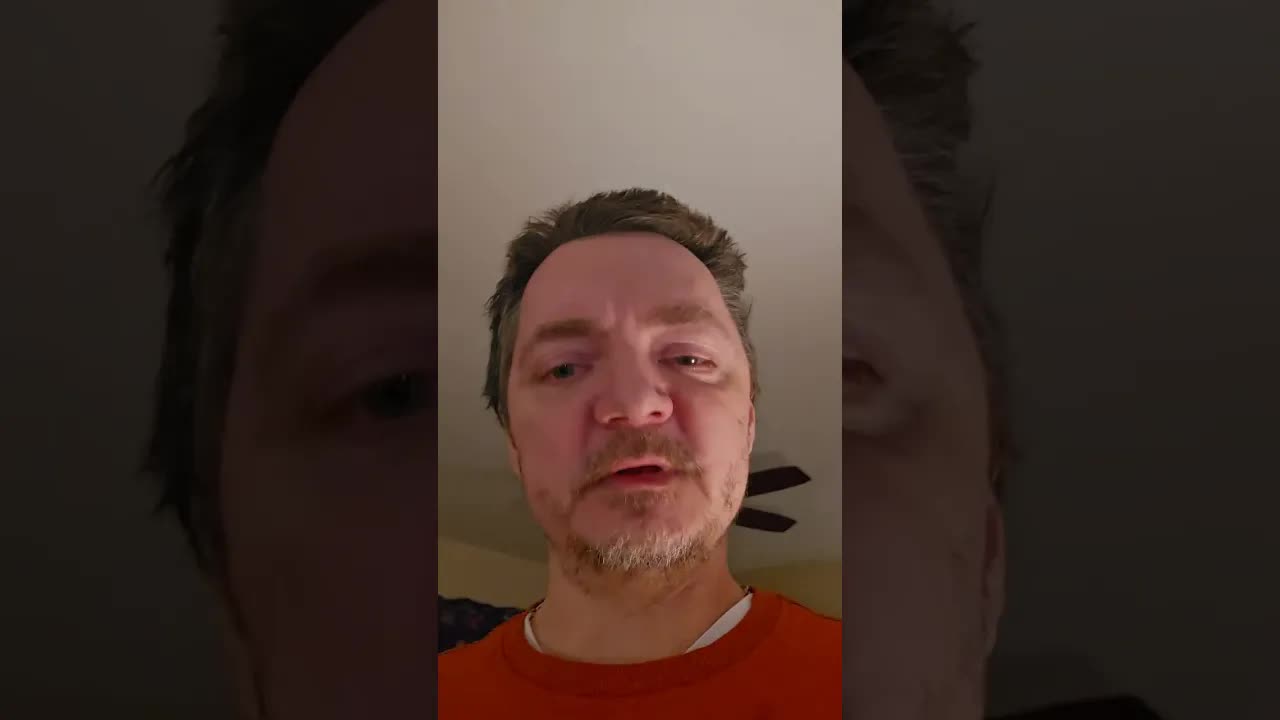
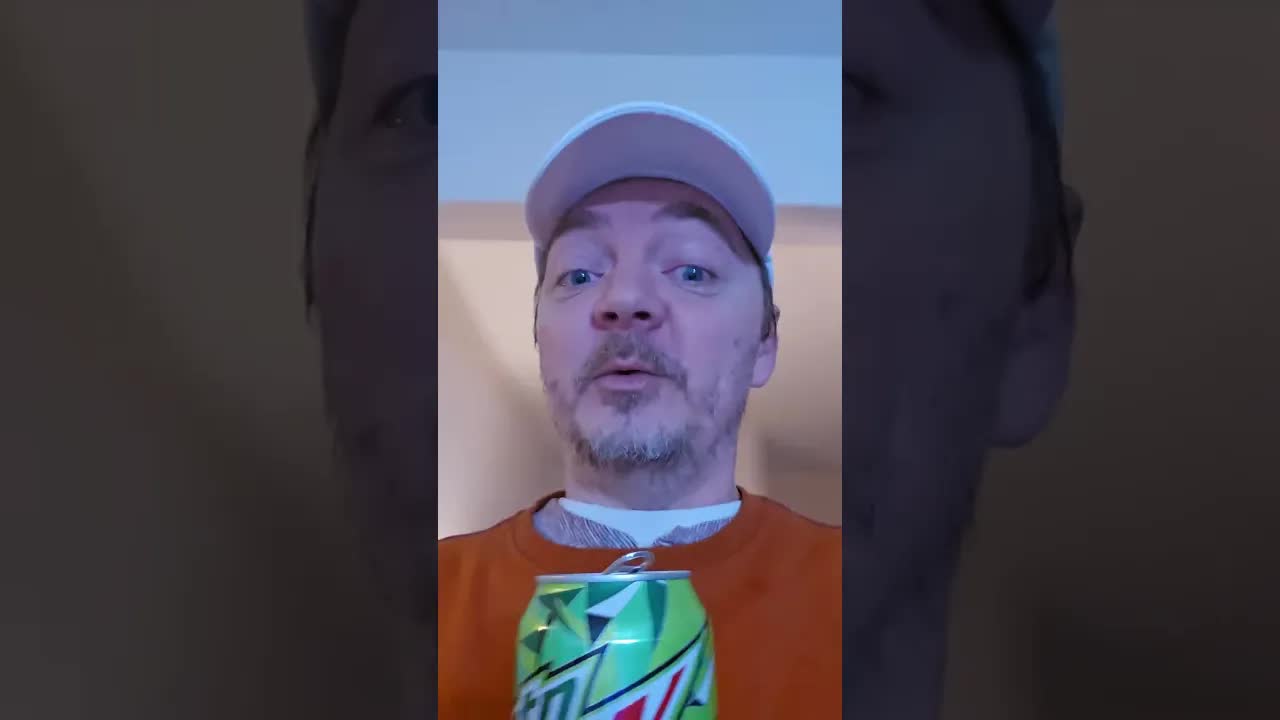
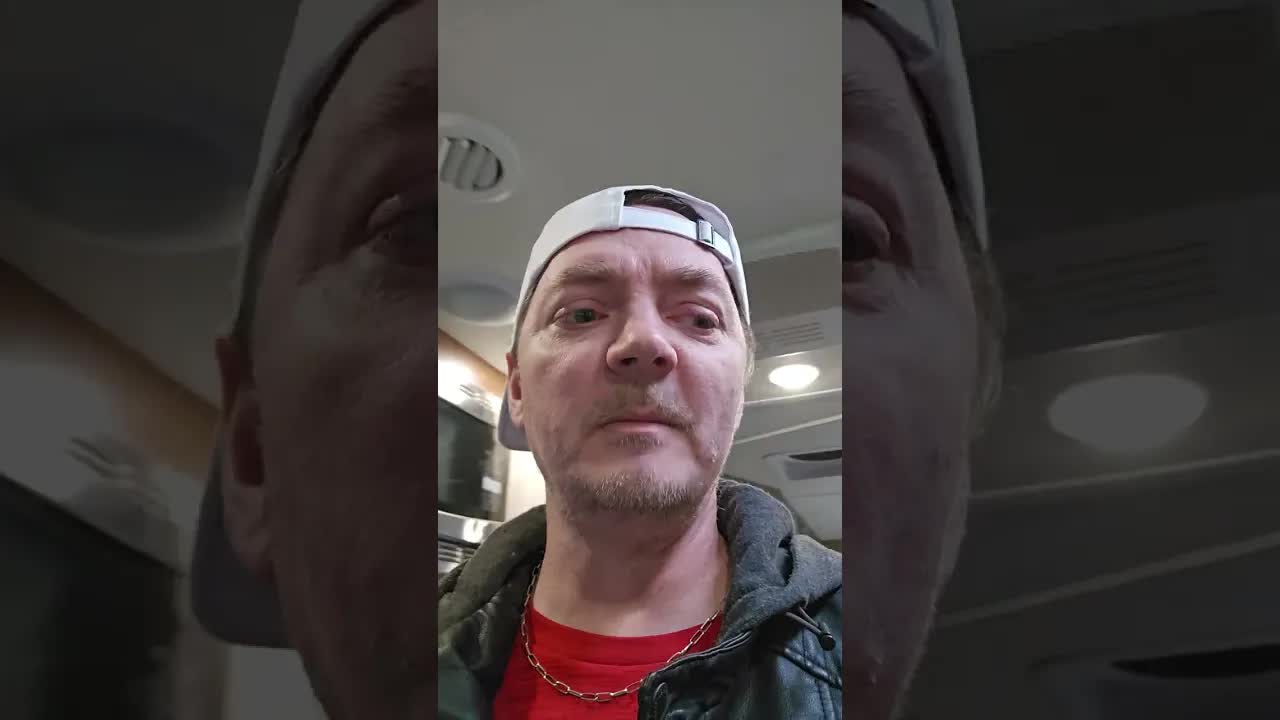
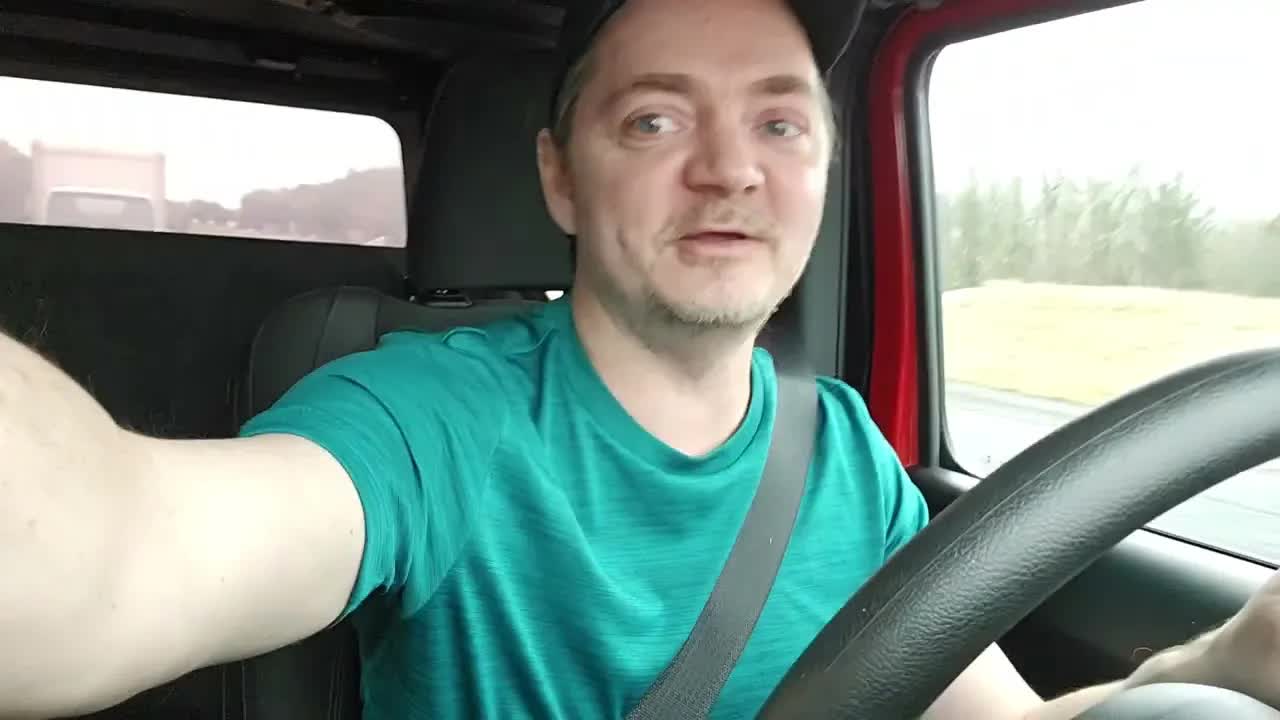
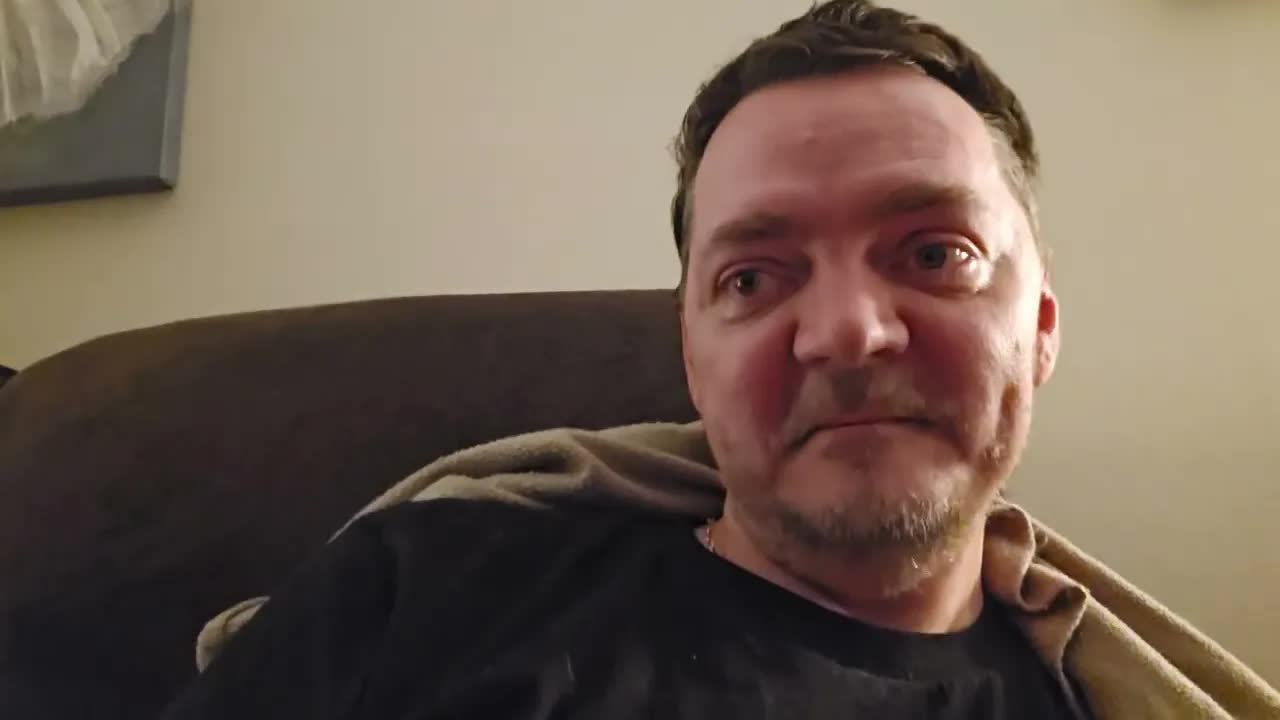
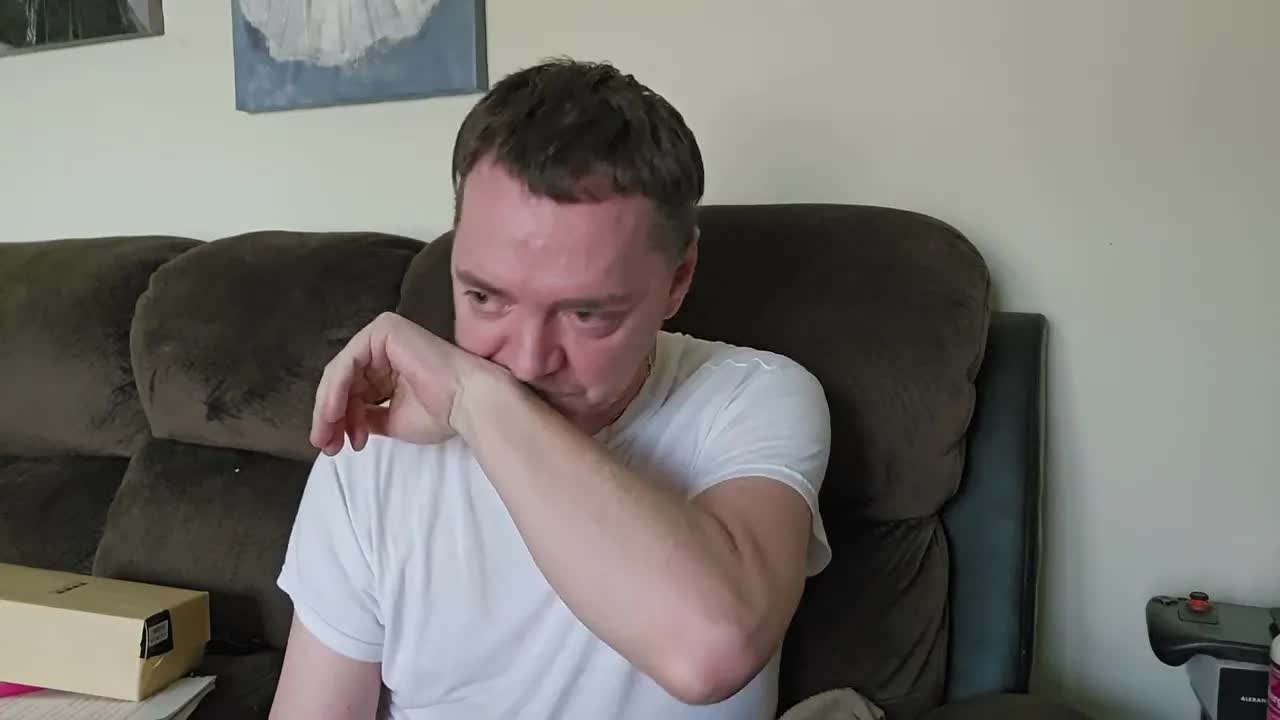
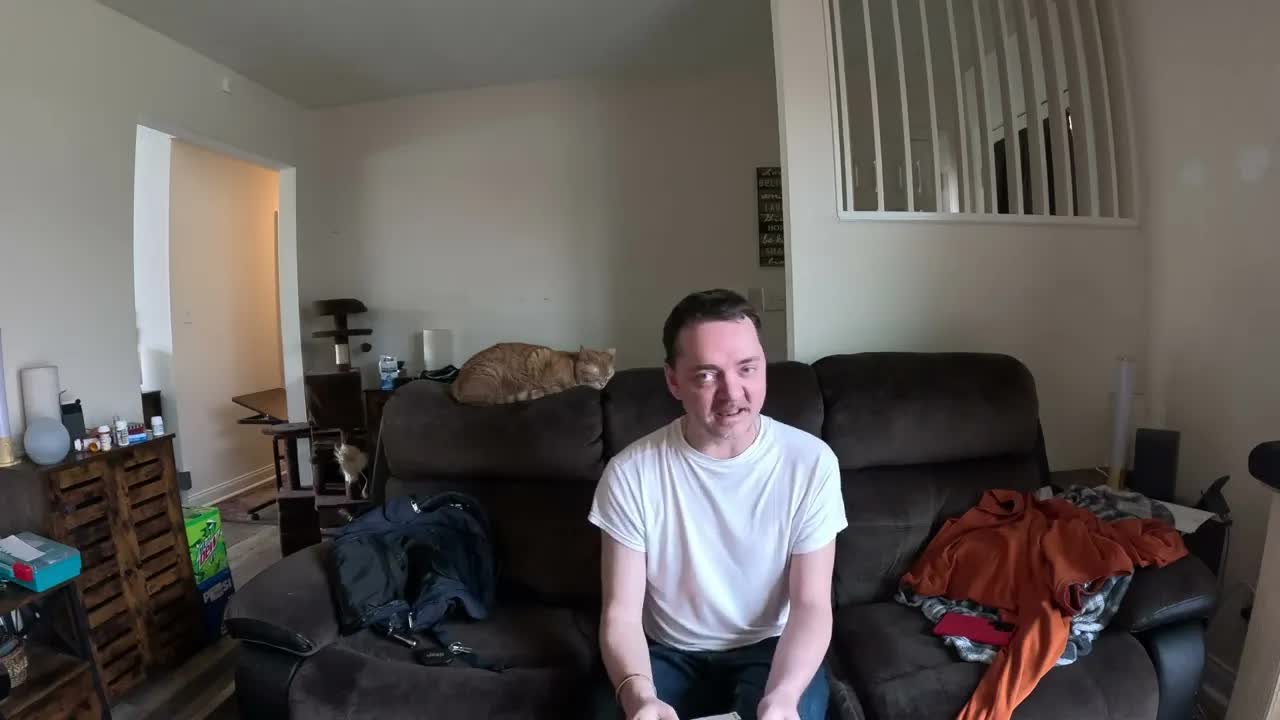
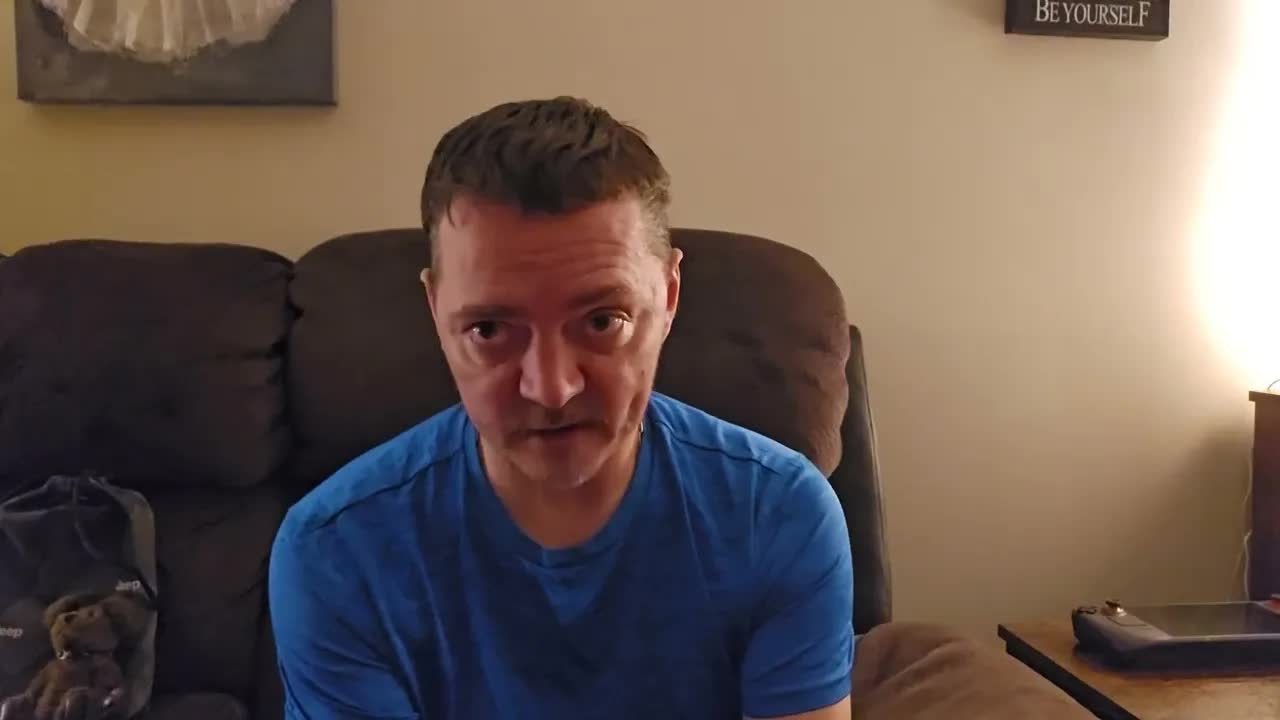
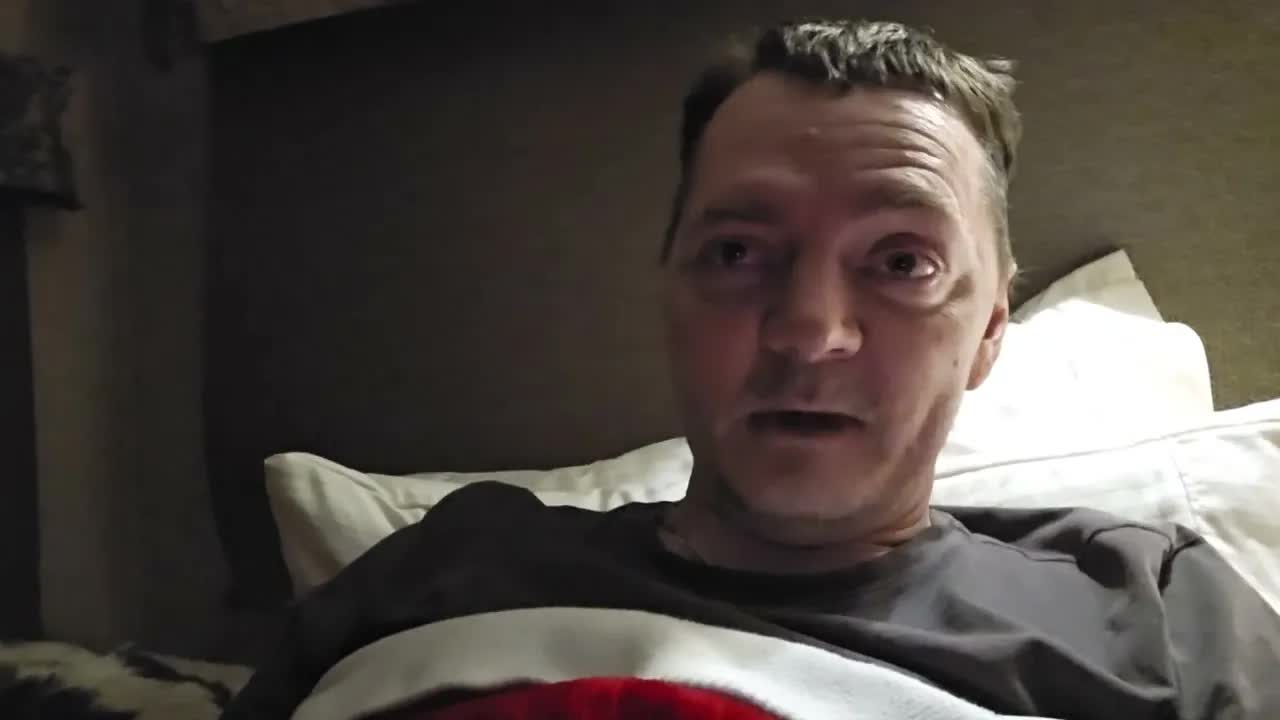
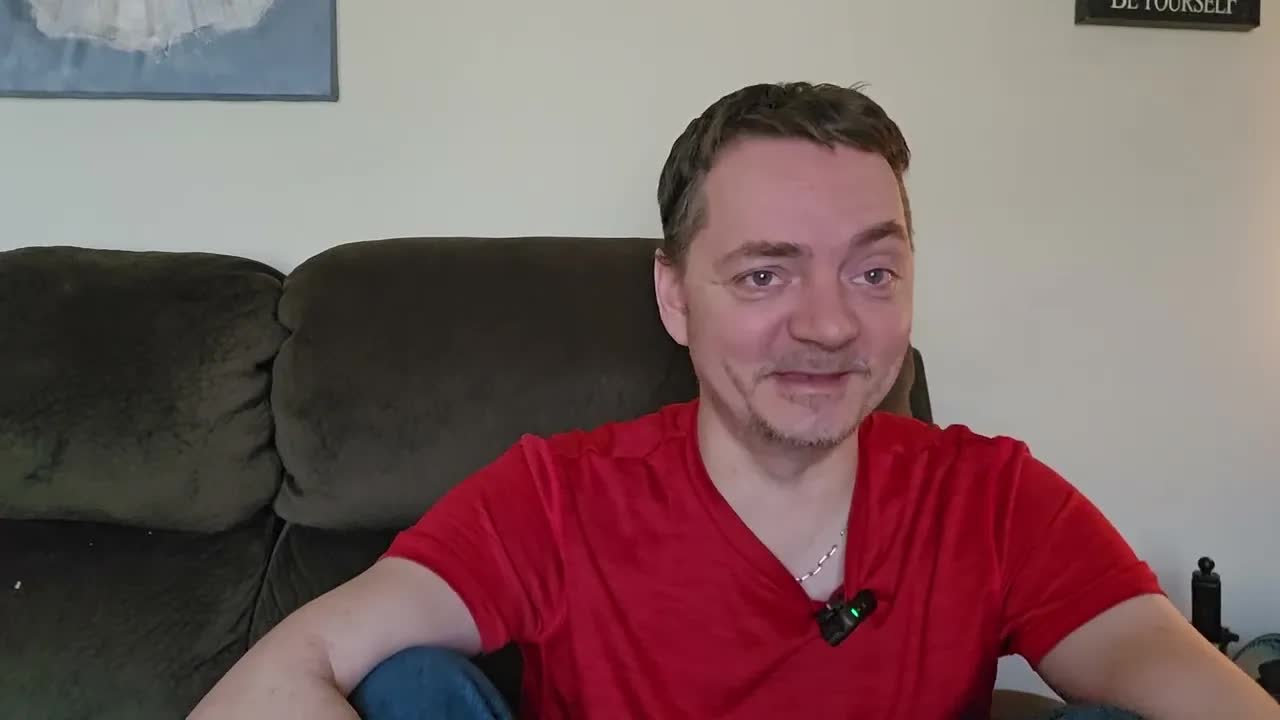
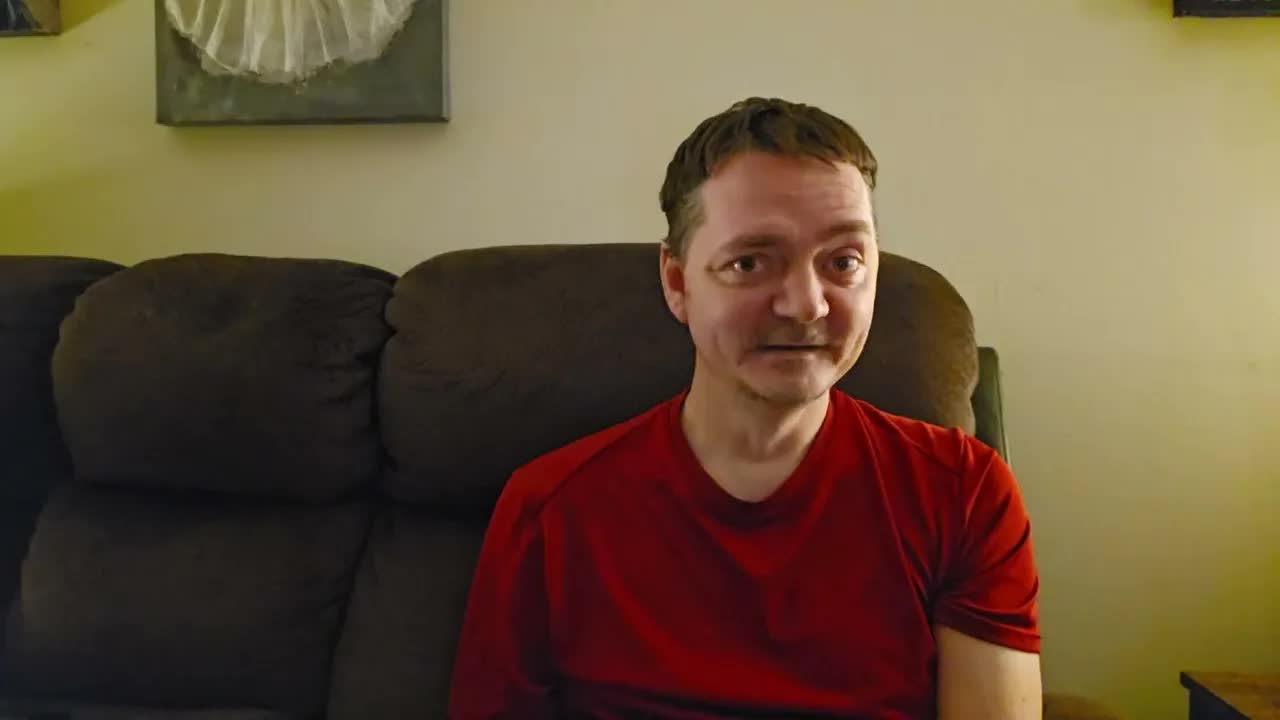
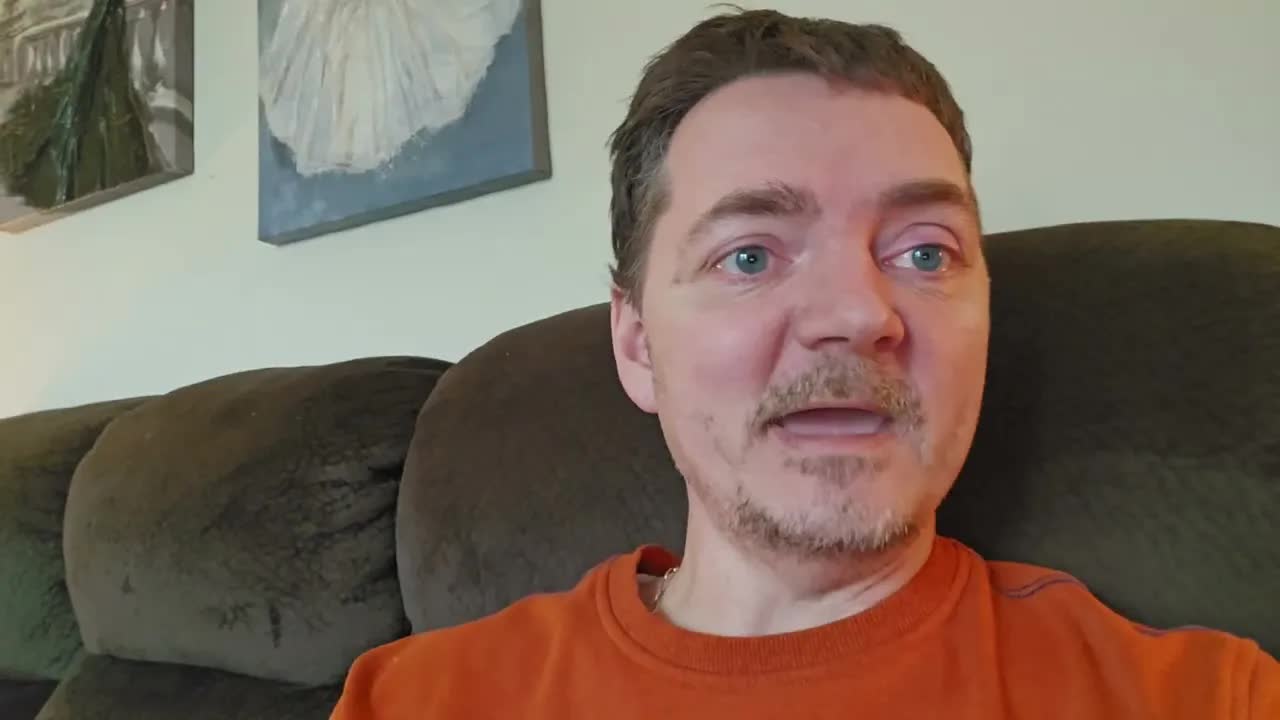
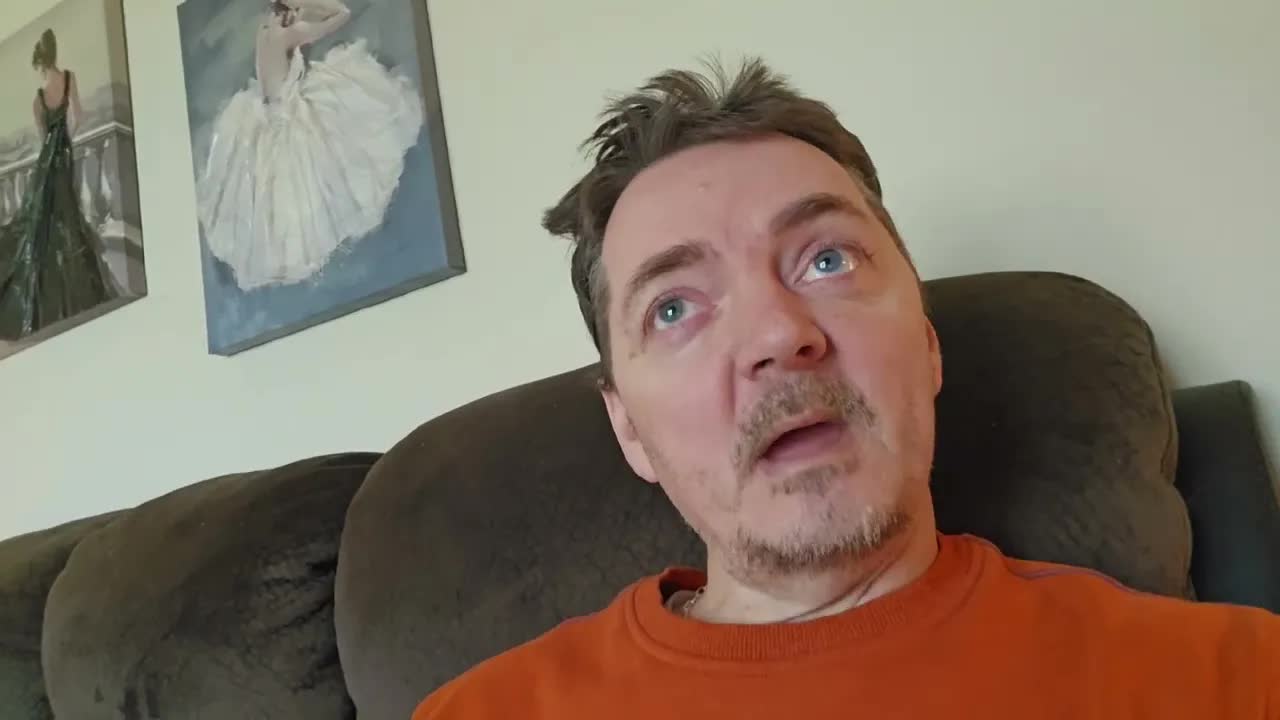
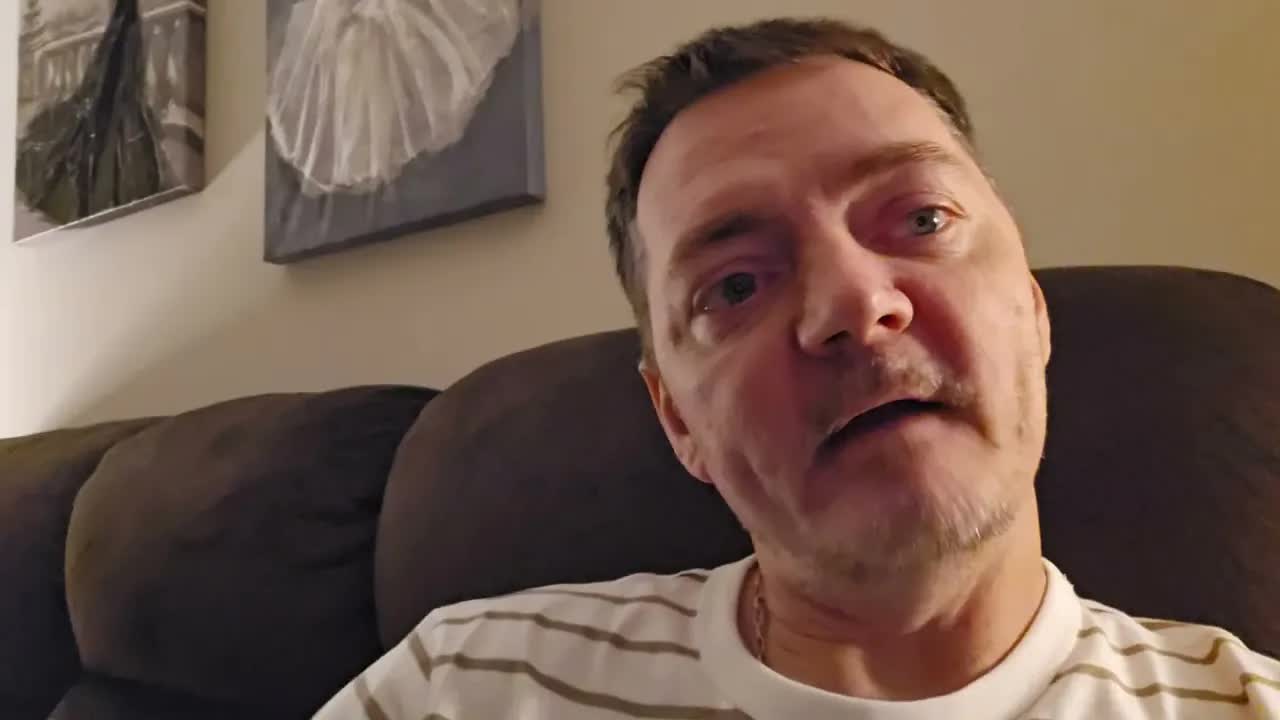
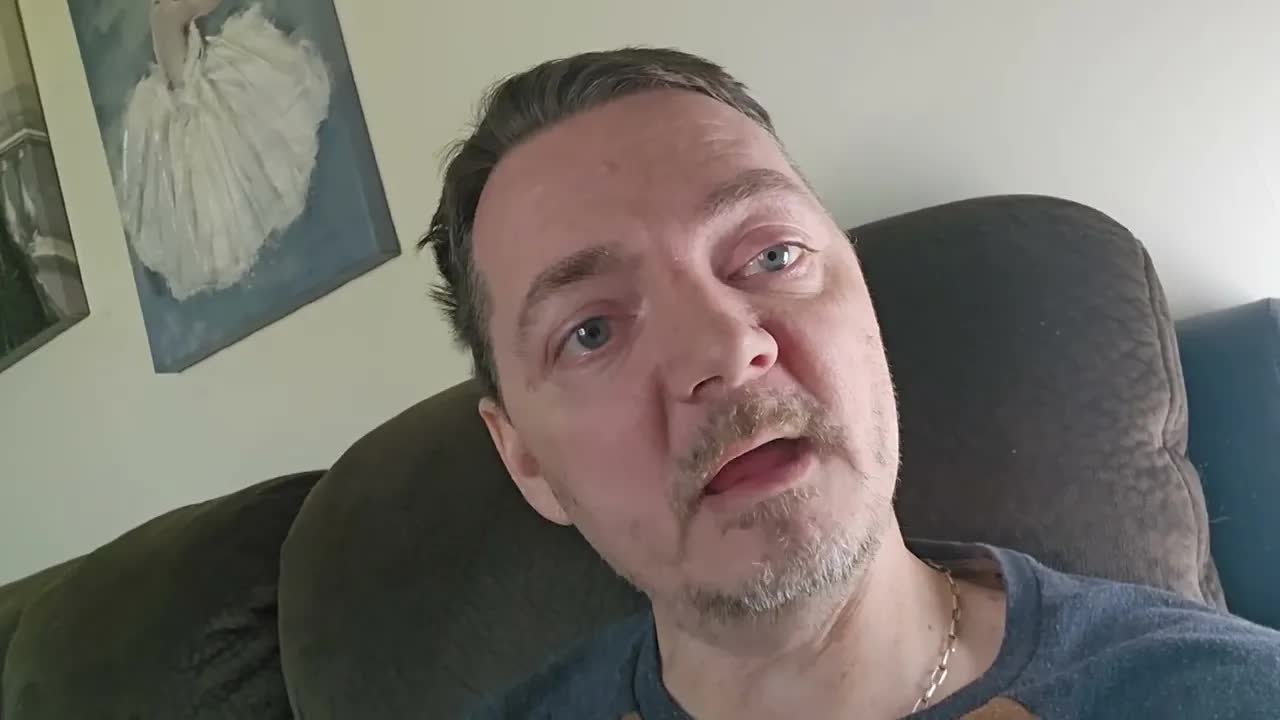
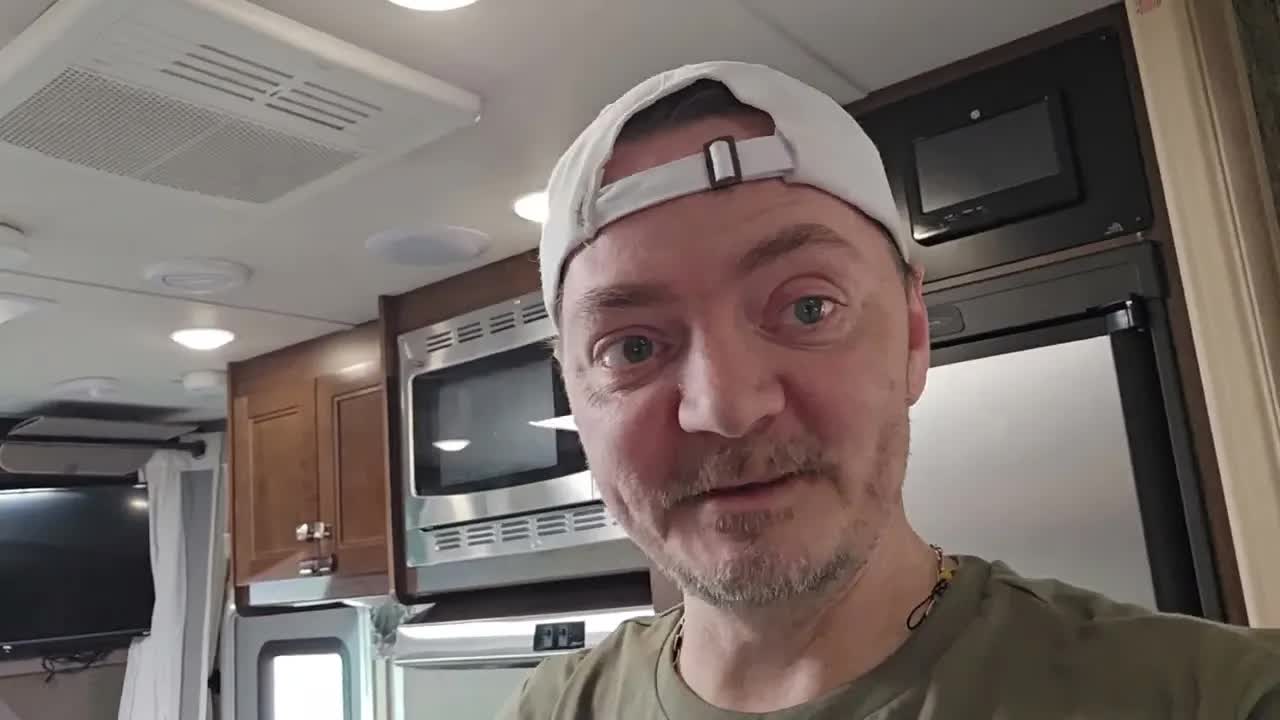
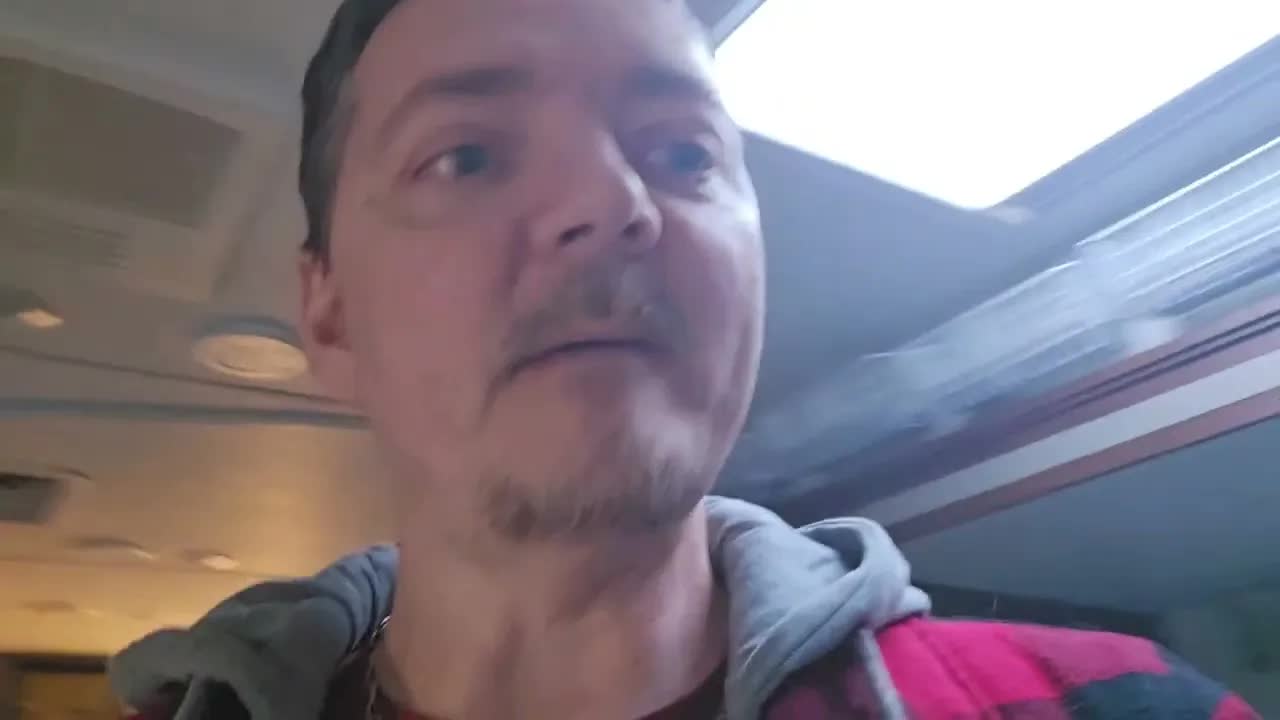
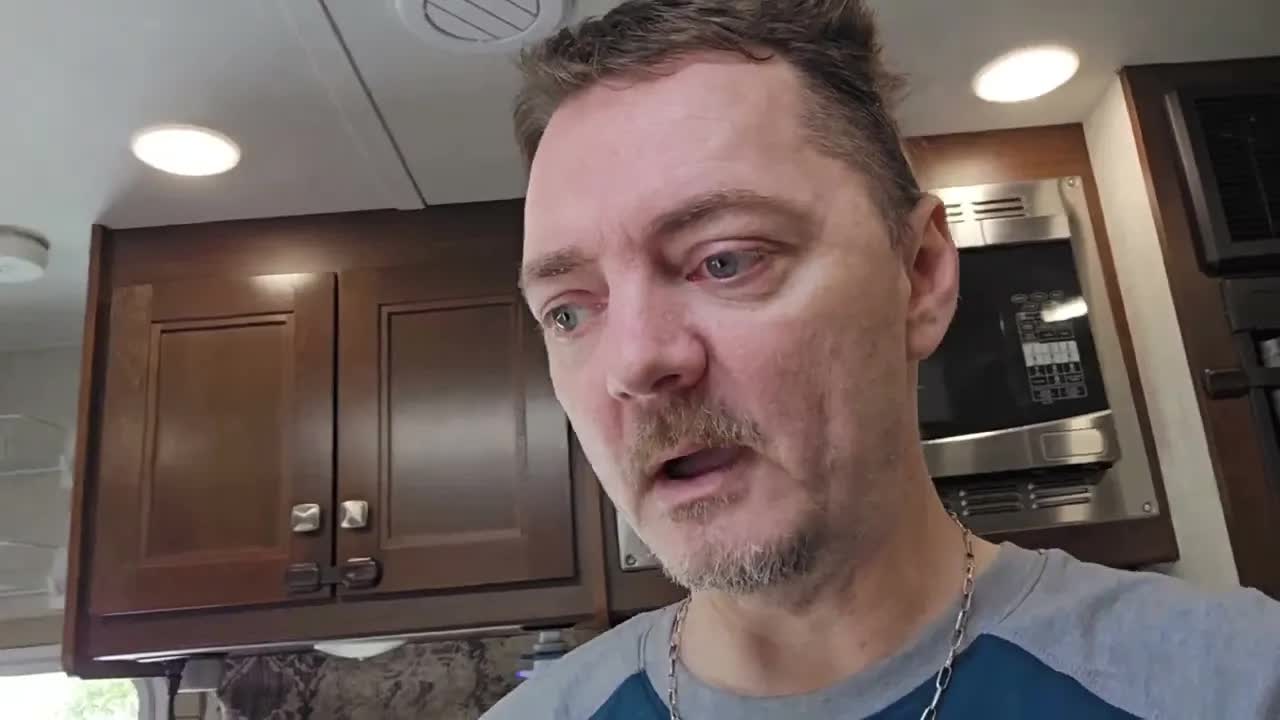
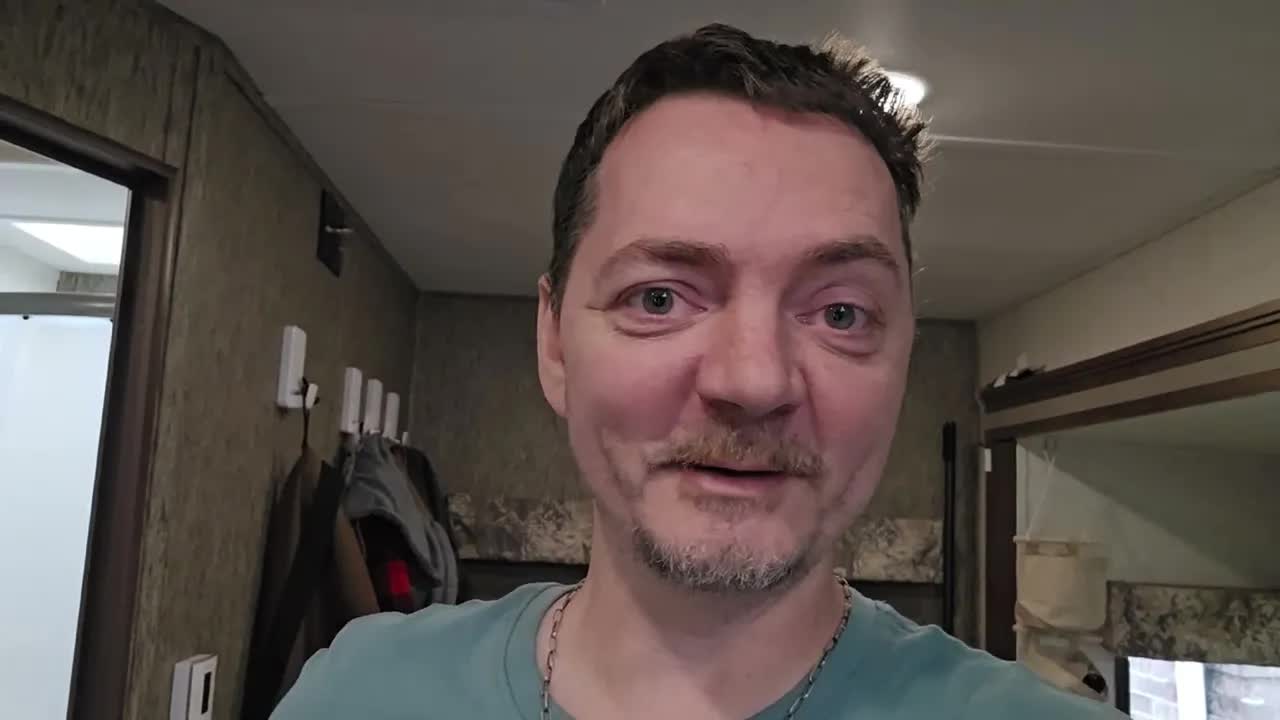
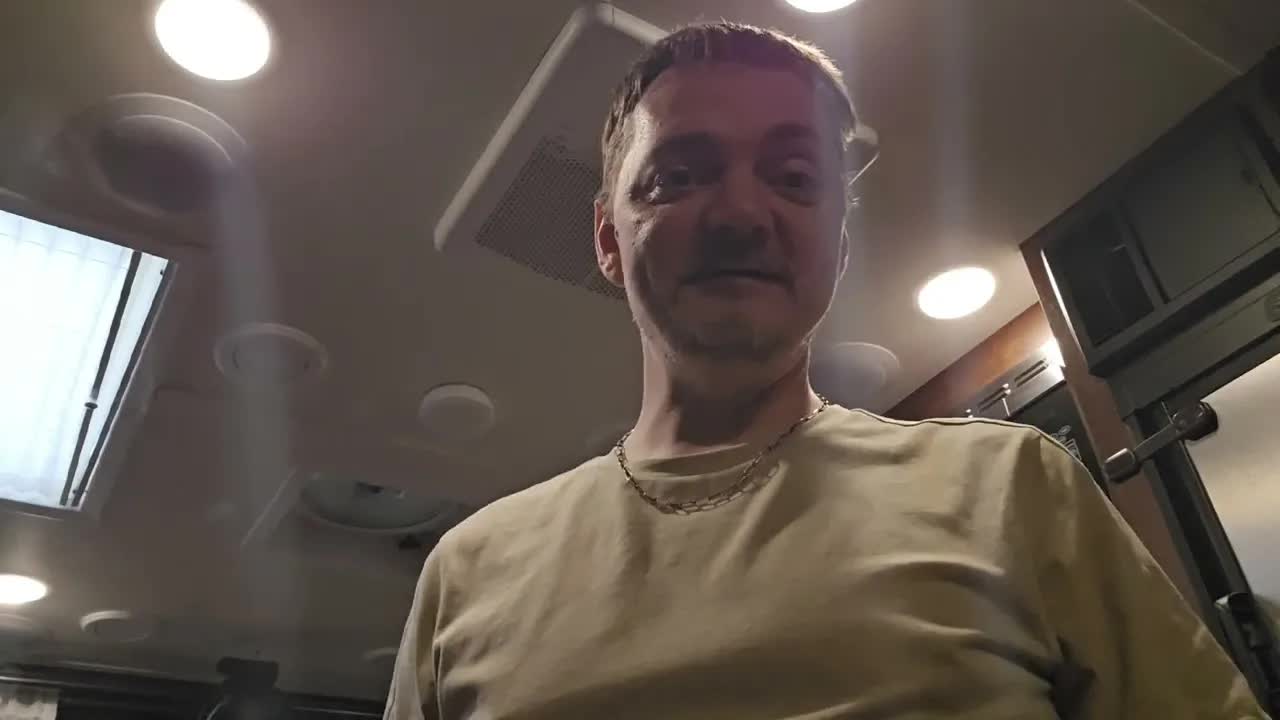
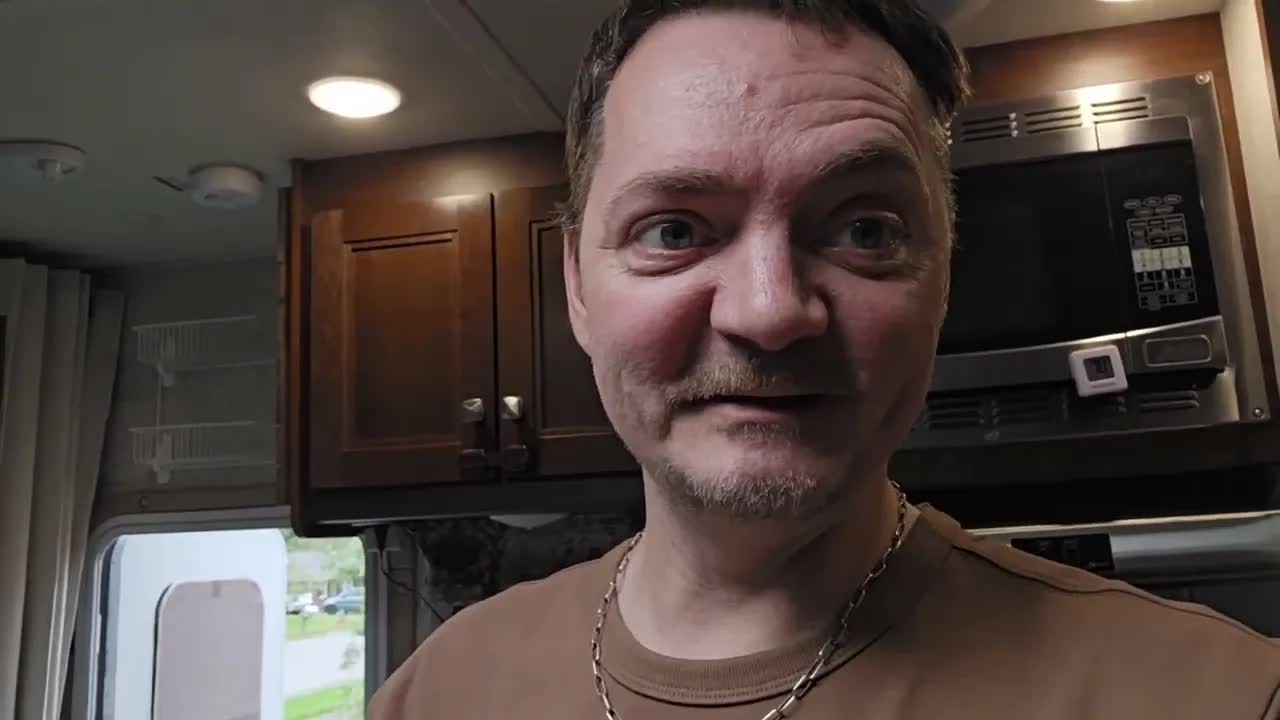
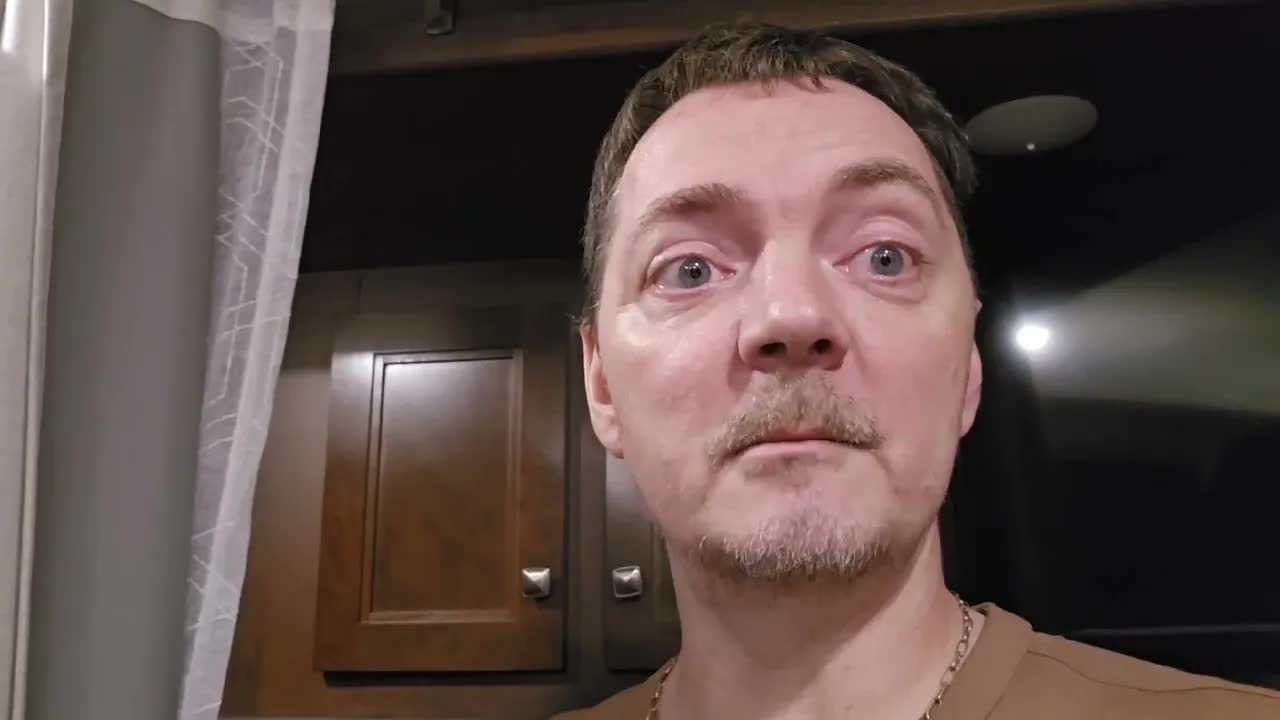
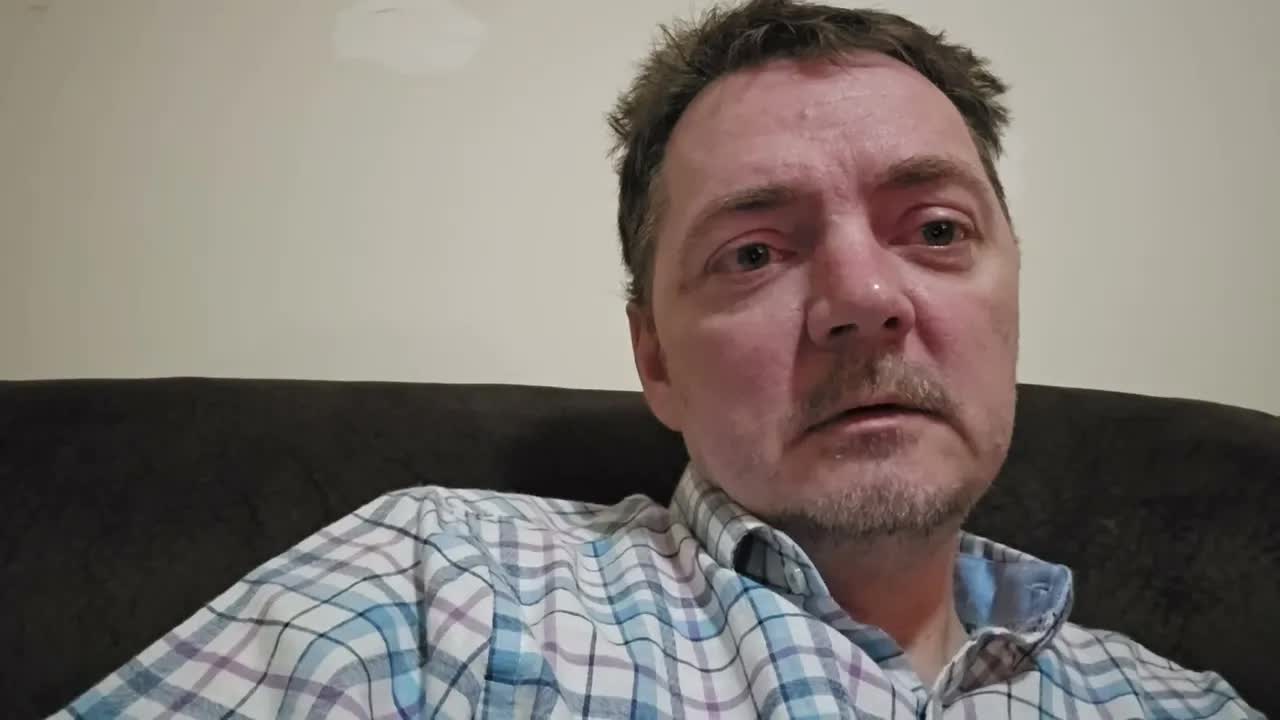
rswfire opens a first video transmission stating he has not scripted it and wants the record to begin at the point of decision rather than after the fact. He states he is **46, turning 47 in two months**, has no teeth, attributes this to lifelong Mountain Dew consumption, has bottom and temporary top dentures he cannot wear due to a gag reflex, and has **implant surgery scheduled in two days**. He declares the core decision: **sell the contents of his house, buy a camper, and live the RV lifestyle**. He describes an earlier version of this plan roughly twenty years prior — a pop-up camper, a winter drive to a New Jersey client, no cooking or shower capacity — which he abandoned. He notes a **December land purchase intended to become his own campground fell through over a title issue**. On equipment, he works through the constraint chain: his **2023 Jeep Wrangler** tows only 2,000 lbs; Class B vans lack room for his **two cats, Bailey and Oliver**, both taken in after abandonment. He concludes on a **Class C towing the Jeep**, new or used undecided, with boondocking as an interest. He states he is a programmer since childhood with income to fund the transition and a continuing need to work, describes himself as an introvert who has stayed largely in his house since COVID, names driving and towing as his stated fear, and frames the practice as becoming comfortable with discomfort.
Photos (8)
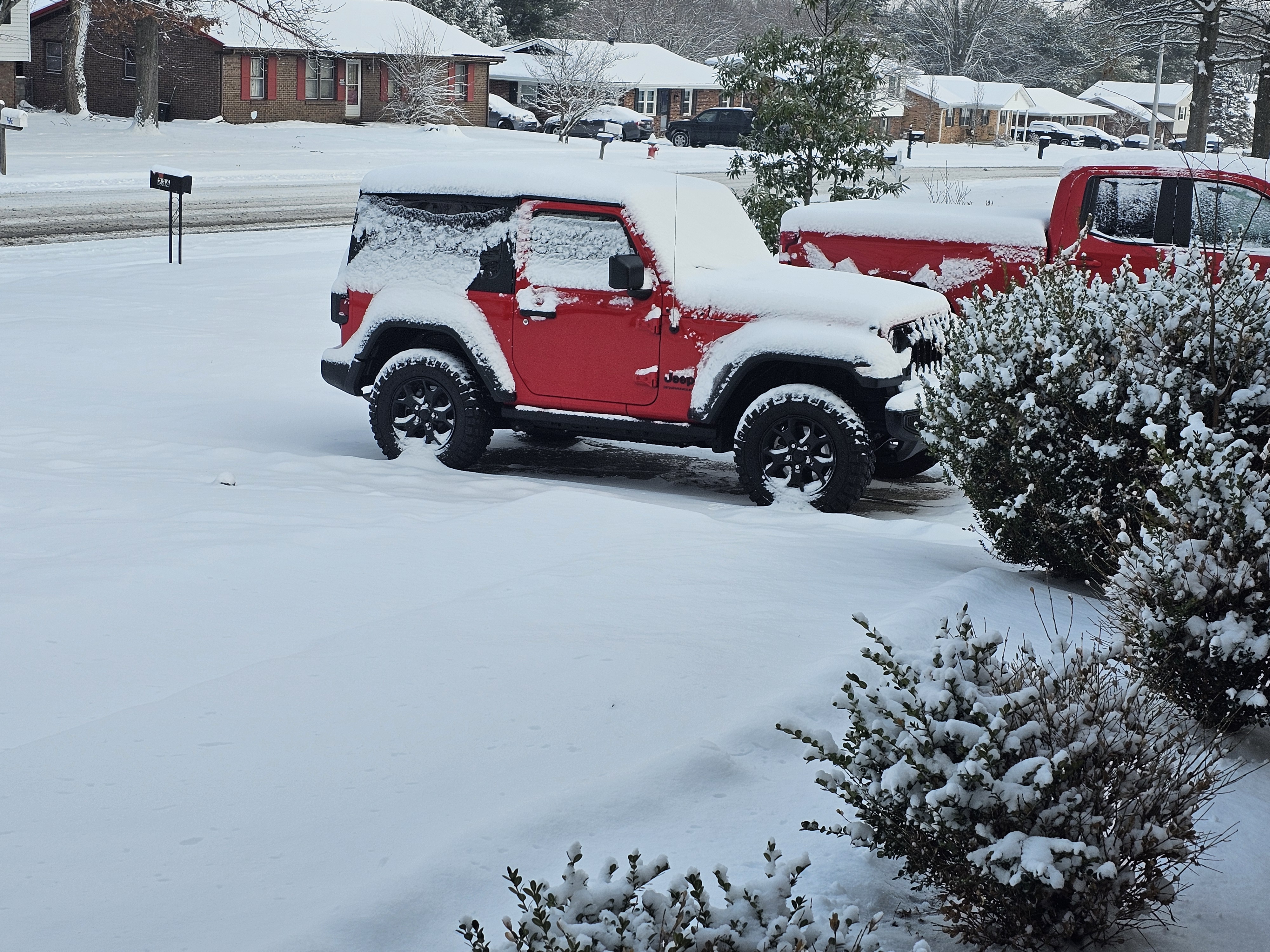
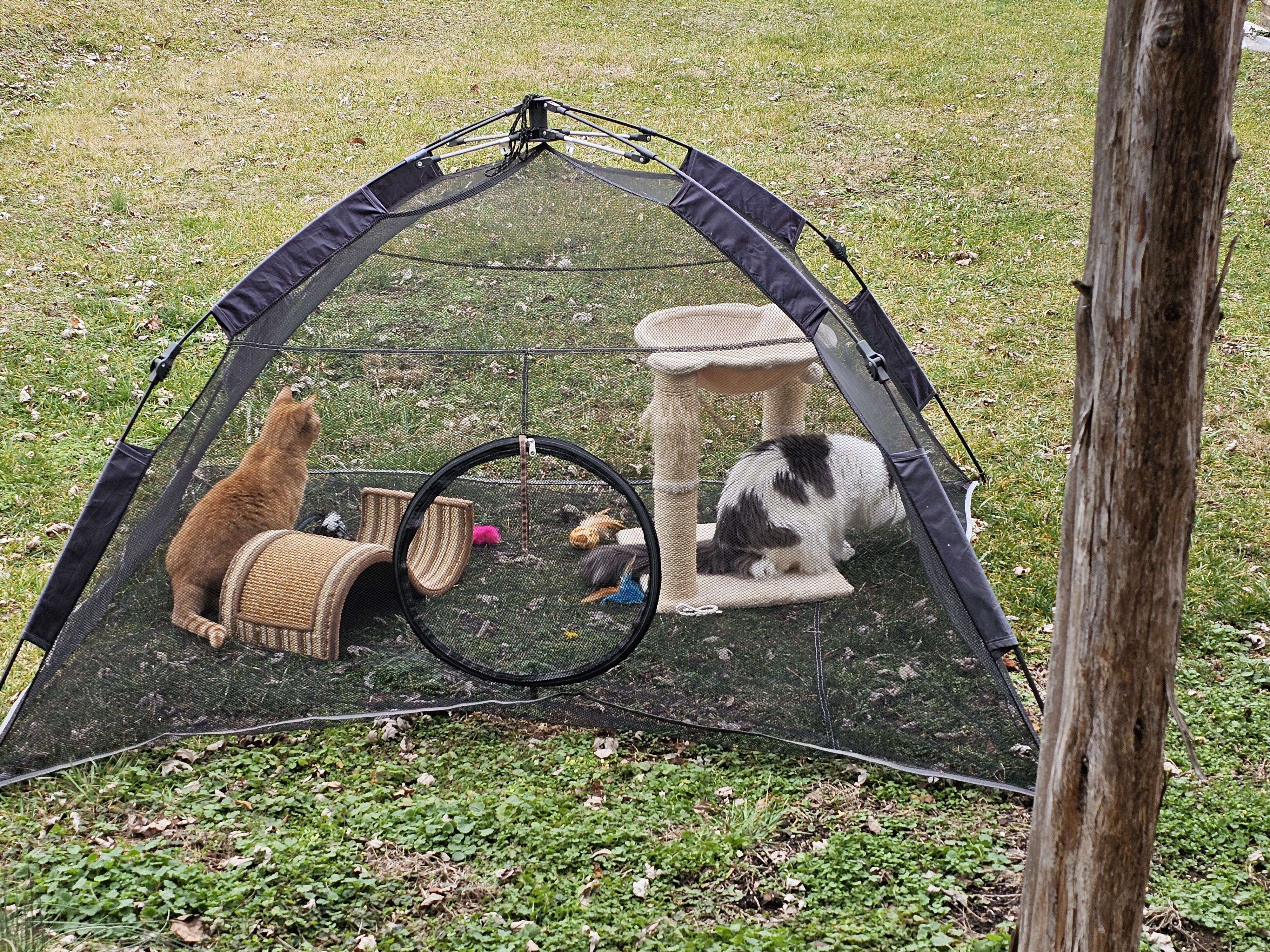
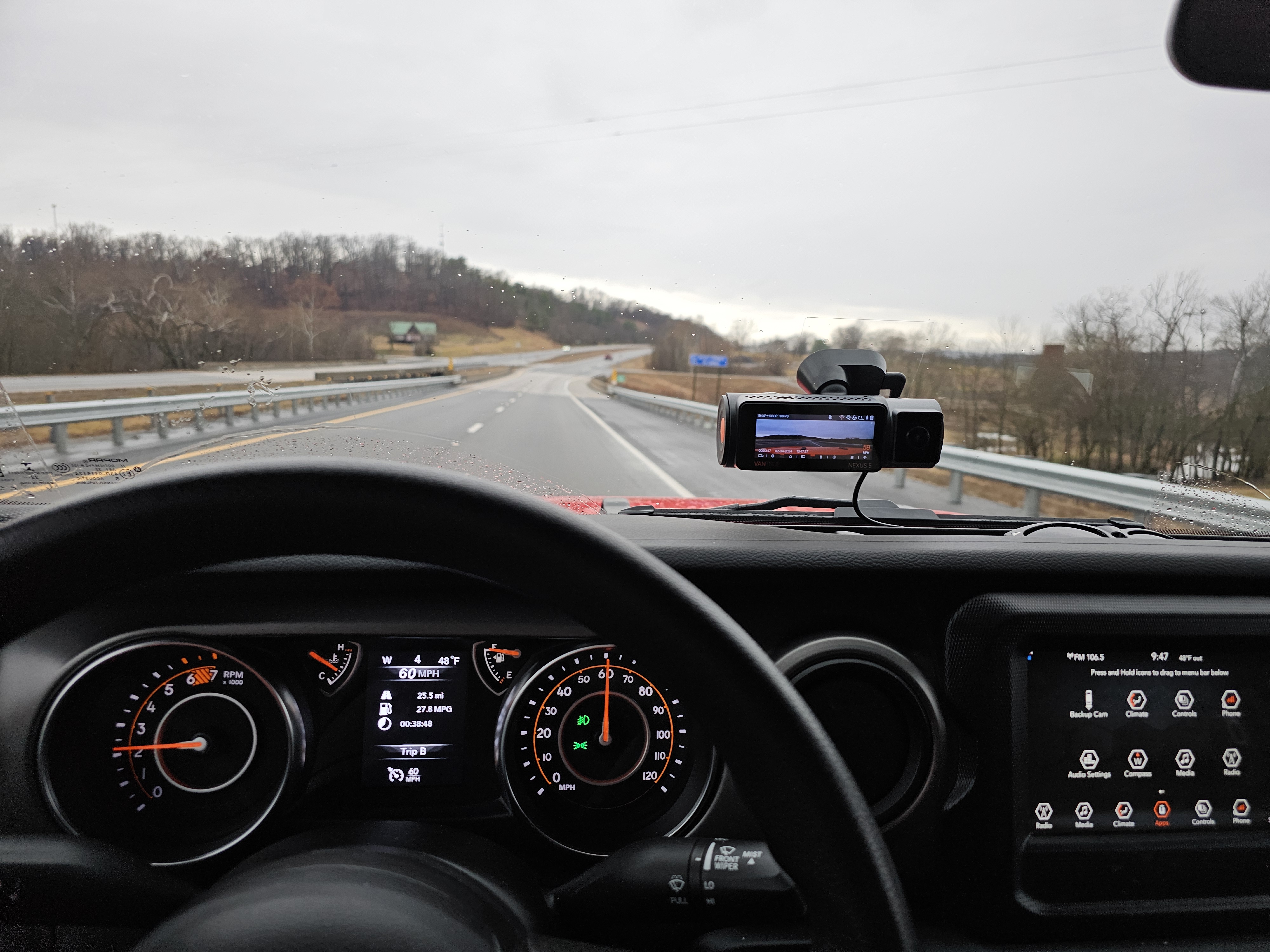
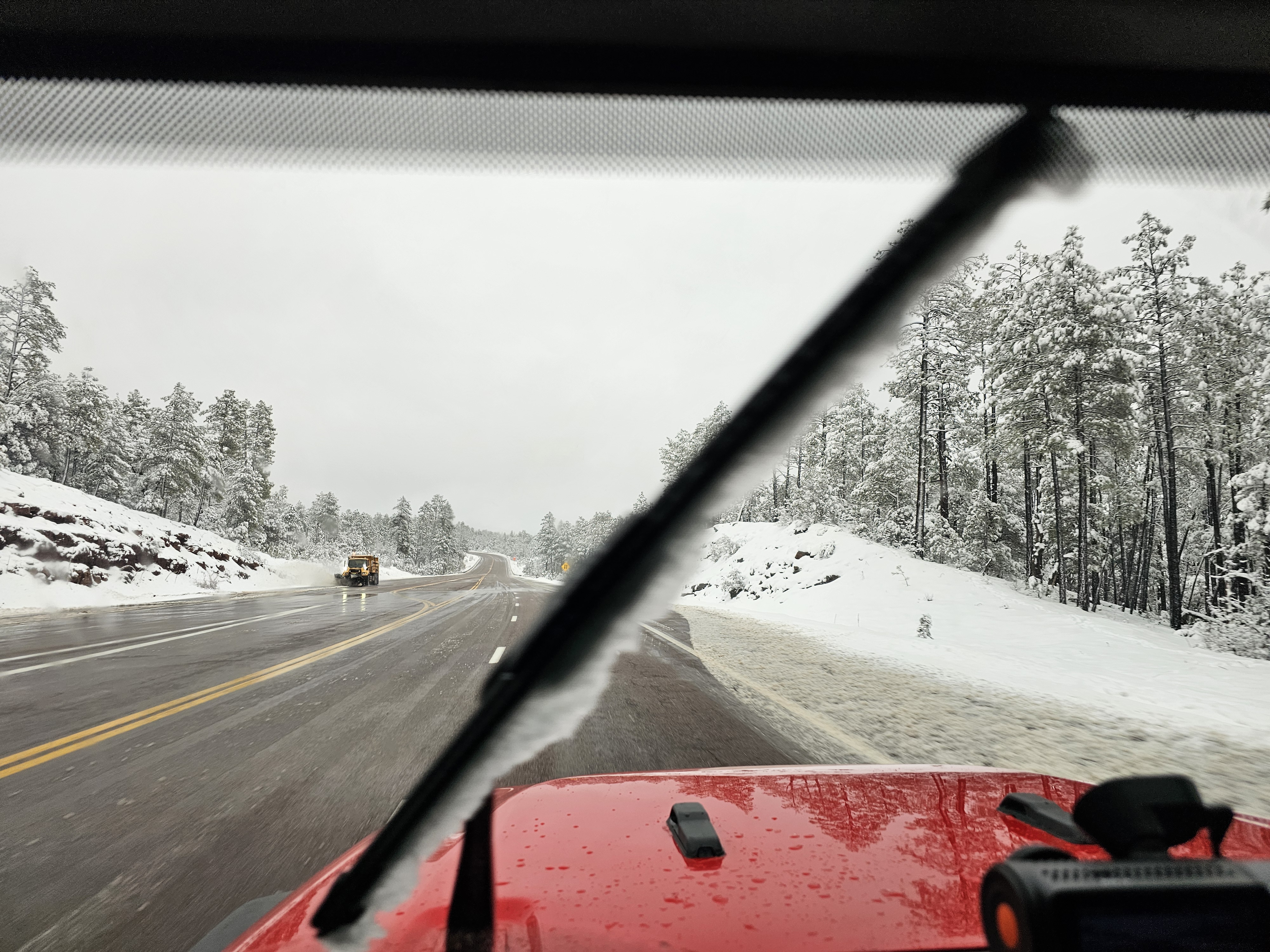
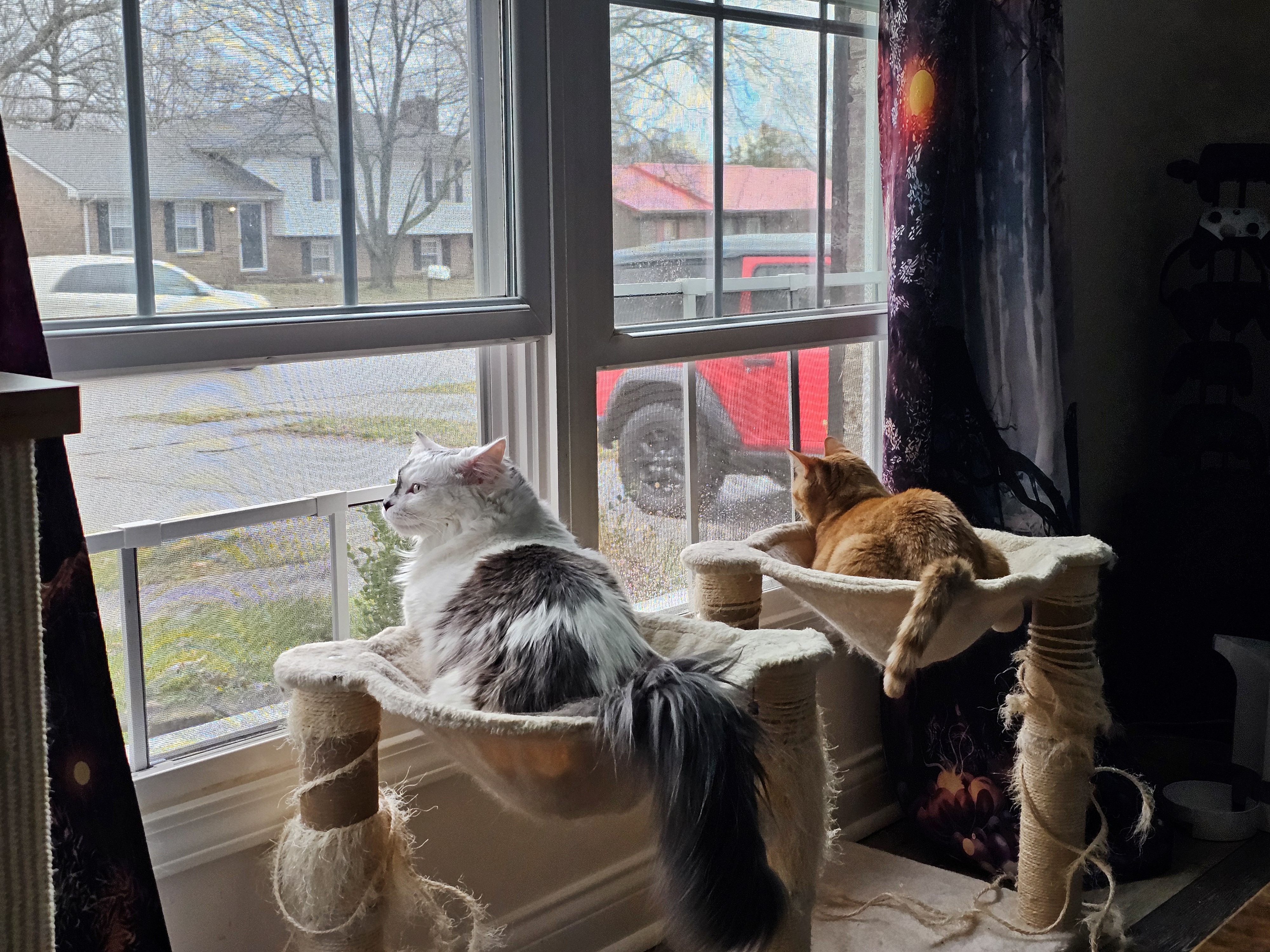
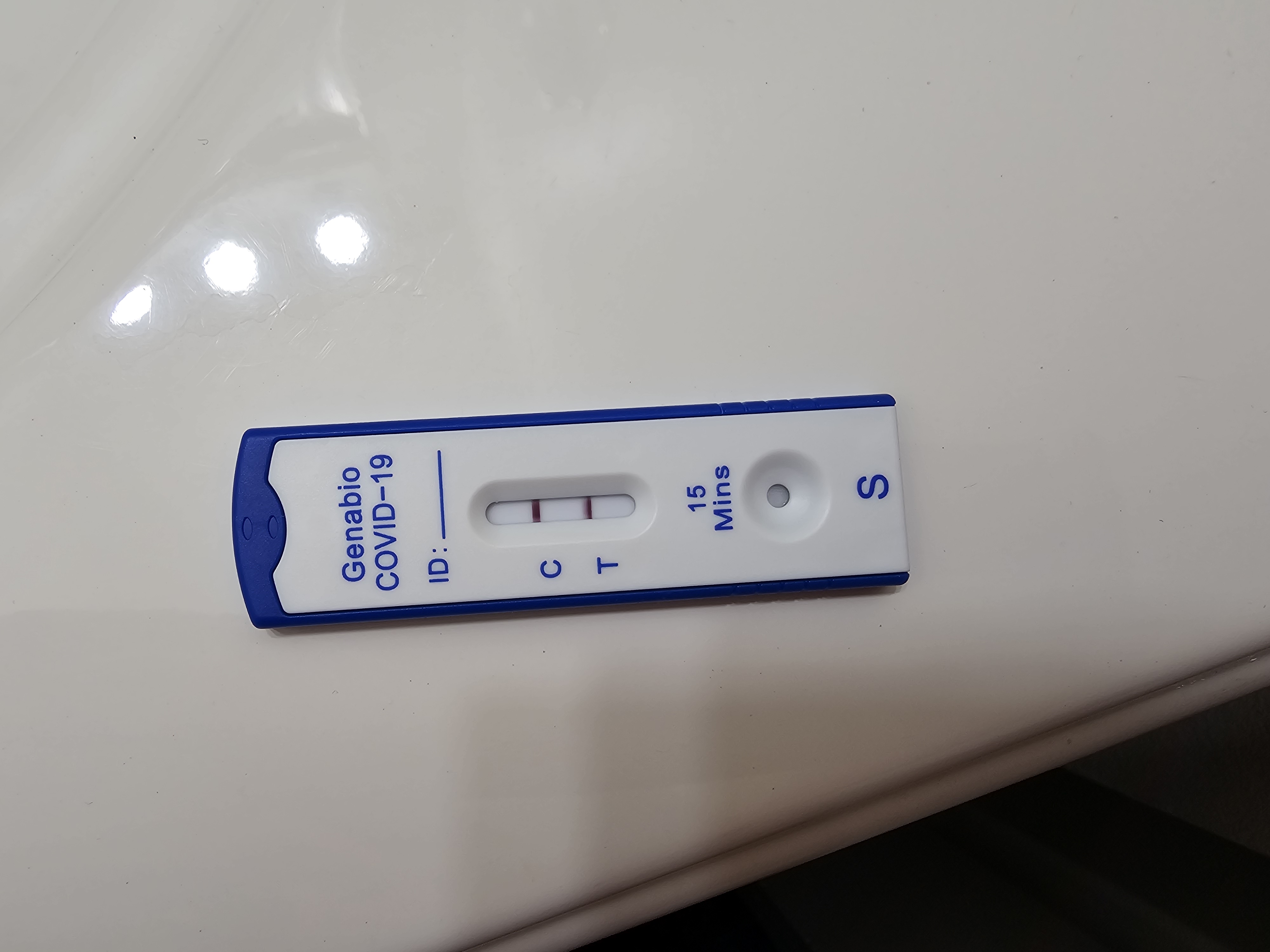
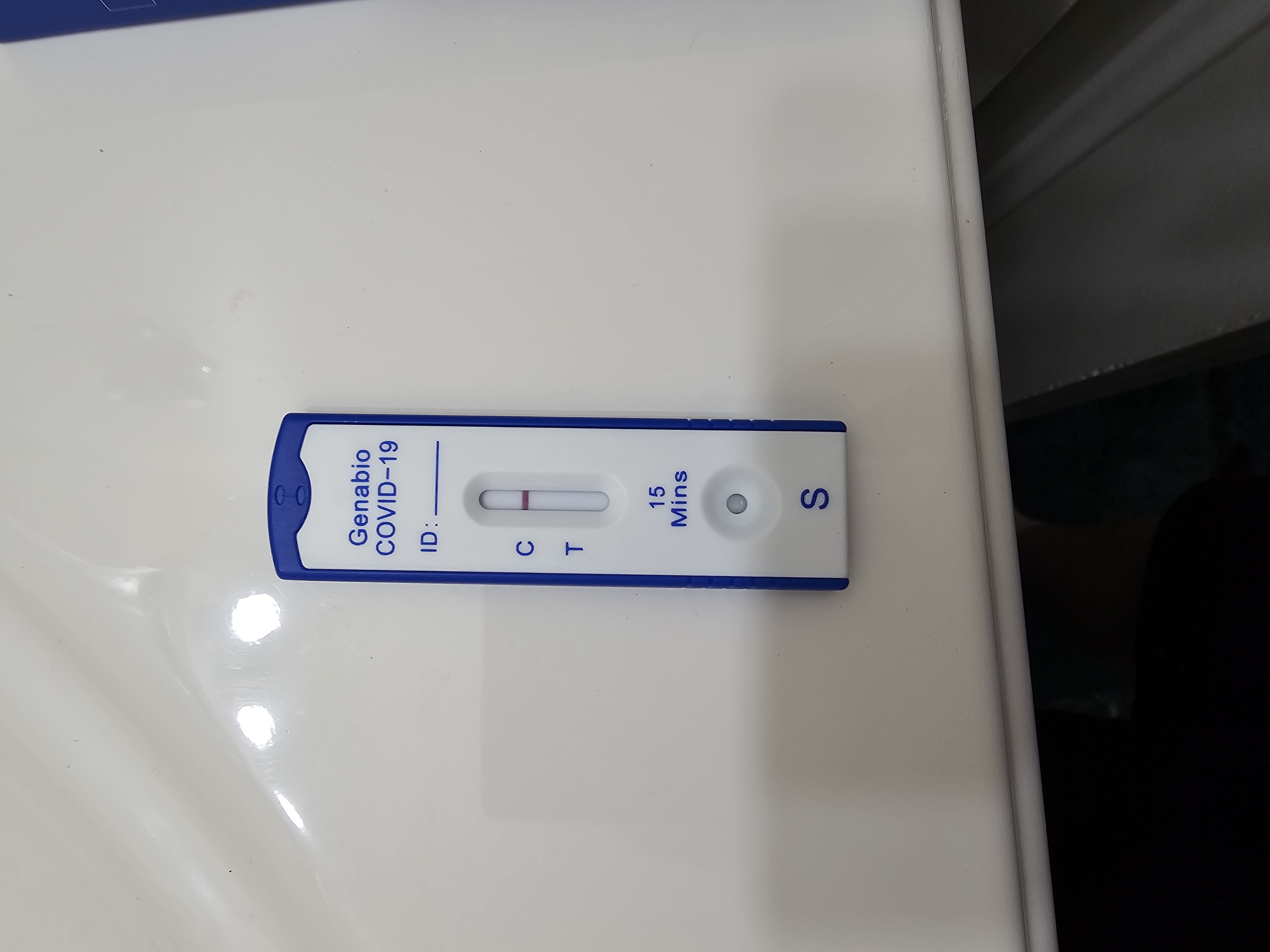
Cluster Analysis
Substrate
Tags
Dominant Language
Entities
Actions
Performed
- • capturing photographs at intervals across January
- • maintaining the archive without commentary
- • traveling to Arizona and returning home by road
- • announcing the decision to live full-time in an RV on video
- • starting and sustaining a daily YouTube transmission
- • touring dealerships and placing a deposit
- • securing RV financing and selecting the lender
- • taking delivery and driving the RV home
- • naming the rig Caroline
- • undergoing oral surgery for four jawbone implants
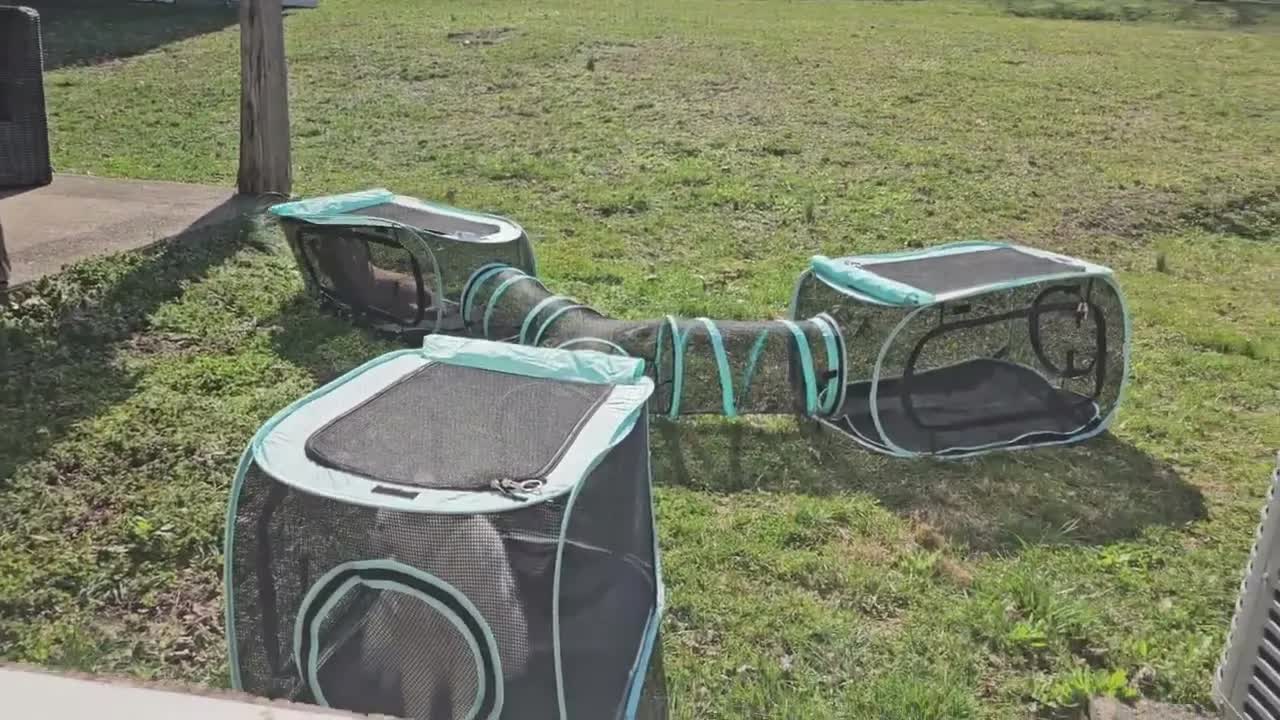
- • assembling an outdoor cat enclosure
- • acclimating Bailey and Oliver to the RV one at a time
- • sleeping in the camper for the first and subsequent nights
- • leveling the rig on a sloped driveway with stacked blocks
- • insulating kitchen, living area, underbelly, and access panels with Reflectix and rigid board
- • tracking interior temperature against outside temperature
- • redoing insulation work judged not good enough
- • tracing a blown fuse behind a panel the dealership said not to open
- • diagnosing stuck stabilizer jack and non-functional black and gray tank cables
- • calling a mobile RV technician
- • having a tow package and dash cam installed on the Jeep
- • recalculating cargo weight limits and towing capacity
- • registering the Jeep and passing RV inspection
- • purchasing and testing GoPro, SD cards, microphones, camera system
- • installing and commissioning solar panels with his father
- • giving notice to break the lease effective April 30
- • sorting and divesting possessions
- • holding position on public disclosure under family pressure
- • correcting channel drift toward metrics
- • launching a Discord server
- • booking the first month of campgrounds
- • setting April 11th — his 47th birthday — as the departure date
- • retracting the slide and securing the rig for travel
- • filming and editing his first edited video
- • documenting cost figures publicly, including a $5,345 towing quote against a $2,000 budget
- • crediting Brandon, Brian, his father, his mother, and Caroline's RV Life by name
Referenced
- • taught himself to code in sixth grade
- • prior periods of homelessness
- • leaving a prior career and life described as not his
- • lifelong Mountain Dew consumption named as cause of dental loss
- • prior full extraction and implant surgery
- • intended purchase of 18 acres in Campton, Kentucky for a campground
- • week-long trip to Arizona while his mother watched the cats
- • five months of ChatGPT-4 use beginning in November/December
- • watching Caroline's RV Life before starting
- • ruling out Class B vans early in the search
- • COVID infection in February
- • relationship history — last boyfriend in his late twenties
- • adopting Bailey at a day old and Oliver with a chronic eye condition
Planned
- • depart April 11th for Barren River Lake State Resort Park
- • vacate the house by April 30
- • sell all remaining belongings
- • start full-time travel on the West Coast
- • boondock as the primary camping mode
- • receive final teeth in three months
- • continue insulation and buildout projects
- • learn editing software and upgrade capture equipment
- • keep the record unedited and self-directed rather than metric-driven
- • possible merch through an apparel company he has managed platforms for
Symbolic Elements
Ontological States
-
•
documentation as standing infrastructure (the record runs at interval before there is anything to report, then absorbs the build without changing mode)
-
•
sovereign authorship (deciding the terms, the date, and the disclosure himself; holding position against family pressure on what is made public)
-
•
chosen houselessness (the RV as elected structure, explicitly differentiated from prior homelessness — absence of fixed address as design, not deficit)
-
•
learning in the open (competence built on camera; errors, cost overruns, and unknowns entered into the record at full resolution)
-
•
threshold occupancy (living inside a system still being built — driveway shakedown as the interval between two dwellings)
Subsystems
-
•
documentary/media (the through-line — photographic capture in January, positional markers in February, then a daily YouTube transmission, GoPro and camera upgrades, first edited video, Discord; the record is continuous across all three phases)
-
•
thermal (insulation, propane furnace, ceramic heater, tracked interior/exterior temperature as the central habitability metric)
-
•
electrical/power (fuses, wiring, hidden access panels, two solar panels commissioned for off-grid capability)
-
•
mechanical/drivetrain (towing setup, brake upgrades, cargo weight limits, stabilizer jacks, leveling blocks)
-
•
plumbing/waste (black and gray tank cables, mobile-tech diagnosis, self-sufficiency in system maintenance)
-
•
navigation/mobility (the Arizona circuit, dealership runs, delivery drive, campground booking, the westward arc — long-distance traversal as standing capability)
-
•
financial (loan approval and rate comparison, $5,345 towing quote against a $2,000 budget, lease-break cost, liquidation of possessions)
-
•
somatic (dental implants and pain, sleep durations logged nightly, arm soreness from driving, cat allergies, smoking disclosed on camera)
-
•
relational/family (father and mother as build labor and presence, boundary held on disclosure, load-shedding of obligation)
-
•
animal care (enclosure, containment, transport, acclimation — dependents provisioned before self)
-
•
institutional/regulatory (dealership authority, Sheriff's Department inspection, registration, landlord jurisdiction and lease notice)
-
•
informational (ChatGPT-4, Facebook groups, installers consulted directly over forum opinion)
-
•
temporal (interval spacing in January, three-day trip phases in February, a 56-day countdown to a self-set date)
NARRATIVE
Between New Year's and his forty-seventh birthday, rswfire took three things apart — a household, his jaw, and a used motorhome — and rebuilt all of them to specifications he wrote himself. The house he did not rebuild. That was the point.
He began the year with a record that had no subject. Three photographs in January, held at interval, uncaptioned, reporting nothing. Then a run to Arizona and back, logged as to, from, home — three words that describe a shape rather than a trip, and that treat home as a fixed pole a person departs from and returns to. This is the condition that gets dismantled. Everything in the record at that moment assumes an address exists, that movement is a loop, and that the camera is a habit rather than a tool. By April all three assumptions are gone, and the first is gone on purpose.
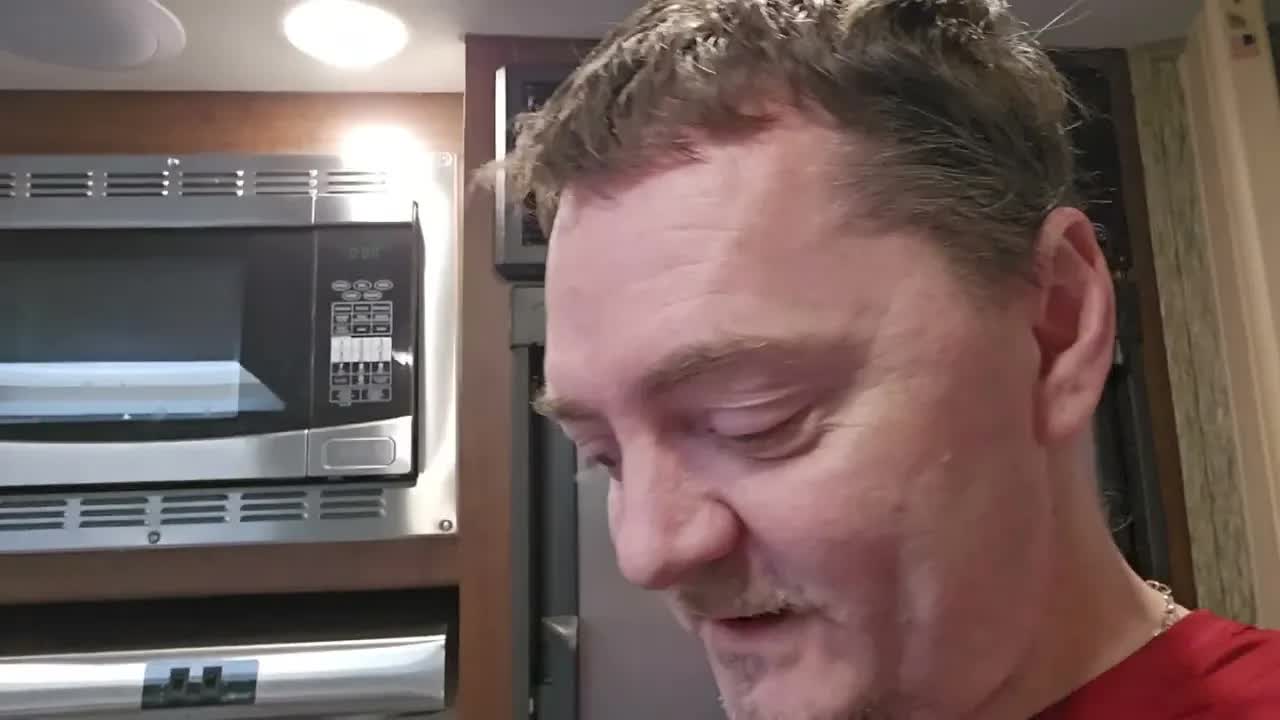
The turn is the purchase, but the substance is the method. Having bought a 2018 Forester at a dealership in Tennessee and driven it home to a sloped Kentucky driveway, rswfire proceeded to open it — every panel, hatch, fuse box, and tank cable, including the ones the manufacturer's convention says never to open. He tore insulation out and put it back in more than once. He measured 32°F inside a vehicle he intended to live in and treated that number as an argument to be answered rather than a verdict. What is unusual is not the labor; plenty of people renovate rigs. It is that he inverted the ordinary sequence. He did not become competent and then commit. He set the terms, named the date, and let competence arrive under the deadline, on camera, with the cost overruns and the $5,345 towing quote against a $2,000 budget left in. "I have no idea what I'm doing" is spoken into the record and kept there, which is a structural decision, not a confession.
The three dismantlings ran on the same clock and reinforced each other. Rooms filled with Amazon boxes while they emptied of everything that would not travel; a lease notice went out for April 30; teeth came out in full extraction and rods went into bone on a healing schedule that paralleled the rig's. A body being reconstructed while the dwelling is reconstructed while the house is reduced to what fits — the same operation performed at three scales, each one stripping a thing back to frame and reassembling it to a smaller, more portable, self-supplied specification. Solar panels replaced the grid. Two cats replaced the household. What survived the sort was the criterion for everything else.
The pressure came from family, and it came in two forms that had to be handled differently. His father wired and mounted; his mother handled cats and errands; the build absorbed their labor without complaint. But when the same people pressed him on what should be made public, he held position. That decision is the load-bearing one. He had already begun the YouTube channel at the moment of decision rather than at the moment of readiness, and had already corrected himself away from metrics and toward unedited documentation — so a redacted record would not have been a smaller version of the project, it would have been a different project. The insulation kept heat in a box. The refusal kept the transmission honest, and the transmission was the thing being built.
Habitability, in the end, was not settled by the thermometer. rswfire ran the numbers all winter — 40.8, 55, 60, 80 — but the verdict was delivered by Bailey and Oliver, acclimated one at a time, enclosed, and eventually simply at ease in a vehicle. Dependents provisioned before self is a standing pattern in how he operates; here it doubles as the only test that matters. A shelter is a shelter when the animals stop noticing it.
On April 11 the slide retracted and the dwelling folded back into a vehicle. He had chosen the date before he knew whether the rig could meet it, and then made the rig meet it — the birthday and the departure sharing a marker, which reads less like symbolism than like a refusal to let readiness be the thing that decides. What changed across the winter is small to state and total in effect: home stopped being the place the circuit returns to and became the thing he drives. The loop he closed in February he reopened in April and did not close again.
MIRROR
You entered January with the record already running. Three photographs, weeks apart, no captions, nothing to report — proof that the capture is not triggered by content. When the build arrived in mid-February it did not start a practice; it walked into one that had been running for years and handed it freight. The YouTube channel that opens at the point of decision looks like a beginning and isn't. It's the same instrument, pointed at something finally large enough to be mistaken for the reason it exists.
Arizona was the last closed circuit. To, from, home — a shape that resolves, an origin re-entered. Everything after February 15 is one-way. Home stops functioning as the pole you return to and becomes the thing you are disassembling: the lease noticed for April 30, the rooms filling with deliveries so they can be emptied of everything else, accumulation sorted down to what fits. The word doesn't change. Its function inverts completely, and you didn't mark the moment it did.
You named the date before you had any of the competence the date required. That is the whole architecture of these hundred days. You did not research your way to a decision, build capability, and then set a departure — you set April 11, bought a vehicle you couldn't yet operate as a dwelling, and let the deadline generate the learning. The insulation came out and went back in more than once because heat is the only honest test of whether a box is shelter, and 32°F inside does not care what you intended. Saying I have no idea what I'm doing on camera was not a confession. It was the position. You built in public specifically so that the errors, the $5,345 quote against the $2,000 budget, the panels the manufacturer said never to open, would be in the record at the same resolution as the successes. A finished thing presented finished would have proved nothing.
Your teeth came out on the same schedule the panels did. Full extraction, rods in the jawbone, a body gutted and refitted while the rig was gutted and refitted, both narrated, neither treated as the more serious project. And the standard you actually held the rig to was not your own comfort — it was whether Bailey and Oliver settled. Enclosure, acclimation one cat at a time, containment for transport. Habitability was proven by dependents, provisioned ahead of yourself, before you would call the thing a home.
Your parents were hands, not authority, and you ran that distinction for eight weeks without letting it slip. Your father on the wiring and solar, your mother on the cats and the errands — labor accepted, jurisdiction refused. When pressure came about what should be public, you held the line on disclosure. That is the difficult part of the arrangement and you didn't narrate it as difficult: shedding inherited obligation while standing in the driveway of the people who supply it, accepting the help without letting the help convert into a vote.
The thing this shows most plainly is the one you were careful to name yourself. You have been without a fixed address before, and not by election. What you spent 56 days building was that same condition with the authorship reversed — and you made sure the difference was material rather than semantic. Solar so the power is self-supplied. Tanks you can diagnose yourself. A thermal envelope you rebuilt until it held. Weight, tow rating, inspection, registration. Every system opened, failed at, and closed by you, so that houseless, not homeless would be a load-bearing statement and not a bluff. Then you set the departure on your birthday, refusing a neutral date, so the life and the new life would share one start marker.
SYMBOLIC
Two archetypal movements run through these hundred days, and they are the same movement seen from opposite ends. The first is the ark: a vessel built by hand, in a driveway, against a named date, with two animals carried aboard and everything else sorted into what travels and what does not. The second is the molt — the shedding of a shell that has become the wrong size. Neither is loss. A household emptying into boxes and a lease notice looks like subtraction only if you mistake the shell for the creature. What rswfire performs from mid-February forward is the oldest form of preparation there is: the builder who knows a departure is coming and constructs the thing that will carry him, rather than waiting to be carried.
The governing gesture is the opened panel. It recurs constantly and carries the same weight every time — insulation torn out and redone, access hatches pulled, fuses traced, tank cables diagnosed, cavities opened to see what is actually behind the wall. In most of the world, the sealed panel is a boundary of authority: the dealership, the installer, the manufacturer all mark it do not open. He opens it. And what accompanies the opening on camera is not expertise but its opposite — I have no idea what I'm doing — stated plainly and left in the record. That is not humility as performance. It is the structural claim that authorship precedes competence: the right to open the wall is not granted by knowing what is behind it, and knowing what is behind it can only be gotten by opening it.
Underneath the rig, the body runs the same procedure on the same schedule. Full extraction, rods driven into jawbone, reconstruction — narrated on camera in the same register as the tank cables. Two structures stripped to frame at once, both rebuilt from the studs out, neither hidden until it looked finished. The parallel is not metaphor imposed from outside; the record simply carries both, in sequence, in the same voice. A man rebuilding his mouth while rebuilding his walls is doing one thing twice.
The recurring test is thermal. Not comfort — the numbers themselves: 32°, 40.8°, 55°, 60°, 80°. What temperature a shelter can hold is the first question ever asked of a shelter, older than plumbing, older than power, and rswfire returns to it obsessively because it is the only question that decides whether the thing in the driveway is a vehicle or a dwelling. The second test is the cats. Bailey and Oliver are not sentiment in this record; they are certification. Habitability is proven when a dependent settles. Enclosure, acclimation one at a time, containment for transport — dependents provisioned before self, which is what distinguishes an ark from an escape.
Watch what happens to the word home. In early February it is a pole — a trip logged as to, from, home, a closed circuit, geometry resolved. By April that pole has been dissolved on purpose: the lease surrendered, the rooms emptied, the fixed address deliberately vacated. The circuit is reopened and this time not closed. Home stops being the point you return to and becomes the thing you are sitting in. And the vessel takes a name — Caroline — borrowed from the transmission that triggered the decision, given before the build was finished, because naming is how a machine is admitted into the category of things you live inside.
The crossing is dated to April 11 — his 47th birthday. Nothing about that is coincidence, and it is the most precise symbolic act here. A threshold you are pushed across is exile; a threshold you date yourself is initiation. By setting departure on the anniversary of arrival, he places both lives on the same marker and declines to treat the second as a recovery from the first. And the one system never torn out and rebuilt is the camera. January's uncaptioned captures ran at interval with nothing to report, and when the build arrived the record simply absorbed it without changing mode — errors, costs, unknowns, and a decision to hold position on disclosure under family pressure, all entered at full resolution. The archive is the load-bearing wall. Everything else in the house came down.
LINEAGE
The oldest thread running through the Kentucky driveway is a boy in sixth grade teaching himself to code. Not the coding — the method. Open the thing you were not credentialed to open, fail inside it, rebuild it, and keep the authority you gained by doing so. Thirty-five years later the same procedure runs on a sealed access panel that the dealership said should never be lifted, on tank cables, on a fuse run he traces by hand, on insulation torn out and redone against a 32°F interior. He says on camera that he has no idea what he is doing. That sentence is not a confession; it is the entry condition of a method he has used his whole working life, and the entertainment platforms, the booking engines, the early CMS all descend from the same move. What is new here is the substrate. The system being opened is now a shelter, and the consequence of getting it wrong is cold.
There is a second inheritance, and it is from his own record rather than his skills. He has been without a fixed address before, and he insists on the distinction: houseless, not homeless. The same material fact — no permanent structure, possessions reduced to what fits — arrives a second time under entirely different authorship. The earlier absence was imposed. This one is specified, purchased, insulated, wired, and dated. What these fourteen weeks accomplish is not the escape from a condition but the taking of jurisdiction over it. That is a rarer thing than escape, and it is the reason the Forester is named and leveled on stacked blocks rather than merely occupied.
Family enters as hands and as pressure, and he separates the two. His father works on the wiring and the solar; his mother handles the cats and the errands; and when pressure comes about what should be made public, he holds position. The labor is accepted and the terms are refused. Sons have been performing exactly this division for as long as there have been trades passed down — take the hands, keep the say. What it puts in place matters more than what it costs him at the time: by April he has established, tested against people who love him, that the record is his to publish. When the OPRD documentation goes up the following year over an institution's objection, that posture is not improvised. It was proven in a driveway in Kentucky against a much harder audience.
The most load-bearing thing here is easy to miss because it happens before anything happens. January holds three photographic captures, uncaptioned, at interval — the record running when there is nothing to report. February logs a round trip as three words: to, from, home. Then the build arrives and the record absorbs it without changing mode. This sequence is the origin of documentation as method rather than as content, and the stated correction away from metrics and toward authentic documentation is the governance decision that fixes it. Everything downstream inherits that: the channel, the unedited errors, the cost overruns entered at full resolution, and eventually the infrastructure this reading runs inside. He did not build an archive because he had a story. He kept a practice, and the story walked into it.
The wider inheritance is earned rather than invoked. Sorting a household into what travels and what does not, under a date that will not move, is one of the oldest procedures our species performs, and it has always been done the same way — by hand, in rooms that get emptier, with the animals judged first. Bailey and Oliver are acclimated one at a time, enclosed, contained, provisioned before he provisions himself, and whether they settle is the real test of whether the thing is a dwelling. His teeth are rebuilt on the same schedule as the rig, body and shelter provisioned together for the same road, which is how anyone who ever left on foot or by wagon would have understood the work. April 11 is his 47th birthday and the date he sets for departure. Choosing to begin the new life on the marker of the old one is not sentiment; it collapses two calendars into one and removes the fixed pole that February's circuit still returned to. After that date, home stops being a place he goes back to and becomes something he drives.
SHAPE
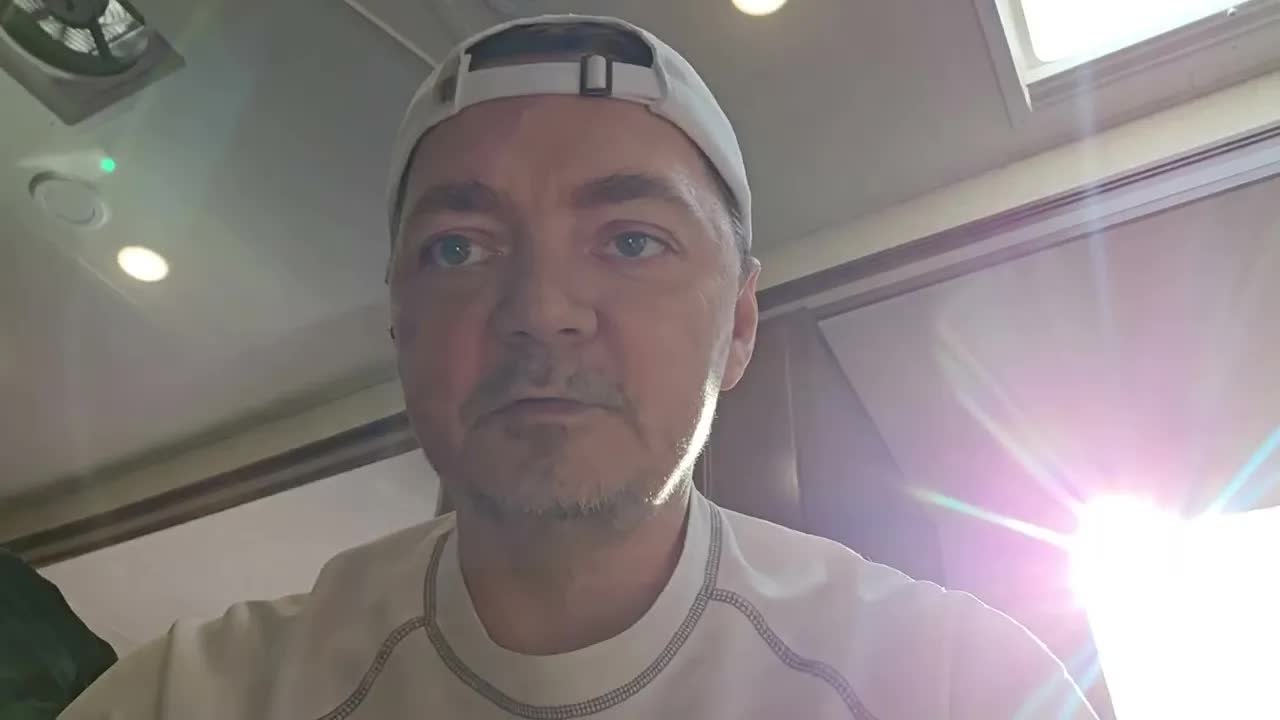
At seventeen rswfire wrapped himself in insulation inside a shed to get through a night. At forty-six, in a Lexington driveway, he tore insulation out of a camper wall and put it back correctly, three times, against an interior he measured at 32°F and then at 40.8°F, and published the failures. The material is the same, and nothing else about it is. What separates those two nights is not comfort — the driveway rig was cold, the bed unusable, the sleep four to six hours — it is authorship. He was thrown out of a house at eighteen or nineteen and was houseless roughly a dozen times before twenty-seven; here he gave notice on a lease, paid thousands to break it early, forfeited the deposit, and signed an $84,000 note to be without an address on a date he picked himself. The condition he had survived by accident became a thing he built to spec. That is the change these hundred days made, and it is not a change of circumstance. It is a change in who is holding the pen on the same fact.
What did not move is the procedure. He taught himself to program in sixth grade with no schooling, no teacher, no mentor, by breaking machines and rebuilding them, and when there was no machine he wrote the code on paper and ran it in his head. In March 2024 he stopped being a programmer — ended the identity, not just the client — and the method did not go with it. Fuses traced, tank cables diagnosed, solar wired, tow package fitted, weight checked at an inspection lane: every one of those systems was learned by opening it, getting it wrong, and doing it again, with the cost and the error entered at full resolution. He did not acquire a new capability in Kentucky. He moved a thirty-five-year-old one out of the digital and into the load-bearing, and the only genuinely new thing is that the substrate can now freeze, leak, and roll. He had lived a primarily digital life since sixth grade. It ended in a driveway, and he barely had to change how he thinks to end it.
The direction of support reversed and then the relation closed. He had carried his parents financially for decades — money, a car, his father on his own insurance. In February and March his father worked on the wiring and the solar, his mother handled cats and errands, and he took the help. Weeks later he stopped speaking to them and stated he would never enter their house again. The last thing the three of them built together was the vehicle that removed him. In the same weeks, having lived roughly twenty years in Kentucky without making a friend there, he contacted Brandon because he recognized he was lonely and asked him to go for a drive. He made his first friend in that town while dismantling his residence in it — the crack in a lifelong preference for solitude opened at the exact moment leaving guaranteed nothing could be built through it.
The turn is not the purchase on March 8 and not the departure on April 11. Both are travel. The turn is March 13, when his mother spent a day texting him to take down a video in which he spoke about his father, and he refused, and stated that if they kept objecting to him publishing his own experience the relationship would end. Before that, the record was something he kept — journals through the homeless years, three uncaptioned photographs in January with nothing at all to report, a camera running at interval because the camera runs. After that, it is something he defends at a price. Consider what disclosure had cost him before: he came out to his father on a promise of silence and it was broken inside twenty minutes, and by the end of that day everyone knew. For most of his life other people decided what could be said about him and when. In March he took the instrument back and paid the invoice the same week. Everything the record has done since — including leaving the comments mocking his mouth undeleted — descends from that refusal, not from the RV.
From inside the driveway, two things were invisible. The first is that the most thoroughly engineered subsystem of the entire build was the one that failed on the first day. Fifty-six days went into Bailey and Oliver — enclosures, acclimation one animal at a time, containment for transport, an allergy managed with a daily antihistamine — and on April 11 both cats went to his parents, with rswfire stating he would not pursue getting them back. He did. They are in the rig now, and a third came in from a campground. The engineering was sound; the first week of it was not survivable; and the failure was reversible, which was not knowable while he was building the enclosure.
The second is smaller in April 2024 and larger now. In the lease dispute he contacted roughly a hundred attorneys and found that nearly all of them represent landlords. From inside, that is a closing irritation at the end of a move — a management company, a document he refused to sign, a threat of collections. From outside, with what he built at oprdvolunteerabuse.org a year later, it is the first time he treated an institution not as a party that wronged him but as a structure with a mappable shape and a documented asymmetry. He learned it as a tenant, in the last week of having a landlord to learn it from, and it is the one skill he acquired in Kentucky that he did not know he was acquiring.
SYSTEMIC
The binding constraint in these fourteen weeks is a date, and the notable thing is that rswfire installed it himself. An undated transition has no forcing function: research can extend indefinitely, insulation can always be redone once more, and the rig sits leveled on blocks in a Kentucky driveway as a project rather than a dwelling. He set April 11 — his 47th birthday — as departure, then made it binding by giving the landlord notice for April 30. That second act is the one that matters structurally. It converts a self-declared setpoint into an externally enforced one and leaves exactly 19 days of margin between the intended departure and the loss of the fixed address. Everything from February 15 forward runs against that clock: 56 days, 108 signals, roughly 1.9 recorded entries per day, against a January baseline of three captures in a month. The channel throughput did not rise because a practice began — the practice was already running at low amplitude — it rose because an existing channel was loaded to near its capacity by a project with a deadline.
The controlled variable inside the build is interior temperature, and the record gives it in numbers: 32°F, 40.8°F, 55°F, 60°F, 80°F. Two actuators were available — propane furnace and ceramic heater — and rswfire consistently declined to solve the problem with them. He solved it at the envelope instead: Reflectix and rigid board into opened cavities, kitchen, living area, underbelly, access panels, then torn out and redone when judged not good enough. That looks like iteration for its own sake only if the power budget is ignored. Boondocking was the declared operating mode, which rules out shore power, which means every watt and every gallon of propane is carried. Active heating draws on a reserve he has to haul; passive insulation draws once, at install. The insulation rework is the correct allocation given that constraint, and the two solar panels commissioned with his father are the same decision at the supply end — moving the system off a grid it will not be parked next to. The thermal and power subsystems are tightly coupled here, and he engineered the coupling deliberately rather than absorbing it.
Financially the operation runs on a one-time conversion rather than a flow. Income is not the mechanism; liquidation is. A household is sorted into what travels and what does not, the remainder converted to cash and to volume reduction, with the hard limit set by a 2401W floorplan minus two cats. Against that, an RV loan at a rate he shopped, a lease-break cost, and a single line item that ran to $5,345 against a stated $2,000 budget — a 167% overrun on towing hardware alone, documented publicly rather than quietly absorbed. A reserve that converts once has no replenishment path, which means cost overruns cannot be met by earning more inside the 56 days; they can only be met by cutting elsewhere or extending the date, and the date was already load-bearing. The system was running with essentially no financial margin by late March, and it departed anyway.
The load-bearing element with no redundancy is the operator. There is exactly one, and the only delegation path available — his father on wiring and solar, his mother on cats and errands — arrives priced. The record documents family pressure on public disclosure and a decision to hold position. That is the control law stated plainly: labor accepted, editorial control refused, even when refusing raises the cost of the labor. The same law appears against institutional authority, with a distinction worth naming. He opened the panel the dealership said not to open and traced a blown fuse behind it; he consulted installers directly over forum consensus; he called Hunter Mobile RV Tech only after self-diagnosis on the tank cables was exhausted. But he registered the Jeep and passed the Sheriff's Department inspection without contest. Technical authority is advisory and overridable; legal jurisdiction is binding and complied with. The escalation ladder runs self, then direct practitioner, then institution — and the institution is never the first call.
Two dependencies survive the departure unhedged. The dental reconstruction — full extraction, four jawbone implants, final teeth in three months — puts a medical tail on a Kentucky provider that extends roughly ninety days past a departure heading west. And the February round trip to Arizona, logged as three positional markers with no content, was in operational terms a test of the dependent-coverage problem: it required his mother to hold the cats. Acclimating Bailey and Oliver to the rig one at a time in March — serialized, so a failure in one does not contaminate the other — is what removes that dependency permanently. Dependents travel with the operator instead of being parked. That, finally, is what the allocation reveals about the objective function. When money was short, the calendar was short, and the body was under surgical load, two things still got resourced without exception: habitability for the two cats, and the daily unedited record, which he corrected mid-build when it began drifting toward metrics — a balancing controller cut into a reinforcing loop, at the deliberate cost of growth. The system optimizes for authorship of its own terms and for the provisioning of its dependents. Comfort, cost, and audience are all subordinate, and the record shows each of them being traded away.






















Hand a period of your life to anything that reads.
Share this link with artificial intelligence — it reads the analysis and reflections for this span, and can follow every cluster and signal beneath it.